
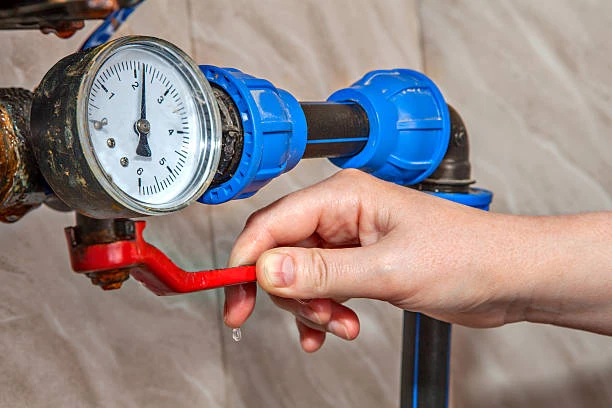
A well-designed irrigation system depends on more than just sprinklers and timers. One of the most essential yet overlooked components is the valve. These small devices regulate the flow of water across different zones, helping deliver just the right amount of water where it’s needed. Whether you’re setting up a backyard drip system or managing a commercial farm, choosing the right valves for irrigation systems can save water, improve efficiency, and reduce long-term maintenance.
In this article, we’ll break down the most common types of irrigation valves, explain how they work, and help you decide which ones are best for your system.
Why Valves Matter in Irrigation
Irrigation valves act as gatekeepers in your system. They open and close to control the flow of water to specific zones. This makes it possible to automate watering schedules and tailor water delivery to the needs of each plant or crop type.
Without reliable valves, even the most advanced irrigation controller won’t function properly. Poor valve performance leads to leaks, uneven watering, and high utility bills.
Manual vs. Automatic Valves
Before choosing a valve, consider whether you want to operate it manually or automatically.
Manual Valves
These valves are opened and closed by hand. They’re simple and inexpensive, making them ideal for small gardens or temporary systems. However, they require someone to be present to operate them.
Automatic Valves
These valves connect to a timer or irrigation controller. They open and close on a schedule, which saves time and ensures consistent watering. Most automatic systems use electric solenoid valves for this purpose
Top Valve Types for Irrigation Systems
Now let’s explore the most common valves used in residential and commercial irrigation.
1. Solenoid Valves
Best for: Automated irrigation systems
How they work: These valves use an electric current to open or close the flow of water. They’re often controlled by an irrigation timer or controller.
Why choose them: Solenoid valves are reliable, efficient, and widely compatible with modern smart irrigation systems.
Key features:
- Easy integration with controllers
- Fast opening and closing
- Commonly made of durable plastic or brass
2. Ball Valves
Best for: Manual shut-off points
How they work: Inside the valve, a rotating ball with a hole allows water to flow when aligned. Turning the handle 90 degrees stops the flow instantly.
Why choose them: Ball valves are simple, long-lasting, and perfect for isolation zones or system maintenance.
Key features:
- Full-flow opening for high water pressure
- Minimal internal wear
- Works well with PVC or PEX piping
3. Gate Valves
Best for: Low-pressure or rarely used lines
How they work: A metal gate lowers into the path of the water to stop the flow. Opening the valve raises the gate back up.
Why choose them: While not as fast or precise as ball valves, gate valves are great for simple on-off control over large water volumes.
Key features:
- Inexpensive
- Available in large sizes
- Not ideal for frequent operation
4. Globe Valves
Best for: Pressure regulation in precise zones
How they work: Water moves through an internal chamber with a movable plug. This allows for gradual control of flow.
Why choose them: Globe valves are useful when flow needs to be throttled instead of fully opened or closed.
Key features:
- Smooth flow adjustment
- More expensive than other types
- Best in commercial or greenhouse settings
5. Anti-Siphon Valves
Best for: Preventing water backflow into clean water supplies
How they work: These valves are designed to let water flow in one direction only. They include a built-in vacuum breaker.
Why choose them: Many local building codes require anti-siphon valves for irrigation to protect drinking water systems.
Key features:
- Mount above ground level
- Double as shut-off valves
- Essential for residential installations
Choosing the Right Valve Material
Valves are made from a variety of materials. Your choice will depend on the water source, system pressure, and exposure to sunlight or chemicals.
- Plastic (PVC or polypropylene): Lightweight, affordable, and corrosion-resistant. Good for most residential applications.
- Brass: Stronger and more durable than plastic. Ideal for systems with higher pressure or where vandal resistance is needed.
- Stainless Steel: Used in high-end or commercial systems. Resistant to extreme temperatures and chemicals.
Always check for compatibility between the valve and your piping to ensure a leak-free connection.
How to Install an Irrigation Valve
Valve installation may seem technical, but the process is straightforward if you follow a few key steps:
- Turn off the main water supply.
- Mark your zone layout. Know where each valve will connect.
- Cut and clean pipe ends. Ensure no debris enters the system.
- Use correct fittings and adapters. Match thread types and pipe diameters.
- Seal threaded connections with Teflon tape or pipe sealant.
- Test the system before burying pipes or covering the valve box.
If you’re using automatic valves, don’t forget to connect wires to your irrigation controller and double-check voltage compatibility.
Maintenance Tips for Long-Lasting Performance
Regular maintenance extends the life of your irrigation valves and prevents major issues down the line.
- Flush the system once or twice a season to remove debris.
- Inspect valve boxes for signs of leaks or cracks.
- Test solenoids to ensure they’re opening and closing properly.
- Replace worn seals before they start to leak.
- Lubricate handles on manual valves if they begin to stick.
If you live in a cold climate, winterizing your system is also essential. Drain valves or use compressed air to prevent freezing damage.
Troubleshooting Common Valve Issues
Even high-quality valves can run into trouble. Here are quick solutions to frequent problems:
- Valve not opening: Check for power supply or debris blocking the solenoid.
- Leaking valve: Inspect seals and fittings; replace gaskets if needed.
- Water hammer noise: Slow-closing valves or add a pressure regulator.
- Low pressure: Ensure valves are fully open and filters aren’t clogged.
Final Thoughts
The right valve can make or break your irrigation system. Whether you’re watering a small backyard or managing acres of farmland, valves are the silent partners behind every efficient drop of water. Start by understanding your system’s needs—manual or automatic, plastic or brass, simple shut-off or smart integration—and choose a valve that matches your goals.
With proper selection, installation, and care, top-quality irrigation valves will keep your plants healthy, your water usage low, and your system running smoothly for years to come.
IFAN Product International Standard
IFAN designs its piping and valve products to meet a wide range of international standards, ensuring global compatibility and trusted performance. The company strictly follows ISO 15875 and BS EN ISO 15875, which define the requirements for PEX pipes used in hot and cold water systems. IFAN also complies with GB/T 18992, the Chinese national standard, and DIN 16892, the German specification for plastic piping systems, to guarantee regional quality and reliability.
To meet North American requirements, IFAN products are certified under ASTM F877 and ASTM F2788, ensuring safe use in hot and cold water distribution. In the UK, IFAN adheres to the BS 7291 standard, which applies to polybutylene and polyethylene systems in residential and commercial buildings. Additionally, CSA B137 certification confirms IFAN’s compliance with Canadian plumbing standards.
By meeting these rigorous international benchmarks, IFAN delivers high-quality, dependable solutions trusted by professionals worldwide. This comprehensive compliance enhances product safety, boosts customer confidence, and supports IFAN’s strong presence in the global market.
Contact
IFAN is a professional manufacturer with 30 years of experience, dedicated to producing high-quality plastic pipes, fittings, and valves. Our products include brass valves, PPR valves, as well as various pipes and fittings to meet different customer needs. Whether you need plumbing and drainage pipes or valve products. IFAN can provide a diverse range of high-quality, cost-effective products to support your projects. Below is our contact information.
We will reply your email or fax within 24 hours.
You can call us at any time if there is any question on our production.
Pls Mailto:[email protected]







Recent Comments