
Why PEX Pipe is the Best Choice for Floor Heating Systems
If you’ve ever stepped onto a cold tile floor in winter and wished for a cozy, even warmth underfoot, you’re not alone. Floor heating systems—also called radiant heating—have exploded in popularity over the past decade. And when it comes to choosing the right pipe for these systems, PEX (cross-linked polyethylene) has become the gold standard. But why? Let’s break it down like we’re chatting over coffee.
Table of Contents
- What Makes PEX Pipe Special for Floor Heating?
- PEX vs. Traditional Pipes: A Head-to-Head Comparison
- How to Install PEX Pipe for Floor Heating
- Common Mistakes to Avoid When Using PEX for Floor Heating
- Real-World Examples: PEX Pipe in Action
- FAQ
What Makes PEX Pipe Special for Floor Heating?
PEX pipe isn’t just any plastic tubing. It’s engineered to handle extreme temperatures and pressure without cracking or leaking. That’s critical for floor heating systems, which circulate hot water (or sometimes antifreeze) through pipes embedded in concrete, under tile, or beneath wood floors.
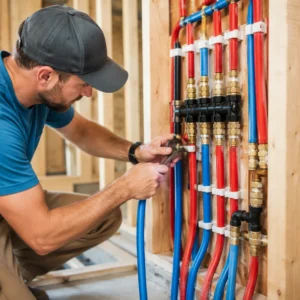
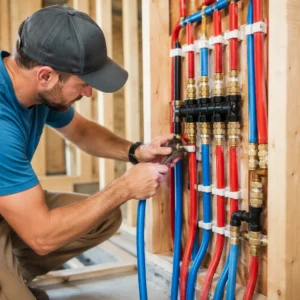
Here’s the thing: PEX is flexible. Unlike rigid copper or PVC pipes, PEX can bend around corners without needing elbow joints. This makes installation faster and reduces the risk of leaks at connection points. (Source: This Old House, 2024)
PEX also resists corrosion and scale buildup, which is a huge plus if you live in an area with hard water. Over time, mineral deposits can clog traditional pipes, but PEX stays clean and efficient. And yes, it’s durable enough to last decades—most manufacturers offer 25- to 50-year warranties.
Why Flexibility Matters
Imagine trying to snake a rigid copper pipe through a narrow crawl space or around a tight corner. It’s a nightmare. PEX’s flexibility lets you route pipes smoothly, even in awkward spaces. This is why contractors love it for retrofits in older homes.
Fair warning: PEX isn’t invincible. Sharp objects or prolonged UV exposure can damage it, but those risks are easy to manage with proper installation and storage.
Temperature Tolerance
Floor heating systems typically operate between 80°F and 120°F (27°C–49°C). PEX handles these temps with ease. It can even withstand brief spikes up to 200°F (93°C) without melting or deforming. (Source: PEX Universe, 2024)
This heat resistance is why PEX is also used for potable water lines in many homes. If it’s safe for drinking water, it’s definitely safe for your floors.
PEX vs. Traditional Pipes: A Head-to-Head Comparison
Let’s compare PEX to copper and PVC—the two most common alternatives for floor heating.
Table: PEX vs. Copper vs. PVC for Floor Heating
| Feature | PEX Pipe | Copper Pipe | PVC Pipe |
|---|---|---|---|
| Flexibility | High | Low | Medium |
| Corrosion Resistance | Excellent | Poor (in acidic water) | Good |
| Cost per Foot | $0.30–$0.80 | $2–$5 | $0.20–$0.50 |
| Installation Speed | Fast | Slow | Medium |
| Lifespan | 25–50 years | 20–50 years | 15–30 years |
| Heat Tolerance | Up to 200°F | Up to 400°F | Up to 140°F |
Copper: The Old Reliable
Copper has been used for plumbing for centuries, and it’s still a solid choice for floor heating. It conducts heat well, so your floors warm up faster. But copper is expensive, heavy, and prone to pinhole leaks if your water is acidic. (Source: HomeAdvisor, 2024)
Installation requires soldering joints, which takes skill and time. And if you live in an area with freezing winters, copper pipes can burst if not properly insulated.
PVC: The Budget Option
PVC is cheap and easy to work with, but it’s not rated for hot water. Most PVC pipes start to soften around 140°F (60°C), which is well below the operating temps of floor heating systems. Using PVC here is a recipe for leaks—or worse, a flooded floor.
How to Install PEX Pipe for Floor Heating
Installing PEX for floor heating isn’t a DIY job for beginners, but understanding the process helps you appreciate why PEX is the best choice.
Step 1: Design the Layout
Start by mapping out where the pipes will go. Most systems use loops spaced 6–12 inches apart, depending on how much heat you need. Use a manifold to distribute hot water evenly to each loop.
Pro tip: Keep loops short (under 300 feet) to maintain consistent water pressure. (Source: Radiant Panel Association, 2024)
Step 2: Secure the PEX
Lay the PEX pipe onto insulation panels or directly onto the subfloor, depending on your system type. Use plastic clips or wire staples to hold the pipe in place. Avoid metal staples—they can puncture the PEX over time.
Step 3: Connect to the Manifold
Use crimp rings or push-fit fittings to connect the PEX loops to the manifold. These connections are leak-proof if done correctly, but always pressure-test the system before covering the pipes with concrete or flooring.
Step 4: Cover and Test
Once the pipes are in place, pour self-leveling concrete (for tile floors) or install underlayment (for wood or laminate). Then fill the system with water and pressurize it to check for leaks.
Common Mistakes to Avoid When Using PEX for Floor Heating
Even pros make mistakes, but here’s how to avoid the big ones:
1. Using the Wrong Type of PEX
PEX comes in three grades: A, B, and C. For floor heating, stick with PEX-A or PEX-B. PEX-C is more brittle and prone to cracking under stress. (Source: PlumbingSupply.com, 2024)
2. Skipping the Pressure Test
Never skip the pressure test. A small leak can turn into a major flood if left undetected. Test the system at 60–80 psi for 24 hours before covering the pipes.
3. Over-Bending the PEX
PEX is flexible, but it has limits. Avoid bending it at a radius tighter than the manufacturer’s recommendation (usually 8–10 times the pipe’s diameter). Sharp bends can kink the pipe and restrict water flow.
4. Exposing PEX to Sunlight
UV rays degrade PEX over time. If you’re storing pipes before installation, keep them indoors or covered with a tarp. During installation, avoid leaving PEX exposed to sunlight for more than a few days.
5. Using the Wrong Fittings
Not all fittings work with PEX. Stick to crimp rings, clamp rings, or push-fit fittings designed for PEX. Avoid using fittings meant for copper or PVC—they won’t seal properly.
Real-World Examples: PEX Pipe in Action
Let’s look at how homeowners and contractors are using PEX for floor heating in different countries.
Example 1: A Canadian Ski Chalet
In Whistler, British Columbia, a contractor installed PEX floor heating in a ski chalet’s bathroom and entryway. The homeowners wanted instant warmth after tracking in snow. PEX’s flexibility let them route pipes around existing plumbing without tearing up walls.
Example 2: A Renovated Victorian in the UK
In London, a family renovating a 19th-century Victorian home used PEX to add floor heating to their kitchen. The original floors were uneven, but PEX’s ability to bend let them install loops without leveling the entire subfloor.
Example 3: A Modern Home in Australia
In Sydney, a builder installed PEX floor heating in a new-build’s master bedroom. The homeowners chose PEX because it’s quieter than forced-air heating and doesn’t circulate dust. They also appreciated the energy savings—radiant heating is 25% more efficient than baseboard heaters. (Source: Australian Government Department of Industry, 2024)
FAQ
How long does PEX pipe last in floor heating systems?
PEX pipe can last 25–50 years in floor heating systems when installed correctly. Its resistance to corrosion and scale buildup helps it outlast copper in many cases.
Can PEX pipe be used for both hot and cold water in floor heating?
Yes, PEX is rated for both hot and cold water. Most floor heating systems use hot water (80°F–120°F), but PEX can handle temperatures up to 200°F for short periods.
Is PEX pipe safe for drinking water?
Absolutely. PEX is certified for potable water use in the US, UK, Canada, and Australia. It doesn’t leach chemicals into water like older plastic pipes did.
Can I install PEX floor heating myself?
While PEX is easier to install than copper, floor heating systems are complex. Hiring a licensed plumber or radiant heating specialist is recommended to avoid leaks or uneven heating.
What’s the cost difference between PEX and copper for floor heating?
PEX costs $0.30–$0.80 per foot, while copper costs $2–$5 per foot. PEX also installs faster, saving on labor costs. Over a whole house, PEX can cut your material bill by 60–70%.
PEX pipe used of floorheating pipe is the clear winner for most homes. Its flexibility, durability, and cost make it a smart choice for even heating and long-term reliability.
Want to talk about PEX pipe used of floorheating pipe? Reach out directly:
📧 Email: [email protected] 📱 WhatsApp: +86 198 5794 8982











Recent Comments