
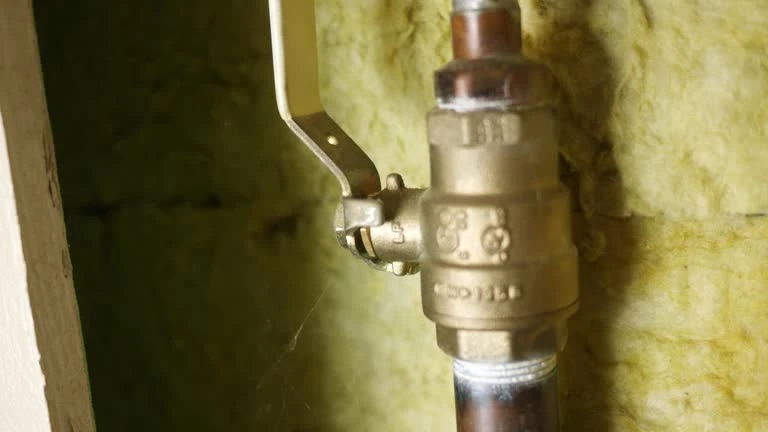
When setting up a reverse osmosis (RO) system, many people focus on the filter or membrane. However, a small yet crucial component often goes unnoticed: the ball valve. Without a reliable shut-off mechanism, your RO system cannot function efficiently or safely. In this article, we’ll explore why ball valves for RO systems are essential, how to choose the right type, and what features to look for to ensure lasting performance.
What Is an RO System and Why Does It Need Valves?
A reverse osmosis system purifies water by forcing it through a semi-permeable membrane. This process removes up to 99% of dissolved salts, bacteria, and impurities. However, controlling the flow of water before and after filtration is critical.
That’s where ball valves for RO systems come into play. They act as control points that manage water direction, pressure, and shut-off. Without them, you risk leaks, contamination, and wasted water.
Why Choose Ball Valves Over Other Types?
Ball valves are known for their simple construction and reliability. Unlike gate or globe valves, which require multiple turns to operate, ball valves open and close with a quick 90-degree turn. This makes them ideal for tight spaces and fast shut-off requirements.
Key Advantages:
- Quick operation: Turn the handle once to fully open or close the valve.
- Minimal pressure loss: The full-bore design allows unrestricted water flow.
- Long lifespan: Fewer moving parts mean fewer failure points.
- Leak-resistant: Ball valves form a tight seal when closed.
These qualities make ball valves the best option for many RO system setups, especially in residential and light commercial environments.
Common Applications of Ball Valves in RO Systems
Ball valves serve multiple functions in a reverse osmosis system. You’ll usually find them at these critical points:
1. Feed Water Line
Installed where tap water enters the system, this valve allows you to shut off the water supply for filter maintenance or repair.
2. Storage Tank Control
Used to regulate flow into and out of the RO water storage tank, this valve helps maintain correct pressure levels.
3. Drain Line
Controls the flow of rejected (waste) water out of the system. A properly placed ball valve ensures efficiency and prevents backflow.
4. Bypass or Flush Lines
Sometimes added for system cleaning or membrane preservation. Ball valves here allow manual flushing without disassembly.
These applications show how ball valves for RO systems support not only functionality but also safety and maintenance ease.
Materials: Brass vs. Plastic Ball Valves
Choosing the right material for your valve depends on the system’s environment and water quality.
Plastic Ball Valves
- Usually made from food-grade polypropylene or acetal
- Lightweight and affordable
- Corrosion-resistant
- Best for indoor residential systems with low to medium pressure
Brass Ball Valves
- Durable and pressure-resistant
- Suitable for systems connected to municipal supplies
- Available in lead-free versions for drinking water use
- Long service life, even under frequent use
For drinking water, always look for lead-free brass certified for potable use. These offer the best combination of safety and durability.
Important Features to Look For
Not all ball valves are created equal. Here are the top features to consider:
1. Quarter-Turn Design
This allows fast shut-off with a simple twist, essential during maintenance or emergencies.
2. Standard Thread Sizes
Most RO systems use 1/4″ or 3/8″ tubing. Ensure your valve matches your tubing or includes adapters.
3. Push-Fit Connections
Ideal for DIY installations, these allow you to connect tubing without tools or tape.
4. Pressure Rating
Choose a valve that can handle at least 125 psi, the typical range for residential systems.
5. NSF Certification
This ensures the valve is safe for use with drinking water and meets performance standards.
When selecting ball valves for RO systems, these small details can make a big difference in ease of use and longevit
How to Install a Ball Valve in an RO System
If you’re installing a valve yourself, follow these basic steps for a safe, leak-free connection:
- Turn off the water supply.
- Release system pressure by opening a faucet or drain line.
- Cut the tubing cleanly using a sharp cutter.
- Insert the tubing into the valve’s push-fit connector or screw it into the threaded port.
- Secure the valve using brackets or clips, if needed.
- Turn the water back on and check for leaks.
Installation typically takes 5 to 10 minutes with basic tools. Push-fit valves are especially beginner-friendly and help avoid threading mistakes.
Maintenance Tips for Long-Term Reliability
Even the best ball valves need occasional care to remain effective.
- Operate the valve regularly to prevent sticking.
- Check for leaks every 6–12 months.
- Replace worn O-rings or seals if you notice drips.
- Avoid over-tightening to prevent cracking plastic bodies or deforming brass threads.
A properly maintained ball valve can last 5 to 10 years or more, depending on water quality and frequency of use.
Troubleshooting Common Issues
Here are some quick solutions for frequent ball valve problems:
- Valve won’t turn: Mineral buildup may have jammed the mechanism. Soak in vinegar or replace it.
- Leak at the connection: Check that tubing is inserted fully or reseal threaded connections with Teflon tape.
- Water flow is restricted: Debris may be blocking the ball opening. Remove the valve and flush it.
- Valve drips when closed: Internal seals may be worn—replace the valve if it’s a low-cost plastic model.
These simple fixes can help restore performance without calling a plumber.
Final Thoughts
Reliable ball valves for RO systems are not just accessories—they’re essential components that ensure your water system runs smoothly, safely, and efficiently. Whether you’re installing a home drinking water system or upgrading an older unit, investing in quality valves will save you time, water, and frustration.
Choose the right material, pay attention to sizing, and don’t overlook certification. With proper installation and regular maintenance, your ball valves will serve your RO system well for years to come.
IFAN Product International Standard
IFAN designs its piping and valve products to meet a wide range of international standards, ensuring global compatibility and trusted performance. The company strictly follows ISO 15875 and BS EN ISO 15875, which define the requirements for PEX pipes used in hot and cold water systems. IFAN also complies with GB/T 18992, the Chinese national standard, and DIN 16892, the German specification for plastic piping systems, to guarantee regional quality and reliability.
To meet North American requirements, IFAN products are certified under ASTM F877 and ASTM F2788, ensuring safe use in hot and cold water distribution. In the UK, IFAN adheres to the BS 7291 standard, which applies to polybutylene and polyethylene systems in residential and commercial buildings. Additionally, CSA B137 certification confirms IFAN’s compliance with Canadian plumbing standards.
By meeting these rigorous international benchmarks, IFAN delivers high-quality, dependable solutions trusted by professionals worldwide. This comprehensive compliance enhances product safety, boosts customer confidence, and supports IFAN’s strong presence in the global market.
Contact
IFAN is a professional manufacturer with 30 years of experience, dedicated to producing high-quality plastic pipes, fittings, and valves. Our products include brass valves, PPR valves, as well as various pipes and fittings to meet different customer needs. Whether you need plumbing and drainage pipes or valve products. IFAN can provide a diverse range of high-quality, cost-effective products to support your projects. Below is our contact information.
We will reply your email or fax within 24 hours.
You can call us at any time if there is any question on our production.
Pls Mailto:[email protected]






Recent Comments