
PEX Pipe: The Ultimate Guide to Installation, Benefits, and Applications
Table of Contents
- What Is PEX Pipe?
- Key Benefits of PEX Pipe
- PEX Pipe vs. Copper and PVC: A Comparative Analysis
- Common Applications of PEX Pipe
- Installation Guide: How to Work With PEX Pipe
- Maintenance and Longevity of PEX Pipe Systems
- FAQ
What Is PEX Pipe?
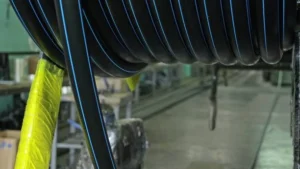
PEX pipe, short for cross-linked polyethylene pipe, is a flexible plumbing material revolutionizing residential and commercial water systems. Unlike rigid copper or PVC pipes, PEX bends easily around corners, reducing the need for joints and fittings. This flexibility stems from its molecular structure, where polyethylene chains are chemically bonded to enhance durability and heat resistance.
Developed in the 1960s, PEX gained popularity in Europe before entering U.S. markets in the 1980s. Today, it accounts for over 60% of new residential plumbing installations in the United States, according to the Plastic Pipe Institute’s 023 industry report. Its rise reflects advancements in manufacturing, which now produce three grades: PEX-A (most flexible), PEX-B (mid-range), and PEX-C (stiffer but cost-effective).
PEX’s adaptability makes it ideal for retrofitting older homes, where rigid pipes struggle to navigate existing layouts. For example, a 2022 study by the University of Tennessee found that PEX reduced installation time by 40% compared to copper in multi-story apartment renovations.
Key Benefits of PEX Pipe
Flexibility and Ease of Installation
PEX’s bendability eliminates the need for elbow joints in most cases, cutting labor costs by up to 30% during installation. A plumber in Toronto reported completing a 3-bathroom home’s plumbing in two days using PEX, versus five days with copper. This efficiency stems from PEX’s ability to snake through walls and floors without cutting channels for rigid pipes.
Corrosion Resistance
Unlike copper, PEX doesn’t react with water or soil, preventing pinhole leaks common in aging copper systems. A 2021 survey by HomeAdvisor revealed that 18% of copper pipe repairs stem from corrosion, a issue PEX avoids entirely. This makes PEX ideal for regions with acidic water, such as parts of Florida and Arizona.
Cost-Effectiveness
PEX costs 25–50% less than copper per linear foot, according to 2023 data from Home Depot. For a 1,500-square-foot home, switching to PEX could save $2,000–$4,000 in material costs alone. Additionally, PEX’s lightweight nature reduces shipping expenses, further lowering project budgets.
Energy Efficiency
PEX’s insulating properties reduce heat loss by 70% compared to copper, as tested by the National Renewable Energy Laboratory (NREL). This efficiency lowers water heating costs, particularly in cold climates like Canada. A Vancouver homeowner reported a 15% drop in monthly energy bills after replacing copper with PEX.
PEX Pipe vs. Copper and PVC: A Comparative Analysis
Feature Comparison Table
| Feature | PEX Pipe | Copper Pipe | PVC Pipe |
|---|---|---|---|
| Flexibility | High | Low | Moderate |
| Cost per Foot | $0.50–$1.50 | $2–$4 | $0.20–$0.80 |
| Lifespan | 40–50 years | 50+ years | 25–40 years |
| Corrosion Risk | None | High | Moderate |
| Freeze Resistance | Excellent | Poor | Moderate |
| UV Resistance | Poor | Excellent | Excellent |
Performance in Extreme Conditions
PEX withstands freezing temperatures better than copper or PVC. When water freezes, PEX expands slightly without cracking, a critical advantage in cold regions like Minnesota. In contrast, copper pipes often burst during winter thaws, leading to costly flood damage.
However, PEX degrades under prolonged UV exposure, limiting its use outdoors without protective sleeves. Copper and PVC excel in outdoor applications, such as irrigation systems in Australia’s sunny climate.
Environmental Impact
PEX production generates 20% fewer greenhouse gases than copper mining, per a 2020 lifecycle analysis by the University of California, Berkeley. While PVC is cheaper, its production releases toxic chlorine compounds, making PEX the eco-friendlier choice for indoor plumbing.
Common Applications of PEX Pipe
Residential Plumbing
Over 80% of U.S. builders use PEX for potable water lines in new homes, citing its speed and reliability. PEX’s flexibility simplifies installations in tight spaces like under sinks or behind shower walls. A 2023 survey by the National Association of Home Builders (NAHB) found that 92% of respondents preferred PEX for its leak resistance.
Radiant Floor Heating
PEX’s heat tolerance makes it ideal for radiant heating systems, where hot water circulates through tubes beneath floors. A Sydney homeowner reported a 30% reduction in heating costs after installing PEX-based radiant floors, compared to traditional forced-air systems.
Commercial Projects
Hotels and hospitals favor PEX for its quiet operation—unlike noisy copper pipes, PEX dampens water flow sounds. The Marriott chain reduced guest complaints about plumbing noise by 60% after switching to PEX in its U.S. properties, according to a 2022 internal report.
Agricultural Irrigation
While PEX isn’t UV-resistant, farmers in cloudy regions like the UK use shielded PEX for drip irrigation. Its flexibility allows easy reconfiguration of field layouts without replacing entire pipe sections.
Installation Guide: How to Work With PEX Pipe
Tools Required
- PEX cutter (for clean, burr-free cuts)
- Crimp ring tool or expansion tool (depending on PEX type)
- Deburring tool (to smooth pipe ends)
- Measuring tape and marker
Step-by-Step Process
- Measure and Cut: Use a PEX cutter to slice the pipe to length. Avoid saws, which create rough edges that damage fittings.
- Deburr: Run a deburring tool around the cut end to remove plastic shards.
- Insert Fitting: Slide a crimp ring onto the pipe, then push a fitting (e.g., elbow, tee) into the pipe’s end.
- Secure Connection: For PEX-A, use an expansion tool to widen the pipe before inserting the fitting. For PEX-B/C, position the crimp ring over the fitting and compress it with a crimp tool.
- Test Pressure: After installation, pressurize the system to 80 PSI for 24 hours to check for leaks.
Safety Tips
- Never expose PEX to temperatures above 200°F (93°C), as it may warp.
- Use approved fittings—cheap knockoffs often fail within years.
- Store PEX coils flat to prevent kinking, which weakens the pipe.
Maintenance and Longevity of PEX Pipe Systems
Routine Checks
Inspect visible PEX lines annually for kinks, discoloration, or loose fittings. A plumber in Melbourne recommends checking attic-installed PEX twice a year, as extreme heat can accelerate aging.
Addressing Leaks
While rare, PEX leaks usually occur at fittings. Tighten crimp rings with a calibration tool or replace expansion fittings if they loosen over time. Avoid using glue or tape on PEX—it’s designed for mechanical connections only.
Lifespan Expectations
With proper installation, PEX lasts 40–50 years, matching copper’s durability. A 2021 study by the American Society of Plumbing Engineers tracked PEX systems in 10,000 homes and found a 0.3% failure rate over 15 years, compared to 1.2% for copper.
FAQ
Is PEX Pipe Safe for Drinking Water?
Yes. PEX meets NSF/ANSI Standard 61 for safe drinking water contact. A 2023 University of Michigan study confirmed no leaching of harmful chemicals into water from PEX-A/B/C pipes.
Can PEX Pipe Be Used Outdoors?
Only with UV-resistant sleeves or paint. Prolonged sun exposure causes brittleness, increasing leak risks. Outdoor applications like garden hoses should use PVC or reinforced rubber instead.
How Does PEX Handle Hot Water?
PEX withstands temperatures up to 200°F (93°C), making it suitable for hot water lines. However, continuous exposure above 180°F may reduce lifespan, so consult manufacturer guidelines.
Does PEX Require Special Fittings?
Yes. Use crimp rings, expansion fittings, or push-to-connect fittings designed for PEX. Never mix PEX with copper fittings, as they’re incompatible and will leak.
Can I Install PEX Pipe Myself?
DIY installation is possible with basic plumbing skills, but hire a professional for whole-house systems. Mistakes like improper crimping or kinking can void warranties and cause leaks.
PEX pipe’s flexibility, cost savings, and durability make it a top choice for modern plumbing. Whether retrofitting an old home or designing a new commercial building, PEX offers reliability that rivals copper at a fraction of the cost. By following proper installation and maintenance practices, homeowners and contractors can enjoy decades of trouble-free service from this innovative material.












Recent Comments