
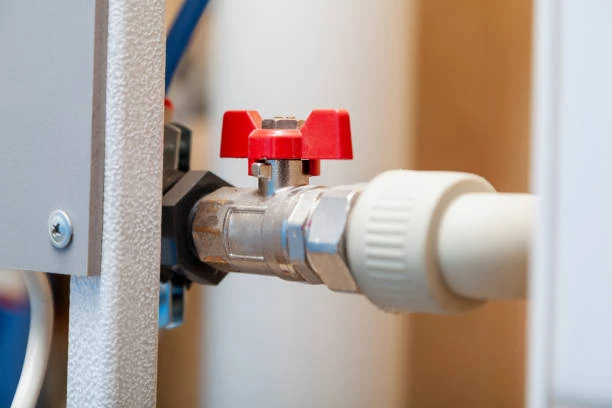
Water treatment systems rely on reliable components to ensure safe, clean, and efficient water flow. One of the most critical parts of any such system is the brass ball valves. This small device plays a major role in controlling water pressure, isolating flow, and ensuring long-term durability.
Whether you’re upgrading a filtration unit, managing a commercial system, or maintaining household plumbing, choosing the right valve is essential. In this article, we’ll explore why brass ball valves stand out, what features to look for, and which options work best in different water treatment settings.
What Is a Brass Ball Valve?
A brass ball valve is a shut-off valve that uses a hollow, pivoting ball to control the flow of water. When the handle turns the ball 90 degrees, the opening aligns with the flow, allowing water to pass through. When turned back, it blocks the flow entirely.
These valves are known for:
- Fast shut-off ability
- Long-lasting performance
- Simple operation
- Resistance to corrosion and high pressure
Unlike plastic or iron alternatives, brass offers a stronger, more reliable construction that handles temperature shifts and mechanical stress with ease.
Why Brass Is the Preferred Material
Brass, an alloy of copper and zinc, is widely used in plumbing and water systems. It resists rust and corrosion better than iron, and it’s more durable than plastic.
Lead-free brass versions are approved for potable water systems, meaning they’re safe for drinking water. Moreover, brass is easy to machine, which allows manufacturers to produce precise, high-quality valves for tight installations.
Key Advantages of Brass Ball Valves:
- Durability: Brass handles daily wear and harsh conditions.
- Corrosion Resistance: Essential for long-term exposure to water and treatment chemicals.
- Pressure Tolerance: Suitable for both low and high-pressure systems.
- Compatibility: Connects easily with copper, PEX, PVC, and steel pipes.
Because of these qualities, brass valves are commonly found in professional-grade water systems, from basic home filters to large-scale municipal setups.
Where Are Brass Ball Valves Used in Water Treatment?
You’ll find brass ball valves in nearly every stage of water treatment. They’re often installed:
- Before and after filtration units
- In reverse osmosis systems
- At pressure control junctions
- For isolating tanks, softeners, and pumps
In each of these positions, their purpose is simple—control the water without leaks or delay. When a system needs to be serviced or adjusted, these valves offer fast shut-off, keeping water where it’s supposed to be.
Features That Make a Brass Ball Valve the Best
Not all brass ball valves are equal. If you want a valve that will last and perform reliably, look for these key features:
1. Full Port Design
A full port valve allows water to flow without restriction. This is crucial in water treatment systems where maintaining pressure and flow rate matters. It also reduces wear on connected equipment.
2. Lead-Free Certification
If the valve is used for drinking water, make sure it’s certified lead-free. Many regions have regulations requiring brass fittings to meet strict safety standards. Look for NSF or equivalent certifications.
3. Corrosion-Resistant Coatings
Some brass valves include nickel-plated or chrome finishes that add extra protection. These are ideal in systems with aggressive chemicals or fluctuating temperatures.
4. Reinforced Handles
Steel or aluminum handles with rubber grips make valves easier to operate, even when wet. A sturdy handle also prevents breakage from frequent use.
5. Reliable Seals
High-quality PTFE or Teflon seals ensure a tight closure. This avoids leaks and reduces maintenance needs over time.
How to Choose the Right Valve for Your System
Start by identifying the pipe type and size. Most brass valves are available in a range of standard diameters and connection types (threaded, soldered, compression, or push-fit).
Then, consider:
- Water pressure: Higher pressure systems need valves rated to withstand it.
- Water quality: Treated water with chemicals may require plated or treated brass.
- Access and operation: Make sure the handle is easy to reach and use.
It’s also helpful to think long-term. Spending a bit more on a high-quality valve today can save you money on repairs or replacements later.
Installation Tips for Non-Experts
Even if you’re not a plumber, understanding how to handle your brass ball valve is important.
- Turn off the main water supply before installation.
- Check the direction of flow, usually marked with an arrow on the valve body.
- Use proper sealing tape or thread sealant to avoid leaks in threaded connections.
- Avoid over-tightening, which can damage both the valve and connected pipes.
- Test the valve after installation by slowly opening the supply line and checking for leaks.
If you’re unsure about the process, it’s always best to consult a professional installer. A poorly fitted valve can cause more problems than it solves.
Maintenance and Longevity
One reason brass ball valves are so popular is that they require very little maintenance. Still, some basic care will extend their life even more.
- Open and close the valve periodically to prevent stiffness.
- Inspect for signs of corrosion, especially in outdoor or humid environments.
- Replace worn seals if you notice dripping or reduced shut-off performance.
Properly maintained, a brass ball valve can last 10 to 20 years—or even longer.
Common Mistakes to Avoid
Even with a high-quality valve, mistakes in selection or installation can lead to poor performance. Avoid the following:
- Using non-lead-free brass in drinking water lines
- Choosing undersized valves, which restrict water flow
- Skipping certification checks for safety and compatibility
- Ignoring compatibility with pipe materials (e.g., mixing metals without dielectric unions)
Taking the time to select the correct brass valve ensures a trouble-free water treatment system.
Conclusion: Choose Smart for Clean, Reliable Water
Brass ball valves remain one of the best choices for water treatment systems of all sizes. Their strength, reliability, and ease of use make them perfect for controlling flow, isolating components, and ensuring consistent water quality.
When selecting the best brass ball valve for water treatment, always consider material safety, pressure capacity, and long-term durability. With the right product and proper installation, you’ll enjoy a clean, efficient water system for years to come.
IFAN Product International Standard
IFAN designs its piping and valve products to meet a wide range of international standards, ensuring global compatibility and trusted performance. The company strictly follows ISO 15875 and BS EN ISO 15875, which define the requirements for PEX pipes used in hot and cold water systems. IFAN also complies with GB/T 18992, the Chinese national standard, and DIN 16892, the German specification for plastic piping systems, to guarantee regional quality and reliability.
To meet North American requirements, IFAN products are certified under ASTM F877 and ASTM F2788, ensuring safe use in hot and cold water distribution. In the UK, IFAN adheres to the BS 7291 standard, which applies to polybutylene and polyethylene systems in residential and commercial buildings. Additionally, CSA B137 certification confirms IFAN’s compliance with Canadian plumbing standards.
By meeting these rigorous international benchmarks, IFAN delivers high-quality, dependable solutions trusted by professionals worldwide. This comprehensive compliance enhances product safety, boosts customer confidence, and supports IFAN’s strong presence in the global market.
Contact
IFAN is a professional manufacturer with 30 years of experience, dedicated to producing high-quality plastic pipes, fittings, and valves. Our products include brass valves, PPR valves, as well as various pipes and fittings to meet different customer needs. Whether you need plumbing and drainage pipes or valve products. IFAN can provide a diverse range of high-quality, cost-effective products to support your projects. Below is our contact information.
We will reply your email or fax within 24 hours.
You can call us at any time if there is any question on our production.
Pls Mailto:[email protected]








Recent Comments