
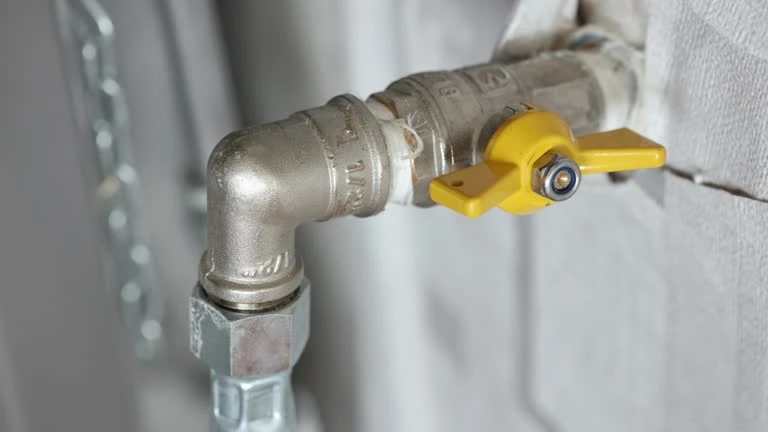
When setting up an irrigation system, one critical decision involves choosing the right valves. Irrigation valves control water flow to different zones, helping manage water use efficiently. Among the many types available, brass and plastic irrigation valves are the most common. Each material has advantages and drawbacks. This article compares brass vs. plastic irrigation valves to help you make the best choice for your system.
Why Irrigation Valves Matter
Irrigation valves are the heart of any automated or manual watering system. They open and close to allow water to reach plants, lawns, or crops at the right time. Without dependable irrigation valves, water might not flow evenly or could leak, leading to wasted water and poor plant health.
Because valves are installed underground or outdoors, they must be strong, durable, and corrosion-resistant. Choosing the wrong type can lead to early failure and unnecessary costs. That’s why comparing brass and plastic valves is essential.
Overview of Brass Irrigation Valves
Brass irrigation valves are made from a copper-zinc alloy that is known for strength and durability. These valves have long been the preferred choice for many professionals and landscapers.
Key Advantages of Brass Valves
- High Strength: Brass is a tough metal that withstands high pressure and physical impact.
- Longevity: Brass irrigation valves can last for many years, even in demanding conditions.
- Temperature Tolerance: They perform well in both hot and cold climates.
- Corrosion Resistance: Brass resists rust better than many other metals.
Because of these qualities, brass irrigation valves are ideal for permanent systems or areas with harsh environmental conditions.
Considerations with Brass Valves
However, brass valves are not perfect. They tend to be more expensive than plastic options. Also, some older brass valves may contain lead, making them unsuitable for potable water systems unless they are lead-free certified. Fortunately, most modern brass irrigation valves are safe for garden use.
Overview of Plastic Irrigation Valves
Plastic irrigation valves are typically made from PVC (polyvinyl chloride) or polypropylene. These materials are widely used in residential and small-scale commercial systems.
Key Advantages of Plastic Valves
- Lightweight: Plastic valves are easy to carry, install, and handle.
- Affordable: They are generally less expensive than brass versions.
- Corrosion-Proof: Plastic does not corrode or react with water or most chemicals.
- UV-Resistant (when rated): Some plastic valves are treated to resist sun damage.
Plastic irrigation valves are suitable for DIY users and areas with lower pressure systems.
Considerations with Plastic Valves
Despite the benefits, plastic valves have some limitations:
- Lower Durability: They can crack under physical stress or extreme pressure.
- Temperature Sensitivity: Plastic may become brittle in freezing weather or soften under high heat.
- Shorter Lifespan: Compared to brass, plastic irrigation valves generally need to be replaced more frequently.
Side-by-Side Comparison
| Feature | Brass Irrigation Valves | Plastic Irrigation Valves |
|---|---|---|
| Strength | High | Moderate |
| Cost | Higher upfront | Lower upfront |
| Durability | Long lifespan | Shorter lifespan |
| Weight | Heavier | Lightweight |
| Installation Ease | Moderate | Easy |
| Corrosion Resistance | Good (non-rusting) | Excellent |
| Pressure Tolerance | Handles high pressure well | Best for low to medium pressure |
| Temperature Range | Wide tolerance | Narrower tolerance |
| Environmental Impact | Recyclable (more complex process) | Easier to recycle or dispose |
This table highlights the most important factors to consider when choosing irrigation valves for your system.
Which One Should You Choose?
The answer depends on your specific needs:
- For Large Gardens or Commercial Systems: Choose brass irrigation valves for long-term reliability.
- For Small Gardens or DIY Projects: Opt for plastic irrigation valves to save money and simplify installation.
- For High-Pressure or Harsh Climates: Brass valves are more resistant to pressure and extreme temperatures.
- For Low-Budget Installations: Plastic valves offer the most cost-effective solution.
Sometimes, a mix of both can work. For example, you might use brass valves for the main control and plastic ones for branch lines.
Tips for Proper Valve Use and Maintenance
No matter which type you choose, proper use and care will extend valve life:
- Install Correctly: Use thread tape or gaskets to prevent leaks.
- Avoid Over-Tightening: This applies especially to plastic valves, which can crack easily.
- Protect from the Elements: Use valve boxes or covers to protect from sun and frost.
- Flush the Lines: Regular flushing prevents debris from damaging the valve mechanism.
- Check Regularly: Inspect for leaks, stiffness, or clogging to catch issues early.
By taking care of your irrigation valves, you can ensure smooth and efficient operation all season long.
Final Thoughts
Choosing between brass and plastic irrigation valves doesn’t have to be difficult. Each type offers specific benefits depending on your system’s size, budget, and environmental conditions. Brass valves provide durability and strength for long-term setups. Plastic valves offer affordability and simplicity for smaller or temporary systems.
By understanding the differences and evaluating your needs, you can make the right choice for your irrigation system—and keep your plants happy and well-watered.
IFAN Product International Standard
IFAN designs its piping and valve products to meet a wide range of international standards, ensuring global compatibility and trusted performance. The company strictly follows ISO 15875 and BS EN ISO 15875, which define the requirements for PEX pipes used in hot and cold water systems. IFAN also complies with GB/T 18992, the Chinese national standard, and DIN 16892, the German specification for plastic piping systems, to guarantee regional quality and reliability.
To meet North American requirements, IFAN products are certified under ASTM F877 and ASTM F2788, ensuring safe use in hot and cold water distribution. In the UK, IFAN adheres to the BS 7291 standard, which applies to polybutylene and polyethylene systems in residential and commercial buildings. Additionally, CSA B137 certification confirms IFAN’s compliance with Canadian plumbing standards.
By meeting these rigorous international benchmarks, IFAN delivers high-quality, dependable solutions trusted by professionals worldwide. This comprehensive compliance enhances product safety, boosts customer confidence, and supports IFAN’s strong presence in the global market.
Contact
IFAN is a professional manufacturer with 30 years of experience, dedicated to producing high-quality plastic pipes, fittings, and valves. Our products include brass valves, PPR valves, as well as various pipes and fittings to meet different customer needs. Whether you need plumbing and drainage pipes or valve products. IFAN can provide a diverse range of high-quality, cost-effective products to support your projects. Below is our contact information.
We will reply your email or fax within 24 hours.
You can call us at any time if there is any question on our production.
Pls Mailto:[email protected]









Recent Comments