
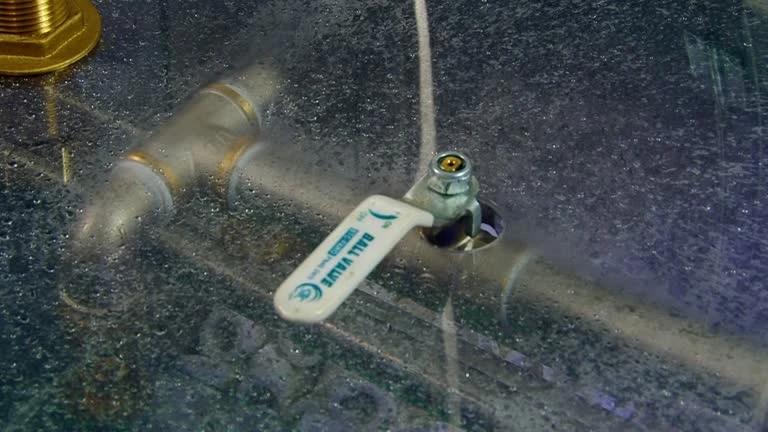
Choosing the right plumbing components is essential for maintaining a safe and healthy water supply. One small but important part of your plumbing system is the valve. More specifically, lead-free valves play a critical role in ensuring clean and safe drinking water in both residential and commercial buildings.
In this article, we’ll explore what lead-free valves are, why they matter, and how they compare to traditional options. If you’re planning a new plumbing project or upgrading an old one, understanding the benefits of lead-free valves can help you make smarter decisions.
What Are Lead-Free Valves?
Lead-free valves are plumbing components designed to contain little or no lead content. In most modern systems, these valves are made from brass, bronze, or other alloys that meet safety regulations. According to current U.S. and international standards, a lead-free valve must not contain more than 0.25% lead by weight in wetted surfaces.
Traditionally, brass valves contained higher levels of lead because lead made the metal easier to machine. However, as awareness of lead’s health risks grew, regulations changed. Today, lead-free valves are required for all systems carrying drinking water.
Health Risks of Lead in Water
Lead exposure is extremely harmful, especially for children and pregnant women. Even small amounts of lead in drinking water can cause:
- Developmental issues in children
- Nervous system damage
- Kidney problems
- High blood pressure
- Behavioral and learning difficulties
Because lead accumulates in the body over time, reducing exposure is essential. One of the most effective ways to do that is by using lead-free valves and other lead-free components in plumbing systems.
Legal Requirements and Compliance
Over the past few decades, many countries have adopted stricter standards for lead in drinking water systems. In the U.S., the Safe Drinking Water Act was amended in 2011 to define “lead-free” as 0.25% or less lead content. The regulation applies to any valve or pipe that comes into contact with water intended for human consumption.
Manufacturers must clearly label lead-free valves, and inspectors often check for compliance during construction or renovation. Using the correct materials is not just safer—it’s also legally required in most jurisdictions.
Benefits of Lead-Free Valves
1. Safe Drinking Water
The most obvious benefit of lead-free valves is improved water safety. These valves reduce the risk of lead leaching into your water supply, protecting the health of everyone in the building.
2. Long-Term Value
Although lead-free valves may be slightly more expensive initially, they offer better long-term value. You’ll reduce the risk of fines, plumbing failures, and health-related costs.
3. Compliance and Peace of Mind
Knowing that your plumbing system meets safety regulations provides peace of mind. Whether you’re a homeowner, contractor, or facility manager, using compliant parts like lead-free valves ensures your system passes inspection.
4. Durability and Performance
Modern lead-free materials are just as durable as traditional ones. Many manufacturers offer lead-free valves with corrosion resistance, high pressure tolerance, and long lifespans.
Types of Lead-Free Valves Available
Lead-free valves come in many types, depending on their function and the type of plumbing system:
- Ball Valves: Used for quick shut-off applications
- Gate Valves: Ideal for controlling flow in larger pipes
- Angle Valves: Often found under sinks and toilets
- Check Valves: Prevent backflow in water systems
- Pressure Relief Valves: Protect systems from overpressure
Each type is available in a lead-free version, suitable for both hot and cold water lines. It’s important to check that the entire plumbing setup—not just the valve—is lead-free for maximum safety.
Common Applications
You can use lead-free valves in a wide range of plumbing scenarios, such as:
- Residential water supply lines
- Commercial kitchen plumbing
- Drinking fountains
- Medical and laboratory water systems
- School and daycare center plumbing
Wherever people may consume water, lead-free valves are recommended—and often required.
How to Identify a Lead-Free Valve
Manufacturers typically mark lead-free valves with labels like:
- “LF” or “Lead-Free”
- NSF/ANSI 61 or NSF 372 certification
- No-lead logos (e.g., a cup with a line through it)
Always read product descriptions carefully, especially if buying online. You can also ask your plumber or supplier to confirm compliance.
Installation and Maintenance Tips
To get the most from your lead-free valves, proper installation and maintenance are key:
- Use certified plumbers who are familiar with local codes
- Inspect regularly for leaks, corrosion, or blockages
- Flush new systems before first use to remove debris
- Avoid over-tightening, which can damage threads
- Replace faulty valves immediately to prevent contamination
Good maintenance habits can extend the life of your plumbing system and ensure continued water quality.
Are There Any Downsides?
Lead-free valves are generally a smart choice. However, some people note a few trade-offs:
- Slightly higher cost: Lead-free brass is more expensive to produce
- Machining complexity: Harder materials may wear down tools faster during manufacturing
- Availability issues: In rare cases, specific valve sizes or types may be out of stock
Still, these concerns are minor compared to the health and legal risks of using leaded valves.
Final Thoughts
Choosing lead-free valves is not just a matter of following regulations—it’s about protecting your health, your property, and your peace of mind. These valves offer the same durability and function as traditional ones but without the dangers of lead contamination.
Whether you’re installing a new plumbing system or upgrading an older one, always opt for lead-free valves. They are a small part of your water system but make a huge difference in safety and compliance.
IFAN Product International Standard
IFAN designs its piping and valve products to meet a wide range of international standards, ensuring global compatibility and trusted performance. The company strictly follows ISO 15875 and BS EN ISO 15875, which define the requirements for PEX pipes used in hot and cold water systems. IFAN also complies with GB/T 18992, the Chinese national standard, and DIN 16892, the German specification for plastic piping systems, to guarantee regional quality and reliability.
To meet North American requirements, IFAN products are certified under ASTM F877 and ASTM F2788, ensuring safe use in hot and cold water distribution. In the UK, IFAN adheres to the BS 7291 standard, which applies to polybutylene and polyethylene systems in residential and commercial buildings. Additionally, CSA B137 certification confirms IFAN’s compliance with Canadian plumbing standards.
By meeting these rigorous international benchmarks, IFAN delivers high-quality, dependable solutions trusted by professionals worldwide. This comprehensive compliance enhances product safety, boosts customer confidence, and supports IFAN’s strong presence in the global market.
Contact
IFAN is a professional manufacturer with 30 years of experience, dedicated to producing high-quality plastic pipes, fittings, and valves. Our products include brass valves, PPR valves, as well as various pipes and fittings to meet different customer needs. Whether you need plumbing and drainage pipes or valve products. IFAN can provide a diverse range of high-quality, cost-effective products to support your projects. Below is our contact information.
We will reply your email or fax within 24 hours.
You can call us at any time if there is any question on our production.
Pls Mailto:[email protected]






Recent Comments