
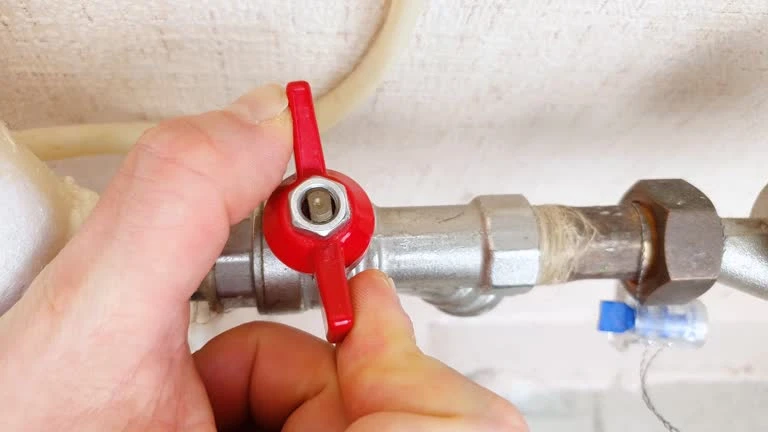
Reverse osmosis (RO) systems are widely used for providing clean, safe, and great-tasting drinking water. To function effectively, every component in the RO system must perform reliably—including the ball valves. Durable ball valves for reverse osmosis use play a critical role in controlling water flow, preventing leaks, and ensuring the system operates smoothly. This article explains why these valves matter, what types are available, and how to choose the right one.
What Is a Reverse Osmosis System?
Before diving into valve options, it’s important to understand the basics of reverse osmosis. RO systems use a semi-permeable membrane to remove impurities from water, such as salts, chemicals, bacteria, and heavy metals. These systems typically include several stages of filtration and require high water pressure to operate effectively.
That’s where durable ball valves for reverse osmosis use come in. They help maintain water pressure, allow for manual shutoff when needed, and help isolate parts of the system during maintenance.
Why Choose Durable Ball Valves?
Durable ball valves are essential because they offer:
- Reliable Shutoff: They provide a tight seal to prevent water leaks.
- Easy Operation: A simple quarter-turn handle allows fast control of water flow.
- Long Lifespan: Made from robust materials, they can handle frequent use without failure.
- Resistance to Corrosion: Since RO systems often handle filtered water, corrosion resistance is key.
Using durable ball valves for reverse osmosis use means fewer repairs, better water quality, and more efficient system performance.
Common Types of Ball Valves in RO Systems
There are several types of ball valves suited for reverse osmosis setups. Each offers specific advantages based on system design and user needs.
1. Plastic Ball Valves
Plastic valves are lightweight, cost-effective, and safe for potable water. Common materials include:
- Polypropylene (PP)
- Acetal
- PVC
These valves often feature quick-connect ends, making them easy to install in home RO systems.
2. Brass Ball Valves
Durable brass ball valves for reverse osmosis use are ideal for higher-pressure applications. When they are lead-free, they are safe for drinking water. These valves are known for their long lifespan and excellent sealing.
3. Stainless Steel Ball Valves
Stainless steel offers superior durability, making these valves perfect for commercial or industrial RO systems. They resist both corrosion and high pressure, though they tend to be more expensive.
Key Features to Look For
When selecting a durable ball valve for your RO system, keep these important features in mind:
- Lead-Free Certification: If used for drinking water, the valve must be lead-free and certified for potable use.
- Corrosion Resistance: Choose materials that resist rust, especially in humid environments.
- High-Quality Seal: A reliable seal prevents leaks and water waste.
- Easy Installation: Quick-connect or threaded fittings simplify installation and replacement.
- Compact Design: RO systems are often installed under sinks, so space-saving designs are a plus.
Durable ball valves for reverse osmosis use must meet these standards to ensure optimal performance.
Installation Tips
Correct installation of ball valves is just as important as the valve itself. Here’s how to do it right:
- Turn Off the Water Supply: Always shut off the main water line before installation.
- Clean the Fittings: Remove debris and ensure the pipe ends are smooth.
- Use Teflon Tape (If Threaded): Apply Teflon tape to threaded connections to prevent leaks.
- Avoid Over-Tightening: Tighten securely but avoid applying too much force, which can crack fittings.
- Test for Leaks: After installation, turn the water back on and check for any signs of leakage.
Proper installation helps ensure the valve performs as expected and lasts longer.
Maintenance and Longevity
To extend the life of your ball valve:
- Operate the Valve Periodically: Turning the handle occasionally prevents it from getting stuck.
- Inspect for Leaks: Small drips may signal wear or improper sealing.
- Clean if Necessary: Mineral deposits can affect performance; clean with vinegar if buildup occurs.
- Replace When Worn: If the valve becomes hard to turn or starts leaking, it’s time for a replacement.
Durable ball valves for reverse osmosis use can last several years with proper care.
When to Replace a Ball Valve
No valve lasts forever. Watch for these signs that your ball valve needs replacing:
- Difficulty turning the handle
- Visible corrosion or cracks
- Persistent leaks even when fully closed
- Reduced water pressure in the system
Replacing a faulty valve restores system performance and prevents water waste or damage.
Conclusion
Durable ball valves for reverse osmosis use are an essential part of any RO water filtration system. They provide easy water flow control, prevent leaks, and contribute to long-term system reliability. Whether made from plastic, brass, or stainless steel, the right valve ensures your RO system continues to deliver clean, safe drinking water. By choosing high-quality materials, installing them correctly, and performing regular maintenance, you’ll enjoy worry-free performance for years to come.
IFAN Product International Standard
IFAN designs its piping and valve products to meet a wide range of international standards, ensuring global compatibility and trusted performance. The company strictly follows ISO 15875 and BS EN ISO 15875, which define the requirements for PEX pipes used in hot and cold water systems. IFAN also complies with GB/T 18992, the Chinese national standard, and DIN 16892, the German specification for plastic piping systems, to guarantee regional quality and reliability.
To meet North American requirements, IFAN products are certified under ASTM F877 and ASTM F2788, ensuring safe use in hot and cold water distribution. In the UK, IFAN adheres to the BS 7291 standard, which applies to polybutylene and polyethylene systems in residential and commercial buildings. Additionally, CSA B137 certification confirms IFAN’s compliance with Canadian plumbing standards.
By meeting these rigorous international benchmarks, IFAN delivers high-quality, dependable solutions trusted by professionals worldwide. This comprehensive compliance enhances product safety, boosts customer confidence, and supports IFAN’s strong presence in the global market.
Contact
IFAN is a professional manufacturer with 30 years of experience, dedicated to producing high-quality plastic pipes, fittings, and valves. Our products include brass valves, PPR valves, as well as various pipes and fittings to meet different customer needs. Whether you need plumbing and drainage pipes or valve products. IFAN can provide a diverse range of high-quality, cost-effective products to support your projects. Below is our contact information.
We will reply your email or fax within 24 hours.
You can call us at any time if there is any question on our production.
Pls Mailto:[email protected]




Recent Comments