
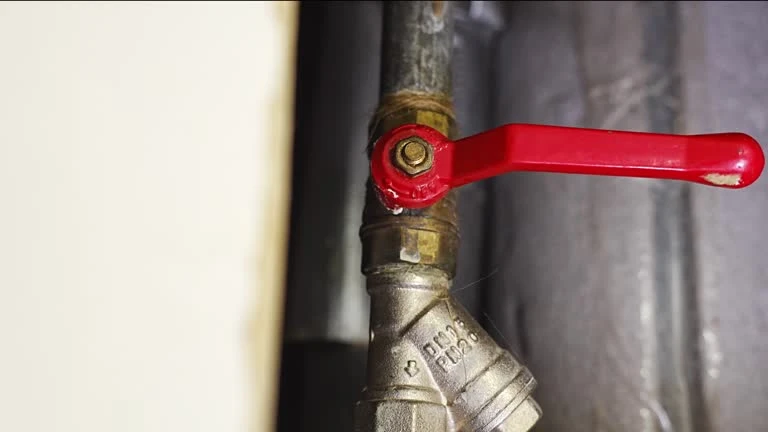
When it comes to potable water systems, safety and reliability are top priorities. One essential component to guarantee these qualities is the valve used in the plumbing network. Lead-free brass valves have become the preferred choice for potable water due to their durability, safety, and compliance with health standards. This article explores why lead-free brass valves are crucial, their benefits, types, and tips for selection and maintenance.
Why Choose Lead-Free Brass Valves for Potable Water?
Traditional brass valves often contain lead, which can leach into water and pose serious health risks. Lead-free brass valves eliminate this concern by using materials with minimal to zero lead content, making them safe for drinking water systems. Many countries now mandate lead-free valves for potable water to comply with health regulations.
In addition to safety, lead-free brass valves offer excellent corrosion resistance, ensuring long service life even in harsh water conditions. They also maintain strong mechanical properties, which means they can handle pressure changes and physical stresses without failing.
Benefits of Lead-Free Brass Valves
Choosing lead-free brass valves for potable water brings several advantages:
- Health Safety: They prevent lead contamination, protecting families and communities.
- Durability: These valves resist corrosion, wear, and high temperatures.
- Reliable Performance: Lead-free brass valves provide tight sealing and smooth operation.
- Compliance: They meet strict standards such as NSF/ANSI 61 for drinking water safety.
- Easy Maintenance: Their design simplifies inspection and repairs.
Because of these benefits, lead-free brass valves are widely used in residential, commercial, and industrial water systems.
Common Types of Lead-Free Brass Valves
Lead-free brass valves come in various designs to fit different plumbing needs. The most common types include:
- Ball Valves: Known for their quick shut-off and easy operation, ball valves provide reliable flow control. They feature a simple quarter-turn handle.
- Gate Valves: These valves open or close gradually, allowing fine control of water flow. They suit larger pipe diameters.
- Check Valves: Designed to prevent backflow, check valves protect potable water from contamination due to reverse flow.
- Globe Valves: Globe valves offer precise flow regulation, useful in systems requiring variable pressure.
Each type serves a particular function, so it is important to choose according to system requirements.
Material and Certification Standards
Lead-free brass valves must comply with material safety standards to guarantee water quality. Common certifications include NSF/ANSI 61, which tests for lead and other contaminants in drinking water components. Choosing valves with these certifications ensures legal compliance and consumer safety.
Besides certification, the physical properties of lead-free brass contribute to valve performance. This material offers excellent machinability and strength, making it ideal for threaded or compression fittings.
How to Select the Right Lead-Free Brass Valve
Selecting the best valve depends on several factors:
- System Pressure: Ensure the valve’s pressure rating matches or exceeds the system’s operating pressure.
- Pipe Size and Connection Type: Match valve dimensions and connection style (threaded, soldered, or compression) with existing plumbing.
- Flow Requirements: Consider whether you need a valve for shut-off, flow regulation, or backflow prevention.
- Operation Convenience: Look for valves with ergonomic handles for easy manual operation.
- Longevity Needs: Select valves designed for durability, especially in systems with fluctuating pressures or harsh water conditions.
Proper selection helps avoid premature failures and costly replacements.
Installation and Maintenance Tips
Correct installation and regular maintenance keep lead-free brass valves functioning optimally:
- Follow Manufacturer Instructions: Proper tightening and sealing ensure leak-free joints.
- Use Appropriate Tools: Avoid over-tightening, which can damage valve threads.
- Periodic Inspections: Check for signs of corrosion, leaks, or stiffness.
- Operate Valves Regularly: This prevents valves from seizing due to mineral deposits or inactivity.
- Replace When Needed: If a valve shows wear or leaks, timely replacement maintains system safety.
Routine care extends valve life and secures water quality.
Conclusion
Lead-free brass valves for potable water systems provide a safe, durable, and reliable solution for water flow control. Their health safety benefits, combined with excellent mechanical properties and compliance with strict standards, make them indispensable in modern plumbing. By choosing the right valve type and maintaining it properly, homeowners and professionals can ensure a clean and efficient water supply.
IFAN Product International Standard
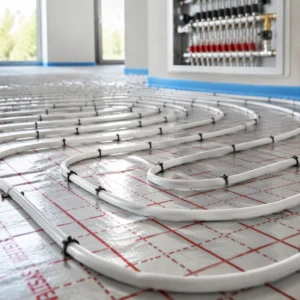
IFAN designs its piping and valve products to meet a wide range of international standards, ensuring global compatibility and trusted performance. The company strictly follows ISO 15875 and BS EN ISO 15875, which define the requirements for PEX pipes used in hot and cold water systems. IFAN also complies with GB/T 18992, the Chinese national standard, and DIN 16892, the German specification for plastic piping systems, to guarantee regional quality and reliability.
To meet North American requirements, IFAN products are certified under ASTM F877 and ASTM F2788, ensuring safe use in hot and cold water distribution. In the UK, IFAN adheres to the BS 7291 standard, which applies to polybutylene and polyethylene systems in residential and commercial buildings. Additionally, CSA B137 certification confirms IFAN’s compliance with Canadian plumbing standards.
By meeting these rigorous international benchmarks, IFAN delivers high-quality, dependable solutions trusted by professionals worldwide. This comprehensive compliance enhances product safety, boosts customer confidence, and supports IFAN’s strong presence in the global market.
Contact
IFAN is a professional manufacturer with 30 years of experience, dedicated to producing high-quality plastic pipes, fittings, and valves. Our products include brass valves, PPR valves, as well as various pipes and fittings to meet different customer needs. Whether you need plumbing and drainage pipes or valve products. IFAN can provide a diverse range of high-quality, cost-effective products to support your projects. Below is our contact information.
We will reply your email or fax within 24 hours.
You can call us at any time if there is any question on our production.
Pls Mailto:[email protected]








Recent Comments