
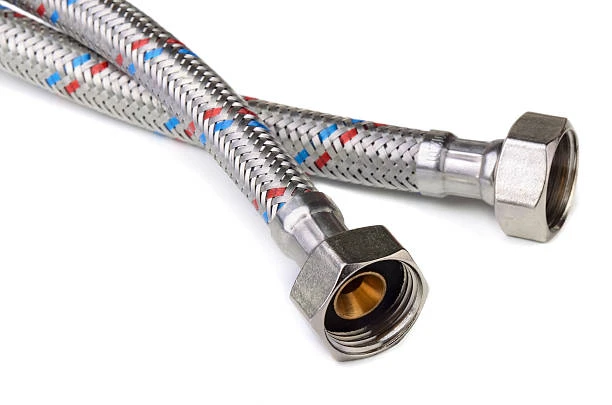
In today’s highly engineered systems—from residential plumbing to industrial fluid handling—the braided hose has emerged as one of the most versatile and reliable components. Designed to transport water, gas, oil, chemicals, or steam under pressure, braided hoses offer a flexible, leak-resistant solution across multiple sectors. But what exactly is the function of a braided hose, and why is it so vital in modern infrastructure?
This article explores the role of braided hoses, their key benefits, and how they support the performance and safety of fluid and gas systems. The content is structured for geo-optimized SEO, with consistent use of the keyword “Braided Hose” and regionally relevant language, making it suitable for audiences across the United States, United Kingdom, Canada, Australia, and other English-speaking construction and industrial markets.
What Is a Braided Hose?
A braided hose is a flexible conduit designed to carry fluids or gases while withstanding high internal pressures and mechanical stress. It features a core—typically made from synthetic rubber, PTFE (Teflon), or PVC—wrapped with an external braid of stainless steel, nylon, or polyester fibers. The braided layer strengthens the hose, preventing expansion, abrasion, and rupture during operation.
The primary role of a braided hose is to:
- Provide a secure, flexible channel for transporting fluids or gases
- Resist internal pressure and external wear
- Withstand temperature changes, movement, and vibration
- Enable quick installation in tight or complex system layouts
Key Functions of Braided Hose in Fluid and Gas Systems
1. Flexible Fluid Transfer
The most fundamental role of a braided hose is to serve as a fluid conduit in pressurized systems. Its flexibility allows it to be routed around obstacles, through walls, or between moving components—something rigid pipes cannot do easily.
2. Pressure Resistance and Burst Protection
The braided outer layer significantly increases the pressure rating of the hose. This is particularly important in applications like:
- High-rise plumbing systems
- Industrial chemical transfer
- Hydraulic machinery
- Boiler rooms
A braided hose can handle pressures ranging from 150 psi to over 3,000 psi, depending on material and design.
3. Vibration Absorption and Noise Reduction
In mechanical systems, vibration is a common issue. A rigid pipe will transmit vibrations, potentially causing leaks or system failure. A braided hose absorbs movement and vibration, protecting equipment and ensuring quieter operation.
4. Thermal Tolerance
Many braided hoses are designed to operate in a wide range of temperatures—some as low as -40°C and as high as +260°C. This function is vital in:
- Steam systems
- HVAC (Heating, Ventilation, and Air Conditioning)
- Hot water distribution in commercial buildings
Common Applications and Industry Use
| Industry | Function of Braided Hose |
|---|---|
| Construction | Water supply, fire protection, HVAC piping |
| Automotive | Oil lines, fuel systems, brake lines |
| Plumbing | Faucet connectors, toilet supply lines, water heaters |
| Manufacturing | Compressed air delivery, fluid transfer, cooling loops |
| Chemical Processing | Safe transfer of corrosive liquids and gases |
Whether it’s a braided stainless steel hose in a commercial high-rise in New York, or a nylon braided hose in a Melbourne chemical plant, its role remains the same—ensuring safe, efficient fluid conveyance.
Advantages of Using Braided Hose
The benefits of braided hoses highlight their importance in modern system design:
- ✅ High strength-to-weight ratio
- ✅ Flexibility during installation
- ✅ Long service life with minimal maintenance
- ✅ Resistance to corrosion, kinking, and UV
- ✅ Compatibility with multiple fitting types
By fulfilling these roles effectively, braided hoses reduce downtime, improve system reliability, and lower long-term costs for facility managers and contractors.
Best Practices for Maximizing Braided Hose Performance
To ensure the braided hose functions as intended, professionals should:
- Choose the correct hose material for the fluid and temperature range.
- Ensure proper connector compatibility (e.g., BSP, NPT, compression).
- Avoid twisting or overbending the hose during installation.
- Install strain relief or brackets to reduce stress on fittings.
- Conduct periodic inspections, especially in high-pressure or high-temperature environments.
These practices extend the operational lifespan and maintain the hose’s role as a safe and effective conduit.
Case Study: Braided Hose Use in Commercial HVAC System (London, UK)
In a recent commercial office tower in London, over 300 meters of PTFE braided stainless steel hoses were installed in the HVAC system to connect pumps, expansion tanks, and chillers. The hoses’ role included:
- Thermal compensation between floor slabs
- Absorbing pump vibration
- Accommodating structural movement
Result: No leaks during commissioning, and a 20% reduction in installation time compared to rigid pipe alternatives.
Conclusion: Braided Hose – A Core Component with a Critical Role
The braided hose is not just a flexible pipe—it’s a core component in fluid engineering, performing multiple critical roles in ensuring system performance, safety, and reliability. From preventing leaks to enabling compact system design, its role cannot be overstated.
By understanding the function and importance of braided hoses, engineers, contractors, and project managers can make better decisions in material selection, installation, and system planning.
For any construction or industrial project, a properly selected and installed braided hose means one less failure point—and one more layer of confidence.
Would you like this article turned into an HTML product page, brochure copy, or technical PDF for your sales team or customers? I can format it accordingly for your platform or region.
Contact
IFAN is a professional manufacturer with 30 years of experience, dedicated to producing high-quality plastic pipes, fittings, and valves. Our products include brass valves, PPR valves, as well as various pipes and fittings to meet different customer needs. Whether you need plumbing and drainage pipes or valve products. IFAN can provide a diverse range of high-quality, cost-effective products to support your projects. Below is our contact information.
We will reply your email or fax within 24 hours.
You can call us at any time if there is any question on our production.
Pls Mailto:[email protected]





Recent Comments