
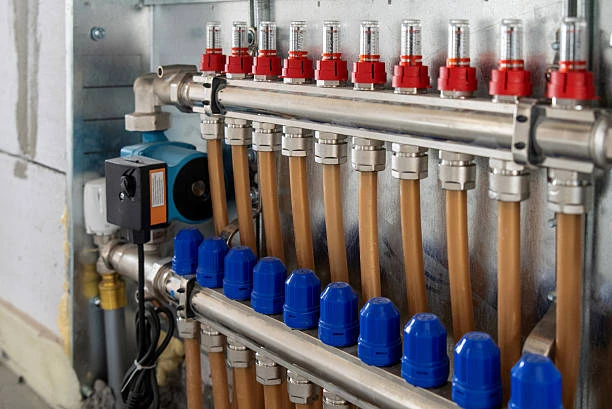
1. Basic Definition and Summary Overview
A 4 way brass manifold functions as a multi-port distribution component. Many heating and water systems use it to control different circuits. Workers install it to regulate flow in centralized networks. Brass tolerates heat, pressure, and chemical contact. Workers must follow safe handling steps to avoid damage. The manifold includes four branch connections. Each connection controls an independent loop. Workers adjust valves for balanced flow. A structured safety plan improves system reliability. Professionals consider load, pressure, and placement. Workers avoid unnecessary strain on threads and seals. Training helps reduce human error. This article explains important worker guidelines. Use cases across industries remain broad and demanding. Project supervisors rely on standard procedures. Safety checks support stable system operation. The 4 way brass manifold strengthens distribution control. Proper handling ensures long service life.
2. Frequently Asked Questions (FAQ)
Q1: What protective gear should workers use?
Workers wear gloves and eye protection. Fluid pressure sometimes surprises installers. Heat from adjacent pipes may cause burns.
Q2: How should workers handle pressure testing?
Workers relieve pressure before adjustments. They open valves slowly. Sudden surges can cause leaks and injury. Pressure gauges help guide decisions.
Q3: What training benefits workers most?
Workers learn connection techniques, torque limits, and sealing methods. Training reduces thread damage. Workshops provide hands-on guidance.
Q4: Can workers install the manifold in tight spaces?
Workers leave enough access space for maintenance. Crowded rooms slow repairs. Accidental impact can loosen fittings. The 4 way brass manifold performs better with open clearance.
Q5: How do workers check internal cleanliness?
Workers flush pipes before installation. Sediment blocks flow. Debris damages internal surfaces. Smooth circulation supports long system life.
3. Application Industries
Many sectors depend on the 4 way brass manifold. Commercial buildings divide heating circuits per zone. Office towers require individually controlled loops. Factories need temperature control around production lines. Hospital wards receive balanced heating conditions. Greenhouses regulate bed temperature for sensitive crops. Underfloor heating projects rely on controlled water volume. Each manifold branch links to one floor loop. Workers monitor flow rate constantly. Hotels maintain warm hallways and rooms. Warehouses protect stored materials from moisture swings. Stadiums heat large concourse areas evenly. Spa facilities use warm floors for comfort. Laboratories require climate stability to protect sample integrity. In each application, trained workers supervise adjustments. They monitor pressure, temperature, and flow. Modern smart control systems integrate easily. The 4 way brass manifold remains compatible with digital flow meters. Maintenance teams appreciate direct access.
4. Installation Safety Notes for Workers
Workers inspect threads before installation. Damaged threads leak under pressure. They tighten connections with balanced torque. Over-tightening cracks brass. Workers support pipe weight to avoid stress. Unsupported weight strains fittings. Proper sealing tape prevents micro leaks. Workers mark supply and return lines clearly. Wrong direction reduces heating balance. Flushing the system removes rust particles. Clean channels improve performance. Workers install air vents near high points. Airlocks reduce flow consistency. Insulated pipes reduce heat loss. Workers check valve handles for comfortable reach. They record installation data for future inspection. When testing, workers open valves gradually. Sudden pressure shocks damage seals. Workers wear gloves during hot water testing. Safety training improves installation quality. The 4 way brass manifold rewards careful handling. Workers schedule routine inspection cycles. Good documentation prevents confusion.
5. Procurement Promotion Campaign
Our store now offers a bulk purchasing event. Contractors enjoy discounted prices for large orders. Heating equipment, valves, and the 4 way brass manifold qualify for tiered pricing. Engineers receive specification advice. Designers request layout suggestions. Visit us at 3630 Valley Drive, Philadelphia, Pennsylvania. Staff answer project questions in detail. Stock remains stable during high demand seasons. Companies benefit from priority shipping queues.
6. Comparison With Other Key Components
The 4 way brass manifold compares well to plastic distribution blocks. Brass handles temperature and pressure more effectively. Plastic softens under extreme heat. Stainless steel versions resist corrosion strongly. Yet stainless weighs more and costs more. Brass balances cost and performance. Welded manifolds require specialized equipment. Workers use simple thread tools on brass units. Tee joints distribute flow but lack isolation valves. The manifold isolates each circuit easily. Isolation improves maintenance speed. Copper manifolds perform well but are expensive. They require soldering skills. Brass threading reduces required skill level. Hybrid polymer systems integrate sensors but rely on electronics. Brass remains reliable without constant power. Smart systems often pair with brass for durability. The 4 way brass manifold holds a strong value position.
7. Worker Behavior and Field Scenarios
Workers store the 4 way brass manifold away from corrosive liquids. Chemical contact reduces lifespan. Workers avoid heavy impact or dropping. Denting distorts valve seats. On rooftops, workers protect the manifold from direct sunlight. Heat spikes deform seals. In industrial plants, workers check vibration sources. Shock transfers to threaded joints. Underfloor installers label branch lines clearly. Clear labels reduce confusion years later. Workers adjust valves based on flow meters. This avoids overheating or cold spots. Newly trained workers practice valve alignment. Good alignment prevents uneven wear. Seasonal temperature changes require inspection. Workers adapt flow values for comfort. Supervisors schedule maintenance checks twice annually. This prevents sudden failures.
8. Conclusion
The 4 way brass manifold supports systems that demand controlled distribution. Workers must understand torque, sealing, and inspection. Safety planning protects equipment and people. Compared with other components, brass offers balanced advantages. Field workers appreciate its durable structure. Clear documentation simplifies maintenance later. Application sectors continue to expand. Workers follow guidelines to avoid unnecessary failure. Proper training ensures reliable system output. Teams coordinate installation tasks. They record system data carefully. Procurement events reduce project cost. Combined efforts increase long-term efficiency. With correct handling, this manifold delivers superior performance. The 4 way brass manifold remains a dependable choice for multi-zone distribution tasks.
Contact
IFAN is a professional manufacturer with 30 years of experience, dedicated to producing high-quality plastic pipes, fittings, and valves. Our products include brass valves, PPR valves, as well as various pipes and fittings to meet different customer needs. Whether you need plumbing and drainage pipes or valve products. IFAN can provide a diverse range of high-quality, cost-effective products to support your projects. Below is our contact information.
We will reply your email or fax within 24 hours.
You can call us at any time if there is any question on our production.
Pls Mailto:[email protected]












Recent Comments