
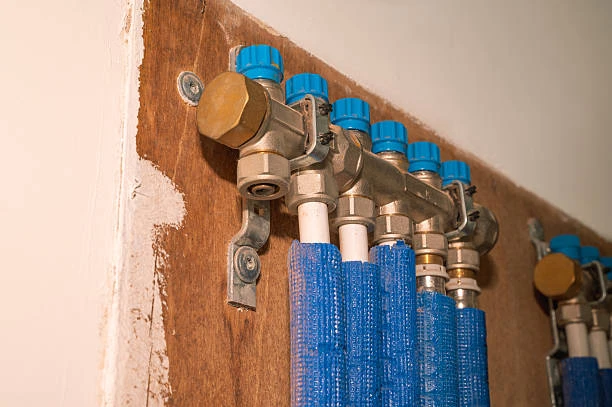
A 4 way brass manifold distributes heating water across multiple zones. It supports flexible control and efficient centralized heating. The design includes four independent ports. Each port supplies heat to its assigned area. The brass body handles corrosion and high pressure. Many engineers prefer strong mechanical performance. Centralized heating systems increase energy efficiency in buildings. A well-designed manifold enhances heat balance. Users control each branch individually. This approach limits energy waste. It reduces unnecessary heat loss. Residential buildings often require multiple distribution lines. The 4 way brass manifold helps builders complete installations faster. The system improves comfort in daily environments. Buildings maintain stable temperature zones across floors. This article explains common problems and best use practices. I also review application sectors, installation matters, and comparisons. Professionals use this manifold for stable hot water flow. The 4 way brass manifold remains a reliable heating distribution component.
Frequently Asked Questions (FAQ)
Q1: How does the manifold improve heating balance?
The 4 way brass manifold distributes water evenly across four circuits. Each valve adjusts temperature easily. Homeowners control each zone separately. Engineers reduce hot and cold imbalance. Balance improves comfort significantly.
Q2: Why choose brass instead of plastic?
Brass offers great durability. It resists corrosion, high temperature, and pressure. Plastic may deform under extreme conditions. Brass stays strong across decades. The 4 way brass manifold performs well in long-term projects.
Q3: Does the device support maintenance?
Yes. Technicians access each port directly. They isolate individual circuits. Troubleshooting becomes simple. Parts swap quickly when necessary. Users avoid expensive downtime.
Q4: What building types use manifolds effectively?
Apartments, offices, hospitals, schools, and hotels use them. They need multiple heat zones. The 4 way brass manifold fits complex heating networks.
Q5: Does the manifold reduce energy cost?
Independent regulation saves energy. Heat only flows where needed. Households reduce monthly utility costs. The system prevents unnecessary circulation. Efficiency increases noticeably.
Application Industries
The 4 way brass manifold supports many heating industries. Residential housing requires multi-zone temperature regulation. Luxury apartments demand accurate comfort control. Commercial office buildings generate complex layouts. Hospitals rely on stable thermal environments. Schools maintain comfortable classrooms during winter. Industrial workshops also value stable heat distribution. Underfloor heating systems benefit greatly. The 4 way brass manifold withstands the resulting pressure. Hotels assign heating zones to corridors and rooms. Engineers adjust temperature according to guest flow. Spa centers require warm floors and walls. This manifold distributes hot water evenly. Greenhouse growers use warm water tubes under planting beds. The manifold logic ensures uniform soil temperature. Uniform heating boosts harvest quality. Manufacturing plants circulate hot water for process control. A manifold ensures reliable and adjustable flow. Many energy contractors include these devices in projects.
Installation Precautions
Installers must confirm inlet and outlet direction. Wrong piping causes heat imbalance. Technicians leave proper space for maintenance. Crowded layouts complicate repair. Install support brackets to secure weight. Hard vibration damages connection joints. Installers tighten threaded joints evenly. Overtightening damages brass threads. Professionals flush the pipeline before connection. Dirt blocks internal channels. The 4 way brass manifold works best in clean systems. Temperature sensors must mount in correct positions. Install air vents near high points. Air pockets reduce flow efficiency. Pressure gauges provide monitoring ability. Users verify readings regularly. Insulation around pipes reduces heat loss. Technicians avoid sharp pipe bends. Smooth routing improves circulation. Before starting the system, test each port. Check for leaks carefully. Confirm valve operation. Document the installation layout for future work. Safety procedures reduce accident risk. Heating engineers follow local standards always.
Comparison With Other Key Components
The 4 way brass manifold compares well against plastic manifolds. Brass handles heat better. Plastic softens at high temperature. Stainless steel manifolds resist corrosion strongly. However, stainless may cost more. Brass balances cost and performance. Classic tee-style fittings also split flow. However, they lack zone control. The manifold provides shutoff valves for each branch. This improves maintenance flexibility. Copper manifolds perform well. Yet they cost more and require skilled soldering. Modern brass threading simplifies assembly. Electromagnetic distribution valves exist for automation. However, these require electronics. Mechanical brass manifolds stay reliable without power. The 4 way brass manifold supports underfloor systems better than simple headers. It allows precise flow balancing. Flow meters integrate easily. Builders manage flow rate effectively. In comparison with welded manifolds, threaded brass simplifies repair. Welded joints require specialized equipment. Brass components remove and replace quickly. Cost-performance ratio stays high.
Promotional Procurement Event
This month, our heating supply store launches a bulk procurement campaign. Customers save money on large orders. We offer discounts on accessories, valves, pipes, and the 4 way brass manifold. Contractors receive priority shipping. Structural engineers get technical support. Designers request project suggestions and specifications. Visit our shop at 2375 Berry Street, Colorado Springs, Colorado. Staff members answer all heating system questions. Companies receive tiered procurement plans. Stock availability stays stable during winter demand.
Installation Use Scenarios and Extra Considerations
Many homeowners combine the 4 way brass manifold with smart thermostats. This pairing increases user comfort. Underfloor loops run at lower temperatures. The manifold controls loops individually. Radiator systems use higher flow rates. Brass tolerates that pressure safely. Large villas require multiple manifolds. Installers distribute them across floors. Commercial buildings centralize manifolds in mechanical rooms. This approach simplifies maintenance. Fire stations and emergency shelters rely on stable heat distribution. Comfort improves readiness. The heating diversity among rooms demands individual control. Museums protect art using stable climate conditions. The manifold supports accurate adjustment. Data centers maintain humidity and temperature thresholds. Warm aisle containment zones demand heating balance. Engineers manage these zones easily. Swimming pool halls heat surrounding floors. The 4 way brass manifold maintains surface warmth. Luxury hotels enhance guest feeling. Guests appreciate warm flooring in bathrooms. Elderly care centers use controlled heat zones for safety.
Conclusion
The 4 way brass manifold provides excellent stability for centralized heating. It supports multiple independent zones. Brass ensures durable operation. Independent valves simplify maintenance. Energy consumption decreases significantly. Users enjoy higher comfort. Many industries benefit from this device. Proper installation enhances lifespan. Comparison with other materials proves balanced performance. Heating engineers trust this solution. Future building projects continue adopting manifolds. The device meets regulations well. It fits both residential and commercial needs. Buyers should evaluate water conditions before selection. Replace worn seals periodically. Monitor pressure and temperature monthly. For long-term reliability, choose certified products. This ensures safe heating performance. The 4 way brass manifold remains a strong choice for distributed heating control.
Contact
IFAN is a professional manufacturer with 30 years of experience, dedicated to producing high-quality plastic pipes, fittings, and valves. Our products include brass valves, PPR valves, as well as various pipes and fittings to meet different customer needs. Whether you need plumbing and drainage pipes or valve products. IFAN can provide a diverse range of high-quality, cost-effective products to support your projects. Below is our contact information.
We will reply your email or fax within 24 hours.
You can call us at any time if there is any question on our production.
Pls Mailto:[email protected]











Recent Comments