
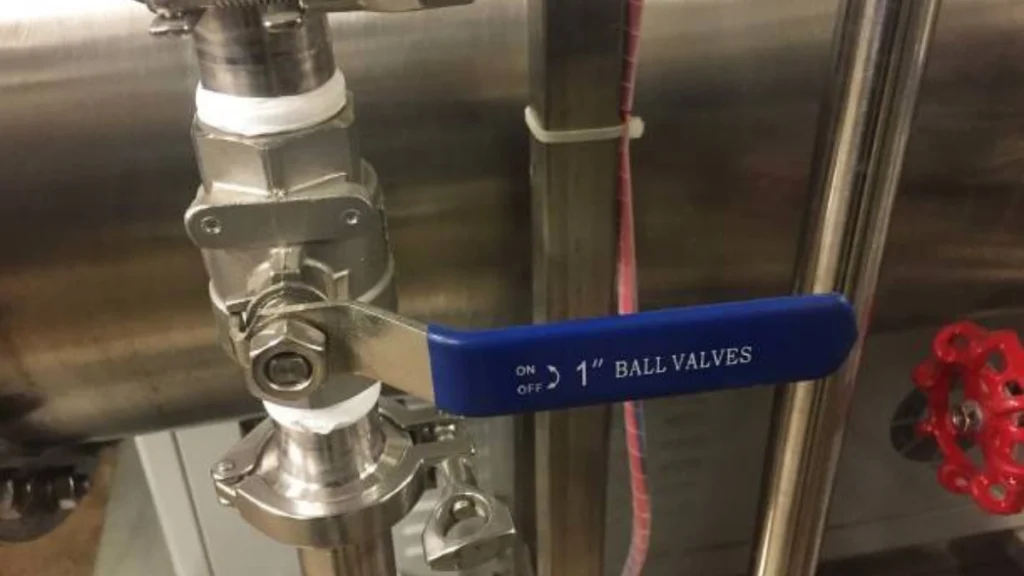
Valve Core Materials: Strength and Longevity
Valve cores are essential components in controlling fluid flow. These core regulate the movement of liquids and gases in systems that rely on precise flow management. They are crucial in many industries, such as oil, gas, water treatment, and manufacturing. The materials used in valve cores directly affect their strength, durability, and performance under various conditions. This article explores the best materials for valve cores and how their properties influence the longevity of valves.
Role of Valve Cores
The valve core is at the heart of the valve, controlling the flow of fluids. It needs to resist wear, corrosion, and high pressures to maintain optimal functionality. Valve cores are present in various systems, from simple plumbing fixtures to complex industrial machinery. In each case, the material choice is vital as it determines how well the valve core performs under pressure, temperature fluctuations, and exposure to corrosive substances. A good material ensures that the valve operates smoothly for an extended period, reducing the need for frequent repairs and replacements.
Common Valve Core Materials
Several materials are commonly used to manufacture valve cores. Steel alloys are among the most widely used due to their high strength and resistance to wear. Stainless steel offers excellent corrosion resistance and can withstand high temperatures, making it suitable for harsh environments. Brass is often used for its machinability and resistance to corrosion, especially in water-based systems. Other materials, such as bronze, carbon steel, and special superalloys, are also used depending on the application and environmental conditions. Each material has unique properties that make it ideal for specific fluid handling systems.
Strength of Valve Core Materials
The strength of a valve core material is essential for its ability to withstand high-pressure environments. In systems that operate under extreme pressure, materials like carbon steel and certain stainless steel alloys are ideal due to their exceptional tensile strength. Carbon steel offers superior strength, which is crucial for high-pressure applications such as gas pipelines. Stainless steel, with its combination of strength and resistance to corrosion, is widely used in industries dealing with both high-pressure and corrosive fluids. For extreme pressure and demanding conditions, superalloys provide unmatched durability, ensuring that the valve core can maintain its integrity over time without failure.
Corrosion Resistance and Longevity
Corrosion resistance plays a critical role in determining the lifespan of a valve core. Stainless steel is one of the most corrosion-resistant materials available, making it ideal for systems exposed to moisture, chemicals, or saltwater. Brass also resists corrosion but performs best in water-based systems, offering good protection against rust and scale build-up. Some specialized alloys, such as monel and duplex stainless steel, provide superior corrosion resistance in extremely harsh environments. These materials are often used in industries like chemical processing and offshore oil rigs, where exposure to aggressive chemicals and saltwater is constant. Using corrosion-resistant materials extends the valve’s life and reduces maintenance costs.
Temperature Resistance
Valve cores are often exposed to a wide range of temperatures, from freezing cold to extremely high heat. The material must be able to withstand temperature extremes without degrading. Stainless steel is highly effective in both high and low-temperature applications. It maintains its strength and structural integrity across a broad range of temperatures, making it suitable for cryogenic systems, high-temperature boilers, and other extreme environments. Brass, while durable, performs best in moderate temperature ranges and may not be suitable for high-heat applications. Some advanced superalloys are designed to withstand extreme temperature variations, ensuring that valve cores maintain reliable performance even under fluctuating thermal conditions.
Material Selection Based on Application
The right material for a valve core depends on the specific application and operating conditions. For instance, in water treatment systems, brass and stainless steel are often chosen because they offer excellent resistance to corrosion and ensure reliable flow control in water systems. In high-pressure gas systems, steel alloys provide the necessary strength to handle the pressure without compromising valve integrity. For chemical processing plants or other industries dealing with highly corrosive fluids, materials like monel, titanium, or duplex stainless steel are selected for their ability to resist corrosion and withstand harsh chemicals. The right material selection ensures optimal performance, durability, and cost-efficiency for each specific application.
Maintenance and Lifespan of Valve Cores
Proper maintenance is essential for maximizing the lifespan of valve cores. Regular inspections help identify any signs of wear, corrosion, or damage. Checking for leaks, cracks, or blockages during routine maintenance can prevent major failures. In some cases, replacing worn-out valve cores before they fail can save costs and prevent disruptions in operations. Valve cores that are maintained properly can last for many years, contributing to the overall efficiency and reliability of the fluid control system. Regular cleaning, lubrication, and inspection of the valve core components ensure smooth operation and extend the life of the entire valve assembly.
International Standards for Brass Ball Valves
Brass ball valves are commonly used in fluid control applications due to their durability, reliability, and corrosion resistance. To meet safety and performance standards, they are designed in compliance with various international regulations. For example, ASTM 2846 specifies the requirements for thermoplastic ball valves, while DIN 8079/8080 ensures compatibility with polyethylene and polypropylene pipes. ASTM F441/F441M SCH80 and AS/NZS 1477 set standards for valves in PVC piping systems. These standards guarantee the valve’s performance and safety, ensuring they are suitable for both residential and industrial use. Additionally, certifications such as NSF/ANSI 14 ensure the valves are safe for drinking water systems. Adhering to these international standards ensures that brass ball valves maintain optimal performance, safety, and reliability in a wide range of applications.
Contact
IFAN is a professional manufacturer with 30 years of experience, dedicated to producing high-quality plastic pipes, fittings, and valves. Our products include brass valves, PPR valves, as well as various pipes and fittings to meet different customer needs. Whether you need plumbing and drainage pipes or valve products. IFAN can provide a diverse range of high-quality, cost-effective products to support your projects. Below is our contact information.
We will reply your email or fax within 24 hours.
You can call us at any time if there is any question on our production.
Pls Mailto: [email protected]
Whatsapp: +8619884503412





Recent Comments