
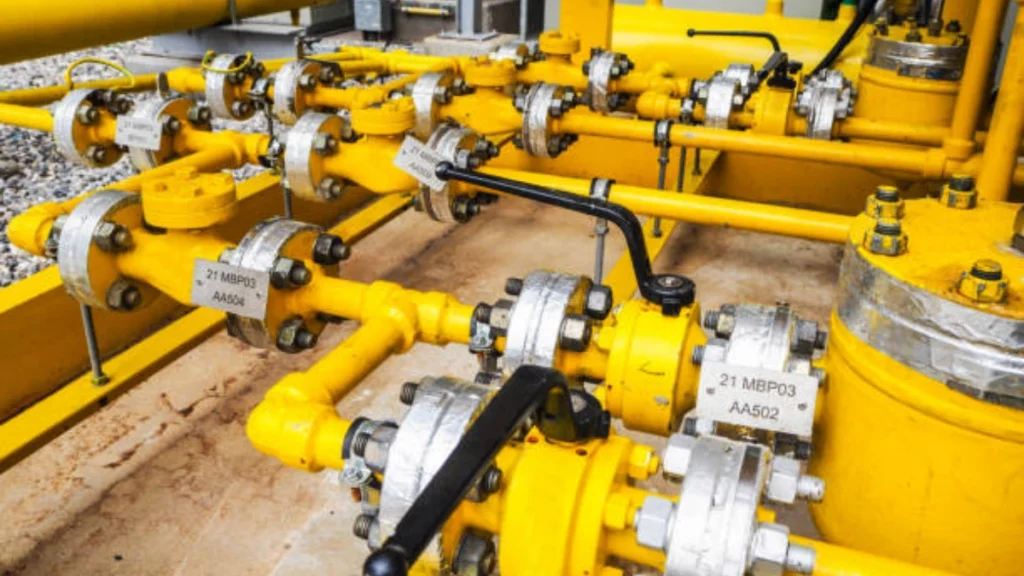
Thermostat valves are integral components in modern heating systems. They regulate the temperature in various environments, ensuring comfort and energy efficiency. These valves maintain stable room temperatures, reducing energy waste and optimizing heating performance. In this article, we will discuss the role of thermostat valves, their functionality, benefits, and applications in modern heating systems.
Role of Thermostat Valves in Heating Systems
Thermostat valves control the flow of hot water or steam into radiators or underfloor heating systems. They automatically adjust based on the temperature of the room or specific zones, ensuring that rooms maintain a desired temperature. These valves can operate in a range of heating systems, including central heating, floor heating, and radiators. By regulating the flow of heat, they contribute to overall comfort and help manage energy use efficiently. In modern systems, these valves are crucial for both residential and commercial heating solutions.
How Thermostat Valves Work
Thermostat valves work through a temperature sensor integrated into the valve. When the room temperature reaches a set point, the sensor detects this change and adjusts the valve accordingly. The valve opens or closes to regulate the flow of hot water or steam, ensuring the room maintains a consistent temperature. In some systems, the valves are manually adjusted, while others are fully automated. Many modern systems also feature wireless controls, allowing users to adjust temperature settings remotely. These valves can respond quickly to temperature fluctuations, offering accurate control and reducing energy consumption.
Types of Thermostat Valve
There are several types of thermostat valves available for different applications. The most common are the manual and automatic thermostat valves. Manual thermostat valves require users to set the temperature manually, while automatic ones adjust the temperature autonomously based on real-time conditions. Another common type is the thermostatic radiator valve (TRV), which is designed specifically for use with radiators. TRVs automatically regulate the flow of hot water to the radiator, maintaining the desired room temperature. Modern systems often incorporate digital or smart valves that can be controlled through a smartphone or smart home system.
Benefits of Using Thermostat Valve
Thermostat valves offer several key benefits, particularly in terms of comfort and energy efficiency. First, they provide precise temperature control, allowing rooms to stay at the desired level of warmth. Second, they enhance energy efficiency by reducing heating in rooms that don’t need it. By only heating rooms to the required temperature, thermostat valves can lower overall energy consumption and reduce heating bills. Additionally, they improve comfort by ensuring consistent temperature distribution. This helps prevent cold spots in rooms, leading to a more comfortable living environment. Finally, thermostat valves can be integrated into smart heating systems, further optimizing their functionality and convenience.
Thermostat Valves and Energy Efficiency
One of the primary reasons thermostat valves are used in modern heating systems is their ability to improve energy efficiency. These valves help reduce the waste of energy by ensuring that heat is only supplied when and where it’s needed. They help prevent overheating by automatically adjusting the flow based on the temperature. As a result, homes and commercial buildings consume less energy, leading to lower heating costs. In addition, thermostat valves enable zone heating, allowing different areas of a building to be heated according to their specific needs. This targeted approach reduces the need for large-scale heating, further improving overall energy efficiency.
Thermostat Valve in Modern Homes and Commercial Buildings
In modern homes, thermostat valves are often part of a central heating system. These systems typically include a boiler, radiators, or underfloor heating pipes that are controlled by thermostat valves to maintain a comfortable temperature. In commercial buildings, these valves help manage temperature in larger spaces, ensuring even distribution of heat throughout the building. For instance, offices, hotels, and factories can use thermostat valves to maintain optimal working conditions. Smart thermostat valves, which allow remote control and programming, are increasingly popular in both residential and commercial settings, offering greater flexibility and control over heating.
Maintenance and Considerations for Thermostat Valve
To ensure thermostat valves function efficiently, regular maintenance is important. Checking for leaks, ensuring that the valve opens and closes properly, and cleaning the valve periodically can extend its lifespan. In some cases, dirt or debris can accumulate in the valve, affecting its performance. Therefore, it’s essential to check the system regularly to avoid issues. It is also important to consider factors such as system compatibility and installation location when choosing thermostat valves. Choosing the right type of valve for your heating system ensures optimal performance and efficiency. Professional installation can also help avoid common problems that might arise with improper setup or compatibility issues.
International Standards for Brass Ball Valve
Brass ball valves are commonly used in fluid control applications due to their durability, reliability, and corrosion resistance. To meet safety and performance standards, they are designed in compliance with various international regulations. For example, ASTM 2846 specifies the requirements for thermoplastic ball valves, while DIN 8079/8080 ensures compatibility with polyethylene and polypropylene pipes. ASTM F441/F441M SCH80 and AS/NZS 1477 set standards for valves in PVC piping systems. These standards guarantee the valve’s performance and safety, ensuring they are suitable for both residential and industrial use. Additionally, certifications such as NSF/ANSI 14 ensure the valves are safe for drinking water systems. Adhering to these international standards ensures that brass ball valves maintain optimal performance, safety, and reliability in a wide range of applications.
Contact
IFAN is a professional manufacturer with 30 years of experience, dedicated to producing high-quality plastic pipes, fittings, and valves. Our products include brass valves, PPR valves, as well as various pipes and fittings to meet different customer needs. Whether you need plumbing and drainage pipes or valve products. IFAN can provide a diverse range of high-quality, cost-effective products to support your projects. Below is our contact information.
We will reply your email or fax within 24 hours.
You can call us at any time if there is any question on our production.
Pls Mailto: [email protected]
Whatsapp: +8619884503412








Recent Comments