
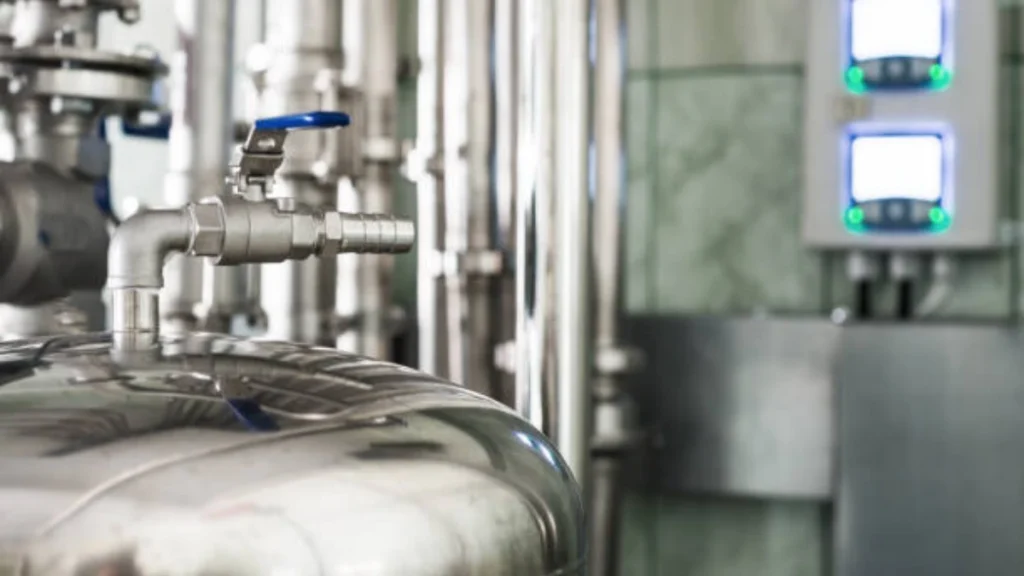
Sluice valves are crucial components in water and wastewater management systems. They are designed to control the flow of water, often in large pipelines or channels. Proper maintenance of sluice valves ensures their reliability and longevity. Neglecting maintenance can lead to valve failure, affecting system performance. This article explores the best practices for maintaining sluice valves to keep them working efficiently.
Understanding Sluice Valve Functions
Sluice valves operate by raising or lowering a gate inside the valve body. This gate controls the flow of water through the valve, either allowing or restricting it. The design of sluice valves makes them ideal for applications where the water flow needs to be controlled in a large pipeline or reservoir. These valves are often installed in places where manual operation or remote control is required. Regular inspection of the gate and actuator ensures that they operate smoothly and efficiently.
Frequent Inspections and Visual Checks
Regular inspection is essential for identifying potential issues early. Operators should perform visual checks on the sluice valve to ensure that there are no visible signs of wear or damage. Pay close attention to the valve body, gate, and actuator mechanism. Look for any leaks, corrosion, or physical damage that could affect valve operation. Any debris or sediment build-up should be removed to prevent blockages. A simple visual inspection can often detect problems before they become major issues.
Lubrication and Moving Parts
The moving parts of a sluice valve, such as the actuator and gate, require proper lubrication. Over time, friction can cause these parts to wear out or become stuck. Lubricating the gate and actuator regularly ensures smooth movement and reduces wear. Use the recommended type of lubricant, as some lubricants can cause corrosion or damage to the valve components. Operators should check the lubrication level during routine maintenance checks and apply more as needed.
Cleaning the Valve and Components
Cleaning is an important aspect of sluice valve maintenance. Dirt, debris, and mineral deposits can accumulate inside the valve, leading to blockages or reduced flow efficiency. Regular cleaning prevents these build-ups and ensures smooth operation. Clean both the internal and external parts of the valve, including the gate, valve body, and actuator. Use a soft brush and a suitable cleaning agent to remove any dirt or debris without damaging the components. Rinsing the valve with clean water helps clear away any remaining particles.
Sealing and Gasket Maintenance
Seals and gaskets are essential for preventing leaks in sluice valves. Over time, seals can degrade or become damaged, leading to water leakage. Inspect the seals regularly for signs of wear, cracks, or corrosion. Replace any damaged gaskets promptly to avoid leaks that could affect system performance. Use the correct type of gasket material to ensure proper sealing, as incompatible materials can lead to further damage. Properly installed and maintained seals are crucial for the valve’s effectiveness.
Handling Corrosion and Rust
Corrosion and rust are common issues in sluice valve maintenance, especially in environments with high humidity or exposure to chemicals. The valve body and components should be regularly inspected for signs of corrosion. If corrosion is detected, it should be cleaned immediately using appropriate rust removers or abrasive tools. Apply a protective coating to prevent further corrosion and extend the lifespan of the valve. Regular inspection and maintenance of the valve’s exterior and interior components will prevent rust and corrosion from affecting the valve’s performance.
Actuator and Control System Maintenance
The actuator and control system play a vital role in the operation of the sluice valve. Regularly check the actuator for proper function. If the valve is electric or pneumatic, ensure that the electrical or pneumatic systems are working properly. Inspect all wiring and connections for damage, wear, or corrosion. In the case of manual actuators, make sure the handle or lever operates smoothly. Any issues with the actuator should be addressed immediately, as they can prevent the valve from opening or closing correctly, affecting overall system efficiency.
Ensuring Valve Functionality Through Testing
Testing sluice valves regularly is essential to ensure that they are functioning correctly. Perform functional tests by opening and closing the valve to check if it operates smoothly. Monitor the valve’s response time and check for any abnormal sounds, such as grinding or sticking. These could indicate issues with the valve’s components, such as the actuator or gate. Conducting pressure tests and flow tests can help identify any leaks or areas of inefficiency. It’s important to perform these tests under normal operating conditions to ensure that the valve is ready for use in any situation.
Conclusion
Sluice valve maintenance is vital for ensuring the continued performance and longevity of the valve in water management systems. By regularly inspecting the valve, lubricating moving parts, cleaning components, and maintaining seals, operators can keep the valve in optimal working condition. Corrosion, actuator issues, and leaks should be promptly addressed to avoid costly repairs and downtime. Following these best practices helps maintain valve efficiency, reduce the risk of failures, and extend the lifespan of sluice valves in any system.
International Standards for Brass Ball Valves
Brass ball valves are widely used in various fluid control applications due to their durability, reliability, and high resistance to corrosion. To ensure these valves meet the necessary safety and performance requirements, they are designed according to numerous international standards. For instance, ASTM 2846 outlines specifications for thermoplastic ball valves, while DIN 8079/8080 focuses on compatibility with polyethylene and polypropylene pipes. Additionally, standards such as ASTM F441/F441M SCH80 and AS/NZS 1477 ensure the valves’ effectiveness in PVC piping systems. By adhering to these strict regulations, brass ball valves maintain optimal performance, ensuring they are suitable for both residential and industrial settings, including drinking water systems, with certifications like NSF/ANSI 14.
Contact
IFAN is a professional manufacturer with 30 years of experience, dedicated to producing high-quality plastic pipes, fittings, and valves. Our products include brass valves, PPR valves, as well as various pipes and fittings to meet different customer needs. Whether you need plumbing and drainage pipes or valve products. IFAN can provide a diverse range of high-quality, cost-effective products to support your projects. Below is our contact information.
We will reply your email or fax within 24 hours.
You can call us at any time if there is any question on our production.
Pls Mailto: [email protected]
Whatsapp: +8619884503412








Recent Comments