
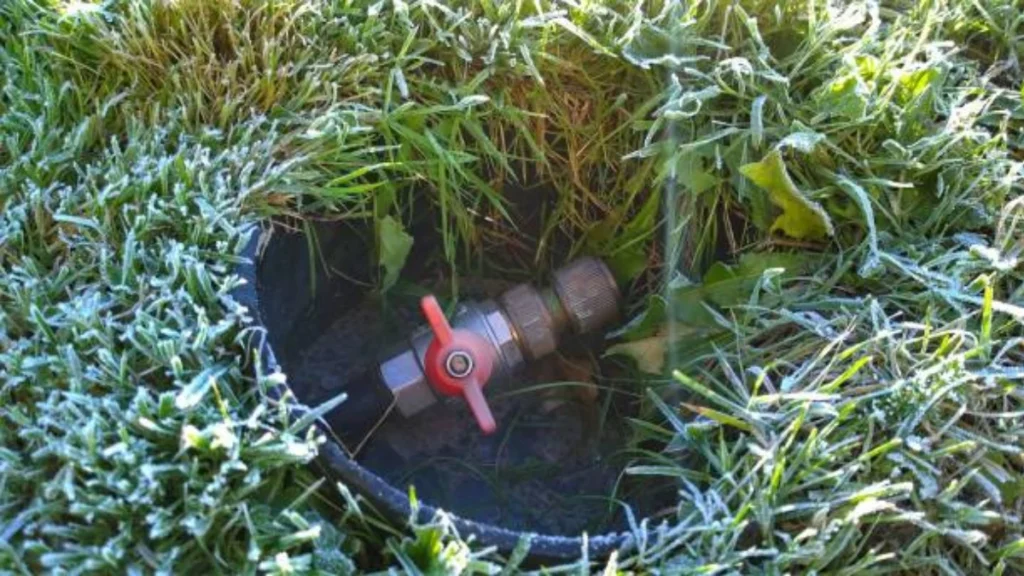
Valves play an essential role in controlling the flow of fluids and gases in various industries, from manufacturing to water treatment. The valve core, a key component of any valve, is responsible for regulating the flow and ensuring proper sealing. Innovations in valve core design have greatly enhanced sealing performance, leading to better efficiency, safety, and reliability. This article will delve into the latest advancements in valve core technology and their impact on sealing capabilities.
Understanding the Valve Core Function
The valve core controls the movement of fluids or gases within a valve. It works by opening or closing the flow path, which directly impacts the sealing mechanism. When a valve is closed, the core creates a tight seal to prevent leakage, and when open, it allows fluids to pass through. The core’s material and design are critical factors in ensuring effective sealing. Over time, technological advancements have led to the development of materials and designs that improve sealing performance under various pressures, temperatures, and fluid conditions.
Innovative Materials for Better Sealing
One of the most significant innovations in valve core technology is the development of advanced materials. Traditional valve cores were primarily made from metals such as brass and stainless steel. However, newer materials like high-performance plastics, composites, and ceramic coatings have been introduced to improve sealing. These materials are more resistant to corrosion, wear, and high temperatures. For example, ceramic-coated valve cores provide enhanced sealing in aggressive environments, such as those involving corrosive chemicals. Additionally, plastics like PTFE (polytetrafluoroethylene) offer excellent resistance to chemicals, ensuring long-lasting, reliable seals.
Self-Lubricating Valve Cores
Another recent innovation is the development of self-lubricating valve cores. Traditional valve cores often require external lubricants to ensure smooth operation and prevent wear. However, advancements in material science have led to the creation of valve cores that contain lubricating properties within the material itself. These self-lubricating cores reduce friction between moving parts, preventing wear and tear and enhancing the valve’s sealing capabilities. This innovation is particularly beneficial in high-frequency applications where valves are opened and closed frequently, as it extends the lifespan of the valve and reduces maintenance costs.
Enhanced Sealing Performance in Extreme Conditions
Valve cores often operate in harsh environments, including high-pressure, high-temperature, and chemically aggressive conditions. Innovations in valve core design have focused on improving sealing performance under such extreme conditions. One approach is the use of reinforced elastomers and seals that are resistant to both high pressure and temperature fluctuations. These seals help maintain a tight seal, even when subjected to extreme operational conditions. Additionally, valves are now designed with improved structural integrity to withstand extreme pressures without compromising the sealing function. These innovations enhance the valve’s performance and ensure that it can operate reliably in the most demanding environments.
Improved Design for Leak Prevention
The design of the valve core has also evolved to focus more on preventing leaks. Traditional valve cores sometimes struggled with maintaining a tight seal due to factors like wear, temperature changes, or the nature of the fluids being handled. To combat this, valve core designs have incorporated new sealing mechanisms, such as multi-layered seals and better alignment features. Multi-layer seals ensure that even if one layer experiences wear, the others still maintain an effective seal. Improved alignment features ensure that the valve components fit together perfectly, reducing the risk of leakage. These design innovations lead to higher reliability and safety in various industrial applications.
Advances in Automated Valve Core Technology
With the rise of automation in industrial systems, valve core technology has also advanced to accommodate automated operations. Automated valves require precise control of the valve core to ensure proper sealing. Innovations in this area have focused on enhancing the responsiveness and precision of valve core movements. For example, actuators that control the valve core are now more efficient and responsive, allowing for better control over the opening and closing of the valve. These advancements in automated valve core technology have made it possible to maintain a consistent seal even in highly dynamic systems, where fluid pressures and flow rates fluctuate rapidly.
Minimizing Wear and Tear for Longer Lifespan
Wear and tear are significant factors that affect the sealing ability of valve cores. Over time, the repeated opening and closing of the valve can cause the core and seals to degrade, leading to leaks and reduced performance. To combat this issue, manufacturers have introduced advanced materials and coatings that minimize wear and prolong the life of the valve core. For instance, some valve cores now feature diamond-like coatings that provide excellent wear resistance while maintaining high sealing performance. These innovations help reduce the need for frequent repairs or replacements, saving costs and increasing the reliability of the system.
Sustainability and Environmental Impact
Sustainability is becoming an increasingly important consideration in valve core innovations. Manufacturers are now designing valve cores with environmentally friendly materials that minimize the environmental impact. For instance, materials like biodegradable elastomers and recyclable metals are being used to create more sustainable valve cores. Additionally, innovations in valve design also focus on reducing energy consumption. By improving sealing performance and reducing leaks, these valves help minimize energy loss in fluid transportation systems. These sustainability-focused innovations not only contribute to environmental conservation but also help companies reduce operational costs associated with energy consumption and material waste.
International Standards for Brass Ball Valve
Brass ball valves are commonly used in fluid control applications due to their durability, reliability, and corrosion resistance. To meet safety and performance standards, they are designed in compliance with various international regulations. For example, ASTM 2846 specifies the requirements for thermoplastic ball valves, while DIN 8079/8080 ensures compatibility with polyethylene and polypropylene pipes. ASTM F441/F441M SCH80 and AS/NZS 1477 set standards for valves in PVC piping systems. These standards guarantee the valve’s performance and safety, ensuring they are suitable for both residential and industrial use. Additionally, certifications such as NSF/ANSI 14 ensure the valves are safe for drinking water systems. Adhering to these international standards ensures that brass ball valves maintain optimal performance, safety, and reliability in a wide range of applications.
Contact
IFAN is a professional manufacturer with 30 years of experience, dedicated to producing high-quality plastic pipes, fittings, and valves. Our products include brass valves, PPR valves, as well as various pipes and fittings to meet different customer needs. Whether you need plumbing and drainage pipes or valve products. IFAN can provide a diverse range of high-quality, cost-effective products to support your projects. Below is our contact information.
We will reply your email or fax within 24 hours.
You can call us at any time if there is any question on our production.
Pls Mailto: [email protected]
Whatsapp: +8619884503412





Recent Comments