
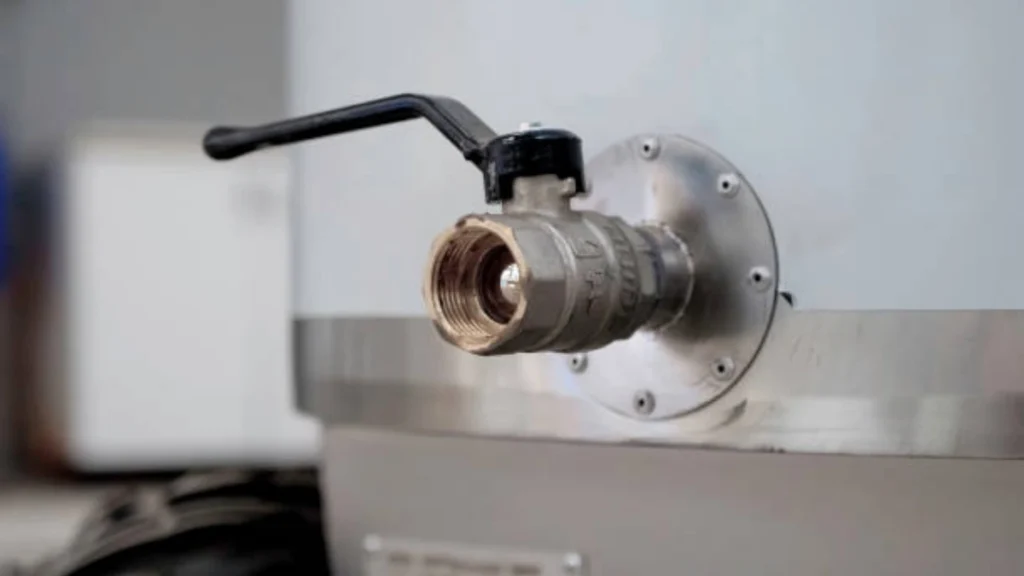
Sluice valve play a critical role in controlling fluid flow in various industrial applications. These valves are designed to regulate the flow of water, oil, and other liquids by either opening or closing the flow path. Their applications range from water treatment plants to oil pipelines, where precise flow control is necessary. Understanding the working principle of sluice valves helps ensure proper installation, maintenance, and operation, improving overall system performance. This article will explore the working principle of sluice valves, their components, types, applications, and maintenance.
Overview of Sluice Valve Design
Sluice valves are composed of a valve body, a sluice gate, and a mechanism to control the gate’s position. The sluice gate is the primary element that controls fluid flow. When the gate is raised, the flow path is opened, and fluid can pass through. Conversely, when the gate is lowered, the flow is blocked. Sluice valves are often operated manually or with an automated actuator, depending on the application. The construction of the valve is robust, ensuring that it can withstand the pressure and harsh conditions typically found in industrial environments.
How Sluice Valves Function
Sluice valves function based on the movement of the sluice gate within the valve body. The gate is typically a flat, rectangular piece that moves vertically within the valve body. When the valve is opened, the gate is lifted, creating a clear passage for fluid to flow through. The valve is closed by lowering the gate to seal the opening. The valve’s mechanism ensures that the gate remains securely in place when closed, preventing leakage. The operation of a sluice valve is simple, but its effectiveness depends on precise control of the gate’s position.
Applications of Sluice Valves
Sluice valves are used in a wide range of applications, particularly in industries where large volumes of fluid need to be controlled. In water treatment plants, sluice valves control the flow of water through pipelines and filtration systems. They are also used in sewage systems to regulate wastewater flow. In the oil and gas industry, sluice valves control the flow of crude oil and gas in pipelines, ensuring safe and efficient transportation. Other applications include flood control systems, irrigation, and power plants, where fluid control is essential for maintaining proper system operation.
Benefits of Using Sluice Valves
Sluice valves offer several benefits, making them suitable for various applications. One of the primary advantages is their ability to handle high flow rates with minimal pressure loss. This is particularly important in systems where fluid must flow quickly or in large volumes, such as in water treatment plants or irrigation systems. Additionally, sluice valves are highly durable and resistant to wear, making them ideal for use in harsh conditions. The simple design of sluice valves also makes them easy to operate and maintain, providing long-term reliability with minimal effort.
Types of Sluice Valves
There are several types of sluice valves, each designed for specific applications and requirements. The most common type is the rising stem sluice valve, which features a stem that rises as the gate is lifted. This design allows for easy visual indication of the valve’s position. Another type is the non-rising stem sluice valve, which is used when space is limited or where the valve is installed underground. In these valves, the stem does not rise; instead, the gate moves directly with the handwheel or actuator. Each type of sluice valve has unique advantages depending on the application.
Maintenance of Sluice Valves
Proper maintenance is essential for the reliable operation of sluice valves. Regular inspection of the valve’s components, including the gate, stem, and actuator, ensures that the valve functions smoothly. Any signs of corrosion, wear, or damage should be addressed immediately to prevent leaks or failures. Lubrication of the gate and stem is also necessary to ensure smooth operation and to prevent rusting. For valves used in high-pressure applications, periodic testing is required to verify that the valve can withstand operational pressures. Regular maintenance reduces the likelihood of unexpected breakdowns and ensures that the valve remains in good working condition.
Advantages of Manual vs. Automated Sluice Valves
Sluice valves can be operated manually or automatically, depending on the system’s needs. Manual sluice valves are typically used in smaller systems or applications where flow control is infrequent. These valves are simple to operate and require minimal maintenance. On the other hand, automated sluice valves are used in larger systems or situations where frequent adjustments are necessary. Automated sluice valves can be controlled remotely, making them ideal for applications where human intervention is not feasible. While manual valves are cost-effective, automated valves offer greater precision and efficiency in controlling fluid flow.
International Standards for Brass Ball Valve
Brass ball valves are commonly used in fluid control applications due to their durability, reliability, and corrosion resistance. To meet safety and performance standards, they are designed in compliance with various international regulations. For example, ASTM 2846 specifies the requirements for thermoplastic ball valves, while DIN 8079/8080 ensures compatibility with polyethylene and polypropylene pipes. ASTM F441/F441M SCH80 and AS/NZS 1477 set standards for valves in PVC piping systems. These standards guarantee the valve’s performance and safety, ensuring they are suitable for both residential and industrial use. Additionally, certifications such as NSF/ANSI 14 ensure the valves are safe for drinking water systems. Adhering to these international standards ensures that brass ball valves maintain optimal performance, safety, and reliability in a wide range of applications.
Contact
IFAN is a professional manufacturer with 30 years of experience, dedicated to producing high-quality plastic pipes, fittings, and valves. Our products include brass valves, PPR valves, as well as various pipes and fittings to meet different customer needs. Whether you need plumbing and drainage pipes or valve products. IFAN can provide a diverse range of high-quality, cost-effective products to support your projects. Below is our contact information.
We will reply your email or fax within 24 hours.
You can call us at any time if there is any question on our production.
Pls Mailto: [email protected]
Whatsapp: +8619884503412








Recent Comments