
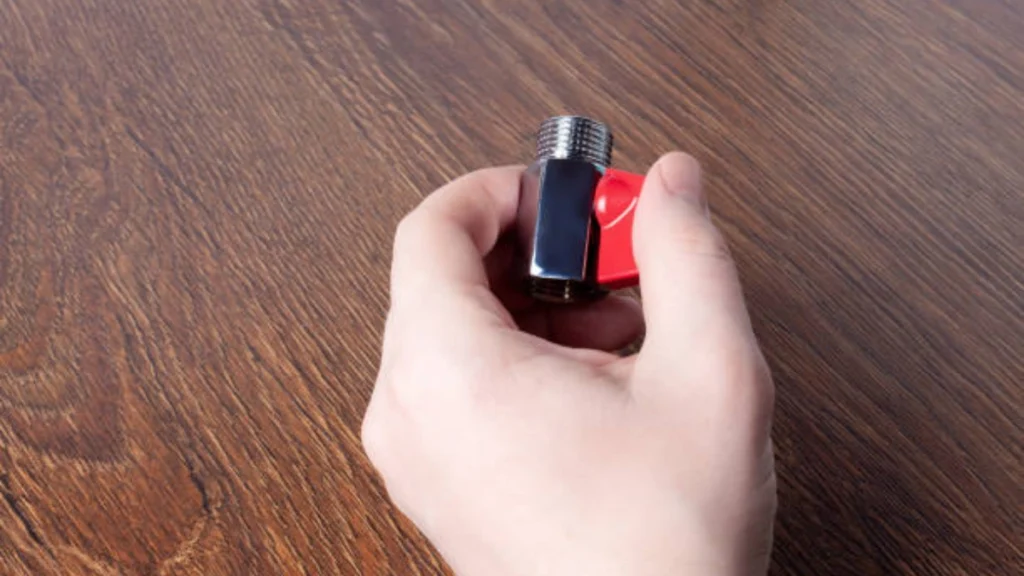
LPG (Liquefied Petroleum Gas) valve is crucial for regulating the flow of gas in storage, transportation, and usage. These valves ensure the safety and efficiency of LPG systems, both in domestic and industrial applications. Various types of LPG valves are designed for specific purposes. Understanding their functions is vital for ensuring the safe operation of LPG systems. This article will explore different types of LPG valves, their functions, and their applications across various industries.
Understanding LPG Valves and Their Importance
LPG valves control the flow of liquefied petroleum gas through pipelines, tanks, and appliances. These valves regulate pressure, prevent leaks, and deliver gas safely to its destination. LPG is widely used in residential heating and cooking, industrial machinery, and commercial establishments. Proper valve selection and maintenance are essential to prevent dangerous leaks and explosions. By understanding LPG valves and their functions, businesses and homeowners can ensure the safe use of LPG.
Ball Valve in LPG Systems
Ball valves are commonly used in LPG systems due to their durability and reliability. These valves consist of a spherical ball with a hole in the center to regulate gas flow. When aligned with the pipeline, gas flows freely; when turned 90 degrees, the flow is blocked. Ball valves are ideal for high-pressure systems and are often used in tank valves, appliance connections, and gas supply lines. They are available in both manual and automated versions for various operational needs.
Regulator Valves for Pressure Control
Regulator valves control gas pressure in LPG systems. These valves reduce pressure from high levels in storage tanks to the levels required for safe usage. The valve includes a spring-loaded mechanism that adjusts the gas flow rate based on the downstream pressure. In residential applications, regulator valves ensure safe gas delivery to appliances such as stoves and heaters. In industrial applications, they maintain precise pressure levels for machinery, ensuring both safety and efficiency.
Check Valves for Preventing Backflow
Check valves prevent backflow and protect LPG systems from damage. Backflow occurs when the pressure in the downstream system exceeds that in the upstream system, causing the gas to flow in reverse. This can result in contamination or equipment damage. Check valves automatically close when flow direction changes, ensuring gas flows in one direction only. These valves are used in LPG tanks, pipelines, and equipment connections to prevent backflow and maintain system integrity.
Balloon Valves for Liquefied Gas Control
Balloon valves are specialized valves used in LPG systems for controlling liquefied gas flow. They feature a flexible diaphragm or balloon that expands or contracts to control gas flow. Balloon valves are ideal for portable LPG applications, such as camping stoves or small heating systems. They provide a tight seal while maintaining flexibility, making them suitable for mobile or temporary gas applications. These valves are also known for their compact design and ease of operation.
Solenoid Valve in Automatic LPG Systems
Solenoid valves play an essential role in automated LPG systems, especially where remote operation is necessary. These electrically operated valves use a solenoid coil to open or close the valve when energized. Solenoid valves control gas flow based on signals from thermostats or pressure sensors, making them ideal for automatic control systems. These valves are commonly used in LPG heating systems, industrial machinery, and process control applications, enhancing safety and convenience through remote operation.
Shut-off Valves for Emergency Applications
Shut-off valves are crucial in LPG systems for quickly stopping gas flow during emergencies. These valves can be manually or automatically operated to halt gas flow in case of a leak, fire, or other hazardous situations. Shut-off valves are installed at critical points in the gas supply line, such as at the tank, pipeline, and appliance connections. They help ensure the safety of people and property by isolating gas quickly during emergencies.
Vent Valves for Pressure Relief
Vent valves manage excess pressure within LPG systems. As LPG is stored under pressure, the system must have a means to relieve pressure if it builds up. Vent valves open when the pressure exceeds a preset level, allowing gas to escape safely. This prevents over-pressurization, which could lead to dangerous ruptures. Vent valves are essential for maintaining the integrity and safety of large storage tanks and industrial LPG systems.
Conclusion
LPG valves are vital components that ensure the safe and efficient use of liquefied petroleum gas. Whether regulating pressure, preventing backflow, or shutting off gas during emergencies, each valve type has a specific function. Ball valves, regulator valves, check valves, and solenoid valves all serve essential roles in both residential and industrial applications. Understanding the types and functions of LPG valves helps businesses and homeowners make informed decisions about installation and maintenance. Proper valve selection and maintenance prevent leaks, reduce risks, and optimize the performance of LPG systems.
International Standards for Brass Ball Valve
Brass ball valves are commonly used in fluid control applications due to their durability, reliability, and corrosion resistance. To meet safety and performance standards, they are designed in compliance with various international regulations. For example, ASTM 2846 specifies the requirements for thermoplastic ball valves, while DIN 8079/8080 ensures compatibility with polyethylene and polypropylene pipes. ASTM F441/F441M SCH80 and AS/NZS 1477 set standards for valves in PVC piping systems. These standards guarantee the valve’s performance and safety, ensuring they are suitable for both residential and industrial use. Additionally, certifications such as NSF/ANSI 14 ensure the valves are safe for drinking water systems. Adhering to these international standards ensures that brass ball valves maintain optimal performance, safety, and reliability in a wide range of applications.
Contact
IFAN is a professional manufacturer with 30 years of experience, dedicated to producing high-quality plastic pipes, fittings, and valves. Our products include brass valves, PPR valves, as well as various pipes and fittings to meet different customer needs. Whether you need plumbing and drainage pipes or valve products. IFAN can provide a diverse range of high-quality, cost-effective products to support your projects. Below is our contact information.
We will reply your email or fax within 24 hours.
You can call us at any time if there is any question on our production.
Pls Mailto: [email protected]
Whatsapp: +8619884503412







Recent Comments