
Introduction: Why Braided Hose Transportation Matters
The braided hose plays a critical role across multiple industries, including plumbing, automotive, construction, chemical processing, and manufacturing. These hoses—typically made from reinforced rubber, PVC, or thermoplastics with a woven stainless steel or polyester braid—are valued for their durability, pressure resistance, and flexibility.
While the focus often lies on production and application, transportation is a crucial link in the braided hose supply chain. Efficient and safe transportation ensures that hoses arrive at their destination without deformation, contamination, or damage, preserving both performance and lifespan. In this article, we explore the importance of proper braided hose logistics, market-specific transportation strategies, and tips for optimizing shipping processes worldwide.
Understanding the Physical Nature of Braided Hose
Before diving into logistics, it’s important to understand the physical characteristics of a braided hose:
- Flexible but pressure-resistant
- Susceptible to kinking if not coiled properly
- Available in varying lengths and diameters
- Sensitive to external pressure during transport
Because of these traits, transportation methods must account for space efficiency, protective handling, and preservation of structural integrity—especially for long or pre-assembled hoses with connectors.
Packaging Techniques for Safe Transport
Proper packaging is the foundation of successful braided hose transportation. Industry best practices include:
1. Coiled Bundles
Most braided hoses are shipped in coiled form, typically tied with nylon straps or secured using plastic wraps. Coiling reduces volume, simplifies stacking, and protects the inner lining from bending stress.
2. Reels or Spools
For longer hoses, especially in industrial or construction applications, manufacturers often use reels or wooden spools. This method minimizes the risk of tangling or internal twist damage during transit.
3. Carton and Boxed Packaging
Shorter hose lengths for residential or commercial use are typically packed in branded cartons. Boxes provide an extra layer of protection and are easier to palletize for LTL (less-than-truckload) and e-commerce shipping.
4. Protective Covers and End Caps
To maintain hose cleanliness and prevent contamination, plastic end caps are applied to hose ends. In certain industries (e.g., food-grade or medical), additional inner wrapping with antistatic films or sealed liners is required.
Domestic vs. International Transportation Considerations
Domestic Shipping (Short Distance)
For local or regional shipments, road freight is the dominant mode. Trucks can carry coiled hoses or boxed units directly to retail stores, distributors, or end users.
Key considerations:
- Stack height and weight limits for pallets
- Proper labeling for handling instructions
- Protection from sun or rain during open-air transport
International Shipping (Export)
In global supply chains, braided hoses are often shipped via:
- Sea Freight (most common for bulk orders)
- Air Freight (for time-sensitive, high-value items)
- Rail Freight (in regions like China–Europe corridor)
Containerization is essential. Most exporters use 20- or 40-foot shipping containers, with hoses packed on pallets or in bulk boxes to maximize volume and prevent shifting during ocean transport.
Export documentation (e.g., HS codes, Certificates of Origin, and Material Safety Data Sheets) is also critical to ensure customs clearance without delays.
Transportation Challenges in the Braided Hose Market
1. Volume vs. Weight
Braided hoses are relatively lightweight, but they consume considerable space due to their diameter. Logistics providers must find a balance between cube optimization and load safety.
2. Deformation During Transit
Improper stacking or compression can deform hoses, reducing flow capacity and causing product returns. Using spacers and reinforced packaging helps prevent squashing during transit.
3. Weather and Environmental Impact
Extended exposure to UV light, moisture, or freezing temperatures during transport can degrade certain hose materials. Temperature-controlled containers or tarpaulin coverings may be necessary depending on climate and route.
4. Damage to Fittings
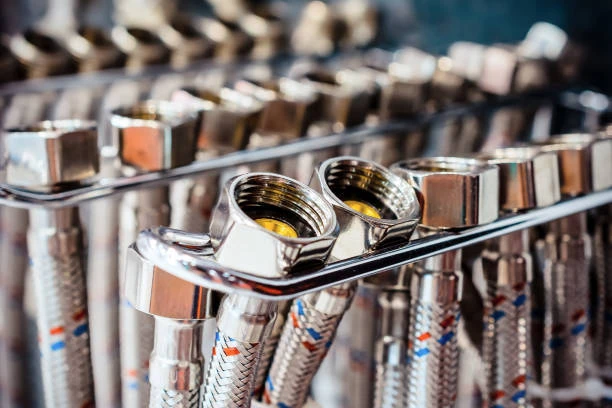
Braided hoses often come with metal connectors or couplings. These fittings are prone to scratching or denting, especially in bulk transport. Foam padding or individual wrapping is recommended.
Best Practices for Braided Hose Shipping
To minimize loss and ensure customer satisfaction, follow these proven strategies:
- Use standardized pallet sizes (EUR or 48″x40″) for global compatibility
- Label hose diameters and lengths clearly to avoid repackaging at distribution centers
- Apply QR codes or barcodes for inventory tracking and logistics automation
- Work with certified freight forwarders familiar with industrial hose products
- Implement Just-in-Time (JIT) logistics where applicable to reduce warehouse burden
Regional Logistics Strategies
North America:
Distribution relies heavily on interstate trucking and regional fulfillment centers. Major braided hose suppliers often use 3PL (third-party logistics) partners to service B2B and retail networks.
Europe:
Cross-border transport within the EU is facilitated by harmonized regulations. Multimodal transport (rail + truck) is common, especially for goods moving between Germany, Poland, and France.
Asia-Pacific:
In markets like China and India, a mix of rail and sea transport dominates. Major braided hose exporters use coastal ports like Ningbo, Shanghai, and Mumbai for global shipments.
Middle East & Africa:
Braided hoses are often imported for construction and oil & gas projects. Logistics providers must plan around desert temperatures, customs formalities, and last-mile challenges.
Sustainability and Transportation Efficiency
With the global push toward greener logistics, braided hose manufacturers and suppliers are:
- Optimizing load planning to reduce carbon footprint
- Using recyclable packaging materials
- Collaborating with eco-conscious carriers
- Digitizing transport documentation to improve transparency
Improving transport efficiency not only cuts costs but also aligns with corporate environmental goals—a growing concern among buyers and investors.
Conclusion: Smart Transportation Protects Product Value
Transporting a braided hose is more than just moving it from point A to point B. It requires careful planning, protective packaging, and logistics expertise to maintain product integrity and customer trust.
From coiling methods to container loading strategies, every detail matters. Whether you’re a manufacturer, distributor, or importer, understanding the transport dynamics of braided hoses helps ensure lower costs, fewer claims, and a stronger supply chain overall.
Contact
IFAN is a professional manufacturer with 30 years of experience, dedicated to producing high-quality plastic pipes, fittings, and valves. Our products include brass valves, PPR valves, as well as various pipes and fittings to meet different customer needs. Whether you need plumbing and drainage pipes or valve products. IFAN can provide a diverse range of high-quality, cost-effective products to support your projects. Below is our contact information.
We will reply your email or fax within 24 hours.
You can call us at any time if there is any question on our production.
Pls Mailto:[email protected]









Recent Comments