
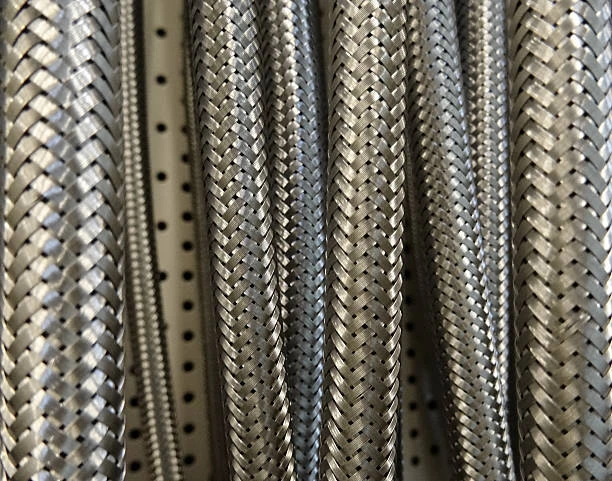
Introduction: Braided Hose in the Modern Economy
The braided hose may seem like a small, technical component, but its economic footprint spans a wide range of industries, including plumbing, automotive, aerospace, agriculture, construction, and healthcare. As a flexible, durable conduit for fluid transfer, the braided hose plays a critical role in ensuring the efficiency, safety, and functionality of larger systems.
In this article, we explore the economic impact of braided hoses, analyzing their contribution to manufacturing, infrastructure, and trade, while identifying key trends that influence production, pricing, and global demand.
Braided Hose: A High-Demand Commodity
In today’s industrial economy, braided hoses are essential components in the transport of water, gas, oil, chemicals, and air. They’re commonly used in:
- Automotive braking and fuel systems
- Residential and commercial plumbing
- HVAC systems
- Industrial equipment and robotics
- Food and beverage production lines
Because of this broad application base, the braided hose market supports thousands of jobs worldwide — from raw material suppliers to assembly-line technicians and distribution networks.
Contribution to Global Manufacturing Value Chains
1. Supporting Industrial Efficiency
Braided hoses contribute to overall manufacturing efficiency, reducing system downtime, leaks, and energy waste. For instance, in automated production lines, braided hoses carry high-pressure air or cooling liquids with minimal maintenance.
The economic effect is twofold:
- Direct cost savings through reduced machine failure.
- Increased productivity through higher reliability.
2. Boosting Equipment Lifespan
A high-quality braided hose extends the life of machines by maintaining stable pressure and temperature conditions. This extends capital equipment ROI, which is economically valuable for factories, fleets, and facilities managing tight budgets.
Global Trade and Export Value
Braided hoses are not only used locally but also widely exported, especially by manufacturers in countries like China, Germany, the United States, and India. These products are in high demand across Africa, Latin America, Southeast Asia, and parts of Eastern Europe, where industrial development is accelerating.
According to recent trade data:
- China exported over $1.2 billion USD worth of braided and reinforced hoses in 2023.
- Germany’s hose exports grew by 6.5% YoY, driven by the automotive sector.
- The U.S. imports braided hose assemblies for aerospace and defense applications, often custom-built to meet regulatory standards.
This highlights the global economic interdependence braided hoses represent. Manufacturers must navigate tariff structures, trade agreements, and logistics costs, all of which affect pricing and availability.
Raw Material Economics
Braided hoses are commonly made of PVC, rubber, or thermoplastics reinforced with stainless steel, polyester, or nylon braiding. These materials are part of broader commodity markets, meaning their prices are subject to:
- Global oil and petrochemical prices (affecting rubber and plastics)
- Steel and metal market trends (affecting braided wire)
- Geopolitical supply risks (such as rare earth material restrictions)
Fluctuations in raw material prices can cause significant ripple effects throughout the braided hose supply chain. For example, a spike in stainless steel prices could lead to a 15–20% increase in hose production costs, which in turn could affect construction budgets or plumbing contract bids.
Employment and SME Development
The braided hose industry contributes to employment on multiple levels:
- Large multinational manufacturers like Gates, Eaton, and Parker Hannifin employ thousands in research, production, and logistics.
- Small and medium enterprises (SMEs) across Asia and Eastern Europe specialize in niche braided hose segments, such as chemical-resistant or food-grade hoses.
- Local distributors and retailers benefit from the rising DIY and home renovation trends, selling braided hoses to end consumers.
This ecosystem supports job creation, technical skill development, and entrepreneurship, especially in emerging markets.
Role in the Circular Economy
With growing awareness of sustainable development, braided hose manufacturers are exploring:
- Recyclable materials like lead-free PVC and thermoplastic elastomers (TPE)
- Longer-life products that reduce waste and replacements
- Eco-efficient packaging and logistics
Economically, this shift aligns with government incentives for green manufacturing and helps companies reduce lifecycle costs. It also opens up new markets among environmentally conscious consumers and commercial buyers.
Price Trends and Consumer Impact
In recent years, the price of braided hoses has remained relatively stable, but inflationary pressures, labor shortages, and supply chain disruptions (e.g., COVID-19 and port congestion) have caused temporary surges.
Key factors affecting braided hose prices:
- Raw material volatility (e.g., steel, rubber)
- Shipping and logistics costs
- Energy prices affecting manufacturing
- Currency fluctuations in importing countries
For consumers and contractors, this can result in:
- Higher retail prices, especially for imported brands
- Fluctuating availability during peak construction seasons
- Shift toward domestic or lower-cost alternatives
Businesses that source braided hoses in bulk often try to hedge against market volatility through long-term supplier contracts or multi-sourcing strategies.
Market Forecast and Investment Outlook
The braided hose market is expected to continue growing steadily through 2030, with Asia-Pacific leading the demand, followed by North America and Western Europe. Investment opportunities exist in:
- Automated hose production lines
- Smart braided hoses with pressure or leak sensors
- Expansion into underserved regional markets
Governments investing in infrastructure, clean energy, and manufacturing modernization will further stimulate demand for reliable, high-performance braided hoses.
Conclusion: Small Product, Big Economic Value
From the outside, a braided hose may seem like a minor detail in complex systems. But economically, it represents an essential link in modern supply chains, manufacturing efficiency, and trade dynamics. It supports a wide array of industries, generates employment, and responds to global challenges like sustainability and inflation.
As the demand for high-quality, pressure-resistant, and long-lasting hoses continues to grow, the braided hose will remain an economically strategic product for suppliers, buyers, and nations alike.
Would you like this article transformed into an HTML page, summarized into a product listing (e.g., for Amazon or Alibaba), or enriched with visual charts/data? Just let me know!
Contact
IFAN is a professional manufacturer with 30 years of experience, dedicated to producing high-quality plastic pipes, fittings, and valves. Our products include brass valves, PPR valves, as well as various pipes and fittings to meet different customer needs. Whether you need plumbing and drainage pipes or valve products. IFAN can provide a diverse range of high-quality, cost-effective products to support your projects. Below is our contact information.
We will reply your email or fax within 24 hours.
You can call us at any time if there is any question on our production.
Pls Mailto:[email protected]






Recent Comments