
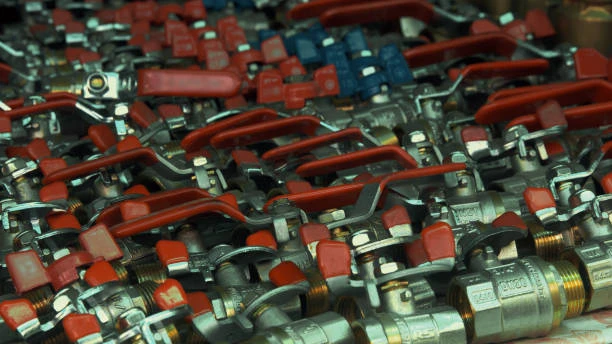
Introduction to Copper Valves and Their Functionality
Copper valves play a vital role in controlling the flow of fluids in various systems, from domestic plumbing to large-scale industrial operations. Understanding the principles behind their design and operation helps in appreciating their importance. Copper valves control the flow of water, gas, steam, or other fluids by opening or closing the valve mechanism, regulating pressure, and ensuring efficient operation within a system. The principles that govern copper valves are largely based on their mechanical design and the material properties of copper itself.
The Basic Mechanism of Valve Operation
At the heart of every copper valve lies a simple yet effective mechanism that controls the flow of fluids. The valve consists of a body, a sealing element (like a ball or disk), and an actuator (such as a handle or motor). When the actuator is manipulated, it either opens or closes the sealing element, allowing or blocking the flow of fluid. The principle behind this operation is straightforward: when the sealing element is in place, it forms a barrier that prevents fluid from passing. When moved, it creates a passage, allowing fluid to flow through. The precision of this mechanism ensures that the system can be controlled effectively and safely.
The Role of Copper in Valve Performance
Copper’s material properties significantly impact the performance of copper valves. Copper is an excellent conductor of heat and electricity, which is why it is often used in systems where temperature regulation is critical. In copper valves, these properties ensure that the valve performs well under high heat or pressure conditions, making them ideal for use in heating systems, steam pipes, and industrial applications. Additionally, copper’s natural corrosion resistance prevents the valve from deteriorating when exposed to water or chemicals, ensuring long-lasting performance. The material’s durability and reliability are fundamental to the valve’s overall function in fluid control systems.
Pressure and Flow Control Principles
One of the key functions of copper valves is regulating the pressure and flow of fluids within a system. The principle behind flow control involves adjusting the position of the valve’s sealing element to increase or decrease the size of the opening. When the valve is partially closed, it restricts the flow, raising the pressure in the upstream section of the system. Conversely, when the valve is fully open, the fluid can flow freely, reducing the pressure and allowing the fluid to travel to its destination. By adjusting the valve, operators can fine-tune the flow and pressure to match the needs of the system.
Sealing and Leak Prevention
A critical principle of copper valve design is ensuring a tight seal to prevent leaks. The sealing element, whether it’s a ball, disc, or other type of mechanism, must fit precisely against the valve body to form a barrier. The principle here is simple: a tight seal prevents fluid from leaking out, ensuring the system remains pressurized and efficient. Over time, wear and tear may affect the seal, but copper’s corrosion resistance ensures that the valve’s sealing surface remains intact longer than valves made from other materials. Additionally, copper valves often incorporate rubber or plastic seals that complement the metal’s natural properties, further improving leak prevention.
Advantages of Copper Valve Design and Function
The principles behind copper valve design offer a number of advantages over valves made from other materials. Copper’s resistance to corrosion ensures that it can be used in various environments without the risk of degradation, even when exposed to harsh chemicals or high temperatures. The material’s high thermal conductivity ensures that copper valves can handle heat transfer efficiently in systems that involve hot fluids. Moreover, copper valves offer greater reliability and longevity because of the durable nature of copper, which withstands wear and tear far better than other metals. These principles make copper valves a cost-effective and efficient solution in both residential and industrial fluid control systems.
Conclusion: Understanding the Core Principles of Copper Valves
The principles behind copper valves—including their basic operation, material properties, flow control mechanisms, and sealing techniques—are crucial to their effectiveness in fluid management systems. Copper valves offer reliable and durable performance thanks to the unique properties of copper, such as its corrosion resistance, high thermal conductivity, and strength. These principles ensure that copper valves can perform under demanding conditions, providing efficiency and longevity to plumbing, heating, and industrial systems. By understanding these core principles, one can fully appreciate why copper valves continue to be a top choice in fluid control applications worldwide.
Contact
IFAN is a professional manufacturer with 30 years of experience, dedicated to producing high-quality plastic pipes, fittings, and valves. Our products include brass valves, PPR valves, as well as various pipes and fittings to meet different customer needs. Whether you need plumbing and drainage pipes or valve products. IFAN can provide a diverse range of high-quality, cost-effective products to support your projects. Below is our contact information.
We will reply your email or fax within 24 hours.
You can call us at any time if there is any question on our production.
Pls Mailto: [email protected]
Whatsapp: + 86 19857948982










Recent Comments