
Introduction to Copper Valve Design
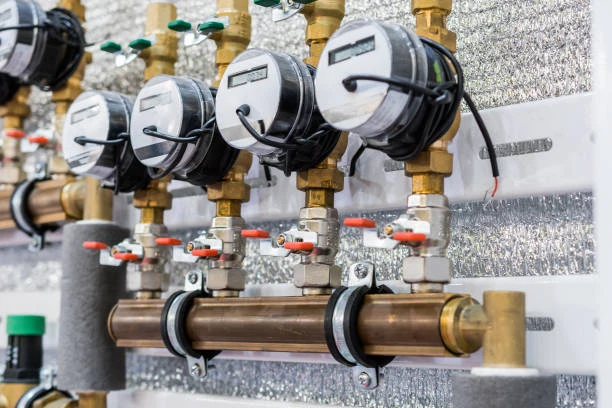
The design of copper valves plays a crucial role in their efficiency and longevity in fluid control systems. These valves are meticulously engineered to handle a variety of tasks, from regulating water flow in residential plumbing to controlling gas or steam in industrial settings. The design process considers factors such as material properties, valve function, ease of maintenance, and system integration. Understanding the design elements of copper valves helps in selecting the right valve for specific applications, ensuring optimal performance and durability.
Materials and Construction
The choice of materials is a cornerstone of copper valve design. Copper, as a material, provides several benefits including excellent corrosion resistance, high thermal conductivity, and durability. In copper valve design, the body is typically crafted from high-quality copper alloys, such as bronze or brass, which offer enhanced strength while maintaining the natural corrosion resistance of pure copper.
Valve Mechanisms and Functionality
The core functionality of a copper valve lies in its internal mechanism, which controls the flow of fluids. Copper valves can feature different types of mechanisms based on their application, including ball valves, globe valves, and gate valves. In ball valves, a rotating ball with a hole in the center serves as the mechanism that controls the flow. As the ball rotates, it opens or closes the flow path. Globe valves, on the other hand, use a movable plug that sits against a seat to control the flow of fluid. The design of these mechanisms ensures precise control of fluid flow, contributing to system efficiency and operational flexibility.
Sealing and Leak Prevention
The sealing system is one of the most critical aspects of copper valve design. For a valve to function properly, it must create a secure seal between the valve components and prevent any fluid from escaping. In copper valves, manufacturers design seals made from materials such as rubber, Teflon, or other elastomers that work in tandem with copper’s natural corrosion resistance. These seals ensure that the valve maintains tight shut-off capabilities and prevents leaks. Additionally, copper’s durability ensures that the valve retains its sealing properties over time, even in systems exposed to extreme conditions such as high temperatures or aggressive chemicals.
Size and Configuration Flexibility
Copper valves are available in a wide range of sizes and configurations, making them adaptable to various systems. The design allows for valves to be tailored to fit different pipe diameters and to control flow rates in both residential and industrial applications. Whether you need a small valve for a home water system or a large valve for an industrial pipeline, copper valve design offers flexibility.
Maintenance and Ease of Use
Maintenance is a key factor in copper valve design, as it impacts the valve’s long-term performance. Copper valves are designed for easy installation and minimal maintenance. The smooth surface of copper, combined with its corrosion resistance, means that copper valves are less likely to clog or degrade, reducing the need for frequent servicing. Additionally, the ease with which these valves can be disassembled and reassembled makes routine maintenance straightforward. Many copper valves feature simple, user-friendly designs that allow operators to quickly adjust, replace parts, or clean the system as needed, without requiring specialized tools or expertise.
Conclusion
The design of copper valves integrates various considerations such as material selection, valve mechanisms. Sealing capabilities, and ease of maintenance to create reliable, durable, and efficient fluid control solutions. The use of high-quality copper alloys ensures that these valves resist corrosion and perform well under a range of environmental conditions. Whether controlling water flow, gas, or steam, copper valve designs deliver the precision and reliability that systems demand. The flexibility in size and configuration further expands their utility, making them an essential component in diverse plumbing, heating, and industrial systems. Understanding the design elements of copper valves helps ensure that they function optimally, providing long-term value for a wide range of applications.
Contact
IFAN is a professional manufacturer with 30 years of experience, dedicated to producing high-quality plastic pipes, fittings, and valves. Our products include brass valves, PPR valves, as well as various pipes and fittings to meet different customer needs. Whether you need plumbing and drainage pipes or valve products. IFAN can provide a diverse range of high-quality, cost-effective products to support your projects. Below is our contact information.
We will reply your email or fax within 24 hours.
You can call us at any time if there is any question on our production.
Pls Mailto: [email protected]
Whatsapp: + 86 19857948982










Recent Comments