
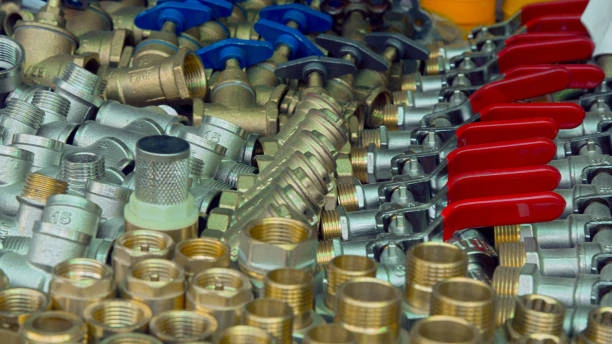
Introduction to Copper Valves and Material Benefits
Copper valves are renowned for their exceptional material properties, which make them suitable for a wide range of applications, from residential plumbing to industrial systems. Copper, as a material, offers a combination of strength, corrosion resistance, thermal conductivity, and ease of fabrication that few materials can match. Understanding these inherent material properties helps in recognizing why copper valves continue to be a preferred choice for fluid control systems in various industries.
Strength and Durability of Copper
One of the key reasons for choosing copper valves is the inherent strength of copper itself. Copper is a relatively soft metal compared to other industrial materials, but it provides excellent durability when used in valves. It is capable of withstanding high pressures, making it suitable for systems that involve water, gas, or steam. Copper’s strength allows the valves to maintain their integrity under demanding conditions, such as fluctuating pressures and temperatures, ensuring long-term reliability and performance.
Corrosion Resistance: A Unique Feature
Copper’s natural resistance to corrosion is one of the standout material properties that make copper valves highly effective in harsh environments. Unlike other metals that rust when exposed to moisture or chemicals, copper forms a protective oxide layer, known as a patina, which shields the metal from further degradation. This corrosion resistance makes copper valves particularly well-suited for applications in plumbing, water treatment, and industrial systems where exposure to water, chemicals, or humidity is frequent. Copper’s ability to resist corrosion significantly extends the lifespan of valves, reducing the need for replacements and repairs.
Thermal Conductivity and Heat Resistance
Copper also offers excellent thermal conductivity, which allows it to efficiently transfer heat. This feature makes copper valve particularly advantageous in systems that involve heating or cooling processes. Whether in heating systems, HVAC systems, or refrigeration, copper valve can withstand high temperatures without degrading or warping. Copper’s thermal properties ensure that it remains stable under thermal stress, providing consistent performance in hot water systems, steam lines, or other heat-sensitive applications.
Ease of Fabrication and Installation
Another significant material advantage of copper is its ease of fabrication. Copper is relatively easy to work with compared to many other metals. It can be easily molded, cut, and shaped without compromising its structural integrity. This makes copper valves simpler to install and maintain in various systems. Whether they require soldering, brazing, or threading, copper valves can be integrated quickly and efficiently into piping systems. The material’s flexibility in fabrication ensures that custom valve solutions can be created for specific applications, further increasing the material’s versatility.
Sustainability and Environmental Impact
Copper’s material properties not only make it highly functional but also environmentally friendly. Copper is a recyclable material, meaning that old copper valves can be melted down and reused without losing any of their original qualities. This sustainability aspect makes copper valves a great choice for eco-conscious businesses and homeowners. Furthermore, copper does not leach harmful substances into the environment, ensuring that it maintains a minimal environmental impact even after long-term use. As industries increasingly focus on sustainability, copper valves continue to offer an eco-friendly solution with long-lasting benefits.
Conclusion
The material properties of copper valves—including strength, corrosion resistance, thermal conductivity, and ease of fabrication—make them an outstanding choice for a variety of applications. Whether in plumbing, HVAC systems, or industrial processes, copper valves provide durability, efficiency, and reliability. Copper’s corrosion resistance ensures that valves remain functional over time, even in challenging environments. Its thermal properties allow it to perform well under high temperatures, while its ease of fabrication simplifies installation. By choosing copper valves, industries and homeowners alike benefit from a high-quality, sustainable material that offers superior performance across many different systems.
Contact
IFAN is a professional manufacturer with 30 years of experience, dedicated to producing high-quality plastic pipes, fittings, and valves. Our products include brass valves, PPR valves, as well as various pipes and fittings to meet different customer needs. Whether you need plumbing and drainage pipes or valve products. IFAN can provide a diverse range of high-quality, cost-effective products to support your projects. Below is our contact information.
We will reply your email or fax within 24 hours.
You can call us at any time if there is any question on our production.
Pls Mailto: [email protected]
Whatsapp: + 86 19857948982







Recent Comments