
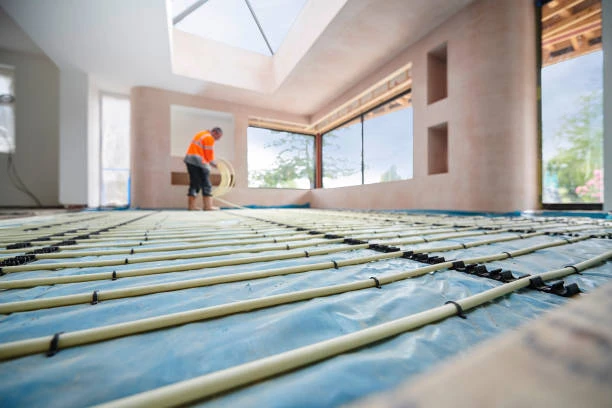
Radiant heat tubing provides exceptional comfort and efficiency in modern heating systems, but its performance and longevity depend heavily on proper inspection and testing throughout its lifecycle. From initial installation verification to long-term maintenance checks, a rigorous inspection protocol ensures system integrity, prevents costly failures, and maintains optimal efficiency. This comprehensive guide explores the critical aspects of testing radiant heat tubing, covering both standard procedures and advanced diagnostic techniques. We will examine common inspection methods, address frequently asked questions about troubleshooting, and explain how regular monitoring contributes to system reliability across various applications. Understanding these inspection principles helps homeowners, technicians, and engineers maintain systems that deliver consistent performance while avoiding potential damage and inefficiency.
Basic Definition and Key Characteristics
Radiant heat tubing consists of flexible pipes, typically made from cross-linked polyethylene (PEX) or similar durable polymers, that circulate heated water through floors, walls, or ceilings to provide comfortable warmth. These systems require careful inspection because they operate hidden within construction assemblies, making early problem detection challenging. The tubing’s smooth interior surface minimizes flow resistance, while its corrosion-resistant properties ensure long-term durability when properly maintained. Key inspection points include checking for proper spacing during installation, verifying pressure integrity, and assessing protection against oxygen permeation. Manufacturers design these tubes to withstand specific temperature and pressure ranges, but installers must confirm that actual operating conditions remain within these limits through systematic testing and monitoring procedures.
Frequently Asked Questions (FAQ)
1. What is the standard pressure testing procedure for new installations?
Technicians typically pressure test radiant heating systems after installation but before covering the tubes. They pressurize the system to 1.5 times the intended operating pressure (usually 75-100 psi) and maintain this pressure for at least 24 hours. Any pressure drop exceeding 2-3 psi indicates potential leaks that require investigation and repair before proceeding with construction. This test verifies the integrity of all connections, fittings, and the tubing itself.
2. How can I locate leaks in embedded tubing systems?
Professional technicians use several methods to locate hidden leaks. They often employ acoustic listening devices that detect the sound of water escaping under pressure. Thermal imaging cameras can identify temperature anomalies where water leaks cool surrounding materials. For more precise location, some technicians inject traceable gases into the system and use sensitive detectors to find escape points. These non-destructive methods help minimize damage during repairs.
3. What maintenance inspections should I perform annually?
Annual maintenance should include checking pressure readings, inspecting mechanical components like pumps and valves, and verifying control system operation. Technicians should also test water quality and check for signs of corrosion or oxygen intrusion. Monitoring system performance through energy consumption patterns can reveal developing issues before they become serious problems. These routine checks help maintain efficiency and prevent unexpected failures.
4. When should I use thermal imaging for inspection?
Thermal imaging cameras are particularly valuable for identifying flow problems, blockages, or air pockets in operating systems. They can reveal temperature variations that indicate uneven heating, which may result from tubing damage, improper installation spacing, or circulation issues. Technicians also use thermal imaging to verify proper system operation after installation or repairs, ensuring heat distribution matches design specifications.
5. How do I test for oxygen diffusion in PEX systems?
Oxygen barrier tubing requires periodic testing to ensure the protective layer remains intact. Professionals use specialized oxygen permeability test kits that measure oxygen levels in the system fluid. Elevated oxygen levels suggest barrier failure, which can lead to corrosion in metal components. Regular fluid analysis and monitoring of corrosion indicators help detect permeation issues before they cause significant damage to system components.
Common Uses and Application Industries
The inspection requirements for radiant heat tubing vary significantly across different applications. In residential construction, technicians focus on verifying proper installation before concrete pouring or floor covering installation. They perform pressure tests and document system layout for future reference. Commercial installations in offices or retail spaces require more comprehensive testing due to larger system size and complex zoning arrangements. Here, professionals conduct flow balancing tests and verify control system operation across multiple zones.
Industrial applications, such as warehouse heating or snow melting systems, demand rigorous pressure testing and frequent maintenance inspections due to higher operating temperatures and mechanical exposure. Agricultural applications in greenhouse heating require special attention to chemical compatibility and UV protection for exposed tubing sections. Across all industries, maintenance professionals use combination testing approaches that include pressure verification, thermal imaging, and fluid analysis to ensure system reliability and longevity. The specific inspection protocol always depends on the application environment, system complexity, and criticality of continuous operation.
Conclusion
In summary, comprehensive inspection and testing protocols form the foundation of reliable radiant heating system operation. From initial pressure tests to advanced diagnostic techniques like thermal imaging and fluid analysis, these procedures ensure system integrity, efficiency, and longevity. Regular maintenance checks help identify potential issues before they develop into costly repairs, while proper documentation supports troubleshooting and future modifications. As radiant heating technology continues to evolve, inspection methods similarly advance with improved diagnostic tools and monitoring technologies. By implementing thorough testing procedures throughout the system lifecycle, installers and maintenance professionals can deliver the consistent comfort and efficiency that make radiant heating such a valuable solution for residential, commercial, and industrial applications.
IFAN’s international standards
IFAN products comply with multiple international standards, including BS 3505, BS 4346, ASTM D1785 SCH40, ASTM D1785 SCH80, DIN, GB, DWV, ASTM D2665, ASTM D2241, ASTM D2729, ASTM F441/F441M, ISO 1452 Series standards, EN ISO 1452, DIN 8061/8062, GB/T 10002 Series standards, AS/NZS 1477, JIS K6741, CSA B137.3, NSF/ANSI 14, TIS 17-2532/1131-2535, among others. These certifications ensure that IFAN piping systems meet global requirements for safety, durability, and performance.
Contact
IFAN is a professional manufacturer with 30 years of experience, dedicated to producing high-quality plastic pipes, fittings, and valves. Our products include brass valves, PPR valves, as well as various pipes and fittings to meet different customer needs. Whether you need plumbing and drainage pipes or valve products. IFAN can provide a diverse range of high-quality, cost-effective products to support your projects. Below is our contact information.
We will reply your email or fax within 24 hours.
You can call us at any time if there is any question on our production.
Pls Mailto:[email protected]





Recent Comments