
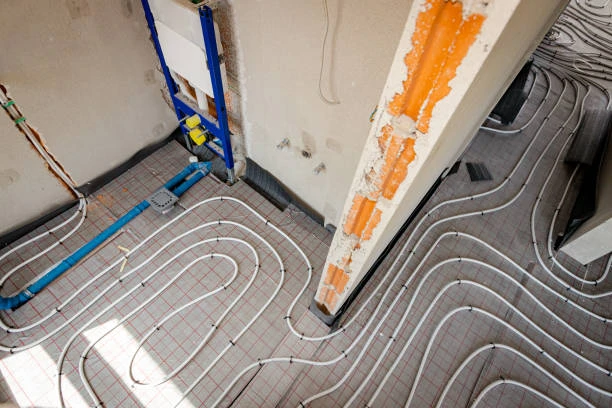
Radiant heat tubing installation requires careful planning and precise execution to ensure optimal system performance and energy efficiency. Proper laying techniques directly impact heat distribution, system responsiveness, and long-term reliability. This comprehensive guide examines best practices for radiant heat tubing installation, covering layout design, subfloor preparation, tubing spacing, and pressure testing. We will explore various installation methods for different floor constructions, address common challenges, and provide practical solutions for both new construction and retrofit projects. Understanding these installation principles helps contractors, architects, and homeowners achieve maximum comfort and efficiency from their radiant heating systems while avoiding potential issues that could affect performance or durability.
Basic Definition and Key Characteristics
Radiant heat tubing consists of flexible cross-linked polyethylene (PEX) or similar polymer pipes that circulate warm water to heat floors, walls, or ceilings. These tubes typically range from 1/2-inch to 3/4-inch diameter and require specific installation considerations. The tubing’s flexibility allows for various layout patterns, while its durability ensures long-term performance under concrete or flooring materials. Key installation factors include proper spacing between tubes, adequate coverage in critical areas, and appropriate manifold placement. The tubing’s thermal expansion characteristics require attention to expansion joints and movement accommodation. Understanding these properties helps installers create efficient systems that deliver consistent warmth while minimizing energy consumption and maintaining structural integrity.
Frequently Asked Questions (FAQ)
1. What is the optimal spacing between radiant heat tubes?
Tube spacing typically ranges from 6 to 12 inches depending on heat loss calculations and floor covering materials. Use closer spacing (6-8 inches) for areas with higher heat loss like exterior walls and larger windows. Standard interior areas generally use 9-12 inch spacing. Always follow engineering specifications for your specific project requirements. Consider tighter spacing for bathroom floors and wider spacing for interior zones with lower heat demand.
2. How do we secure tubing to the subfloor properly?
Use specialized fastening systems designed for radiant heat installation. For wood subfloors, employ staple-up systems with insulation panels and dedicated tubing staples. For concrete slabs, use rebar mesh and zip ties or specialized plastic rails. Never over-tighten fasteners that might compress the tubing. Ensure secure attachment while allowing for thermal expansion movement.
3. What are the best practices for manifold installation and zoning?
Install manifolds in accessible locations with adequate clearance for service. Use balanced flow design with equal length loops from the manifold. Label all supply and return lines clearly at the manifold. Include isolation valves and flow meters for individual loop control. Create zoning based on room usage and orientation rather than floor area alone.
4. How should we handle tubing installation around obstacles?
Maintain minimum bending radii specified by the tubing manufacturer. Use gradual curves rather than sharp bends when changing direction. Keep tubing at least 6 inches from toilet flanges, drain pipes, and other plumbing fixtures. Install sleeving where tubes pass through structural elements or expansion joints.
5. What pressure testing procedures should we follow during installation?
Pressure test the system after installing each zone before covering the tubes. Use clean water and gradually increase pressure to 1.5 times operating pressure, typically 60-75 PSI. Maintain pressure for 24 hours while monitoring for pressure drops. Document pressure readings at the start and end of the test period. Repair any leaks before proceeding with concrete pouring or floor covering installation.
Common Uses and Application Industries
Radiant heat tubing installation techniques vary across different applications and industries. Residential construction typically involves staple-up installations for wood frame floors or embedded tubes in concrete slabs. Commercial buildings often use suspended tube systems with aluminum heat transfer plates for faster response times. Industrial applications employ heavy-duty installation methods for warehouse floors and manufacturing facilities. Snow melt systems require specific spacing and layout considerations for driveways and walkways. Agricultural installations in greenhouses need specialized mounting systems that accommodate growing operations. Renovation projects often use low-profile installation systems that minimize floor height increase. Each application requires tailored installation approaches that address specific thermal requirements, structural considerations, and usage patterns while ensuring efficient heat distribution and system longevity.
Conclusion
In summary, proper radiant heat tubing installation requires attention to detail throughout the entire process from planning to final testing. Careful layout design, precise tube placement, and thorough pressure testing ensure optimal system performance and longevity. Different applications demand specific installation techniques that address their unique requirements while maintaining fundamental principles of heat distribution and system integrity. By following best practices and manufacturer guidelines, installers can create efficient, reliable radiant heating systems that provide exceptional comfort and energy efficiency. The continued development of installation methods and materials will further improve system performance and accessibility, making radiant heating an increasingly attractive option for various heating applications. Proper installation remains the foundation for achieving all the benefits that radiant heat systems offer to homeowners and building occupants.
IFAN’s international standards
IFAN products comply with multiple international standards, including BS 3505, BS 4346, ASTM D1785 SCH40, ASTM D1785 SCH80, DIN, GB, DWV, ASTM D2665, ASTM D2241, ASTM D2729, ASTM F441/F441M, ISO 1452 Series standards, EN ISO 1452, DIN 8061/8062, GB/T 10002 Series standards, AS/NZS 1477, JIS K6741, CSA B137.3, NSF/ANSI 14, TIS 17-2532/1131-2535, among others. These certifications ensure that IFAN piping systems meet global requirements for safety, durability, and performance.
Contact
IFAN is a professional manufacturer with 30 years of experience, dedicated to producing high-quality plastic pipes, fittings, and valves. Our products include brass valves, PPR valves, as well as various pipes and fittings to meet different customer needs. Whether you need plumbing and drainage pipes or valve products. IFAN can provide a diverse range of high-quality, cost-effective products to support your projects. Below is our contact information.
We will reply your email or fax within 24 hours.
You can call us at any time if there is any question on our production.
Pls Mailto:[email protected]










Recent Comments