
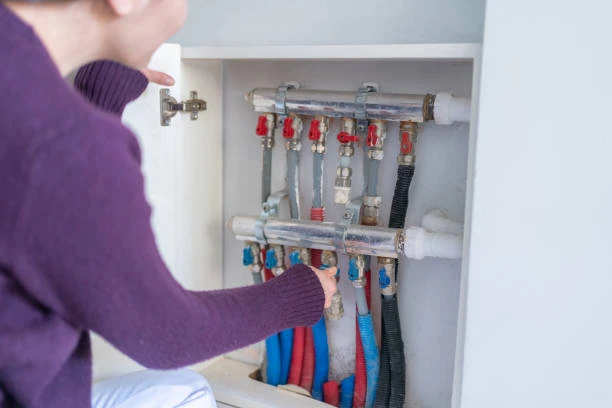
Radiant heat tubing is revolutionizing the way we think about heating systems, not just for its comfort and efficiency but for its significant environmental benefits. As the world increasingly focuses on sustainable building practices and reducing carbon footprints, this technology offers a practical solution for eco-conscious homeowners and businesses alike. By efficiently distributing heat through water circulating in durable pipes, typically embedded in floors or walls, radiant systems minimize energy waste and operate with remarkable cleanliness. This guide explores the green credentials of radiant heat tubing, examining how its design, operation, and longevity contribute to a healthier planet. We will answer common questions about its environmental impact, detail its sustainable features, and highlight the industries where it makes the biggest ecological difference.
Basic Definition and Key Characteristics
Radiant heat tubing refers to a network of pipes, often made from cross-linked polyethylene (PEX) or other durable polymers, that circulate warm water to provide heating directly to surfaces like floors and walls. This method is fundamentally more efficient than forced-air systems because it eliminates duct losses and directly heats people and objects. Environmentally, the tubing itself is a standout; high-quality PEX is long-lasting, corrosion-resistant, and often made using processes that reduce material waste. Many modern tubes also incorporate recycled content, further lowering their manufacturing footprint. The system’s closed-loop design means it uses water efficiently, requiring minimal replenishment over its decades-long lifespan. Furthermore, its compatibility with low-temperature energy sources, like solar thermal systems or heat pumps, allows it to maximize the use of renewable energy, drastically cutting greenhouse gas emissions.
Frequently Asked Questions (FAQ)
1. How does radiant tubing improve energy efficiency?
Radiant systems operate at lower water temperatures than traditional radiator systems, which significantly reduces energy consumption. They deliver heat directly to the occupied space and thermal mass, eliminating the energy losses common in ductwork. This efficiency can lower heating energy use by 15-30%, directly reducing the environmental impact associated with fossil fuel combustion or electricity generation.
2. Are the materials in the tubing environmentally friendly?
Many manufacturers now produce PEX tubing with a focus on sustainability. This includes using lead-free stabilizers, reducing chemical additives, and incorporating recycled materials. Furthermore, the exceptional durability of the tubing means it won’t need replacement for decades, minimizing waste generation from maintenance and renovations.
3. Can these systems integrate with renewable energy?
Absolutely. Radiant heating is ideal for use with renewable energy sources. Its low operating temperature makes it perfectly matched for solar thermal panels and geothermal heat pumps. This synergy allows buildings to function with near-zero operational carbon emissions, leveraging free energy from the sun or the ground.
4. What is the environmental impact of installation?
While installation requires energy and resources, the long-term benefits far outweigh this initial footprint. The system’s high efficiency and longevity amortize this impact over many years. Additionally, because the tubing is lightweight and flexible, it often requires less energy to transport and install compared to bulky traditional heating equipment.
5. How does radiant heating improve indoor air quality?
Unlike forced-air systems that can circulate dust, allergens, and mold, radiant heating operates entirely through silent radiation and convection. It doesn’t blow air around, which creates a much healthier indoor environment. This reduces the incidence of respiratory problems and eliminates the need for energy-consuming air filters, providing both health and indirect environmental benefits.
Common Uses and Application Industries
The environmental benefits of radiant heat tubing make it a preferred choice across a wide range of sectors. In residential construction, homeowners use it to create energy-efficient, healthy living spaces that significantly reduce utility bills and carbon emissions. The commercial building industry embraces it for offices, schools, and hospitals, where its zoning capabilities allow for heating only occupied spaces, preventing energy waste. In industrial settings, such as warehouses and manufacturing facilities, its efficient large-space heating cuts down on massive energy consumption. The agricultural sector also utilizes it in greenhouses, providing consistent warmth for plants with minimal energy input. Even in snow melt applications for driveways and sidewalks, it offers an efficient alternative to energy-intensive plowing and chemical deicers, preventing harmful runoff into ecosystems.
Conclusion
In summary, radiant heat tubing presents a powerful tool for sustainable building and responsible energy use. Its core design promotes exceptional efficiency, seamlessly integrates with renewable energy sources, and contributes to healthier indoor environments. From the eco-friendly materials used in its construction to its decades of low-impact operation, this technology demonstrates that comfort and environmental responsibility can go hand in hand. As more industries and homeowners seek to reduce their ecological footprint, radiant heating systems stand out as a proven, reliable, and profoundly green solution for the future of thermal comfort.
IFAN’s international standards
IFAN products comply with multiple international standards, including BS 3505, BS 4346, ASTM D1785 SCH40, ASTM D1785 SCH80, DIN, GB, DWV, ASTM D2665, ASTM D2241, ASTM D2729, ASTM F441/F441M, ISO 1452 Series standards, EN ISO 1452, DIN 8061/8062, GB/T 10002 Series standards, AS/NZS 1477, JIS K6741, CSA B137.3, NSF/ANSI 14, TIS 17-2532/1131-2535, among others. These certifications ensure that IFAN piping systems meet global requirements for safety, durability, and performance.
Contact
IFAN is a professional manufacturer with 30 years of experience, dedicated to producing high-quality plastic pipes, fittings, and valves. Our products include brass valves, PPR valves, as well as various pipes and fittings to meet different customer needs. Whether you need plumbing and drainage pipes or valve products. IFAN can provide a diverse range of high-quality, cost-effective products to support your projects. Below is our contact information.
We will reply your email or fax within 24 hours.
You can call us at any time if there is any question on our production.
Pls Mailto:[email protected]





Recent Comments