
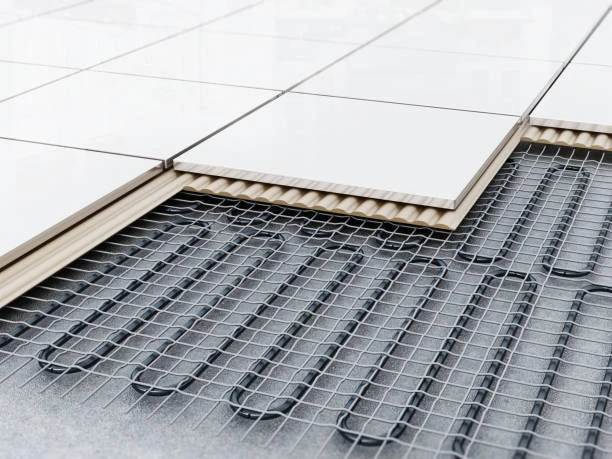
Imagine entering a room that welcomes you with perfect, even warmth that seems to emanate from every surface—a comfort that conventional heating systems simply cannot match. This exceptional experience demonstrates the remarkable functionality of radiant heat tubing, the core component of modern hydronic heating systems. These specialized tubes do much more than simply carry warm water; they create superior thermal comfort, improve energy efficiency, and provide versatile heating solutions for countless applications. Unlike forced-air systems that heat air first, radiant tubing warms objects and surfaces directly, mimicking the sun’s natural heating method. This comprehensive guide explores the multiple functions of radiant heat tubing, answering common questions, explaining its unique characteristics, and examining its diverse applications across industries. Understanding how this technology works will help you appreciate why it represents such a significant advancement in heating comfort and efficiency for homes, businesses, and industrial facilities.
Frequently Asked Questions (FAQ)
1. What exactly does radiant heat tubing do in a heating system?
Radiant heat tubing serves as the delivery system for warmth in hydronic heating systems. It circulates heated water from a boiler or heat pump through continuous loops installed beneath floors, within walls, or inside ceilings. The tubing transfers thermal energy to surrounding surfaces, which then radiate heat evenly throughout the space.
2. How does radiant heat tubing improve energy efficiency?
The system operates at lower water temperatures than conventional radiators, reducing energy consumption. It minimizes heat loss through strategic installation and excellent insulation. The thermal mass created by embedded tubing continues radiating heat even after the system cycles off. Zoned heating capability allows precise temperature control in different areas, eliminating energy waste in unused spaces.
3. Can radiant heat tubing provide both heating and cooling?
Yes, with the right system design, radiant tubing can provide cooling as well as heating. When connected to a compatible heat source like a geothermal system, the same tubing can circulate chilled water through the floors. This reverse operation creates gentle, effective cooling without the drafts or noise associated with traditional air conditioning systems.
4. How does radiant heat tubing affect indoor air quality?
Radiant systems significantly improve indoor air quality by eliminating forced air circulation. They don’t blow allergens, dust, or other particles throughout the space. The system maintains optimal humidity levels better than forced-air heating.
5. What maintenance does radiant heat tubing require?
Properly installed radiant tubing requires minimal maintenance. Regular checks of the manifold and heat source ensure optimal performance. The tubing itself typically lasts decades without needing attention. Annual pressure checks and occasional system flushing maintain peak efficiency throughout its lifespan.
Basic Definition and Key Characteristics
Radiant heat tubing consists of flexible, durable pipes that form the central distribution network for hydronic heating and cooling systems. These tubes typically measure between 3/8 inch and 3/4 inch in diameter, with specific sizes chosen based on heat load requirements and system design. Installers arrange the tubing in carefully planned patterns, usually spaced 6 to 12 inches apart, to ensure even heat distribution across entire surfaces.
This specialized tubing demonstrates several exceptional functional characteristics. It possesses excellent thermal conductivity, efficiently transferring heat from water to surrounding materials. The flexible nature allows installation in various configurations without joints or connections within the heated surface. Modern materials resist chemical degradation and maintain structural integrity across wide temperature ranges. The smooth interior surfaces minimize flow resistance, reducing pump energy requirements.
Radiant tubing systems operate with exceptional silence since they contain no moving parts within the living space. They provide responsive heating through quick heat transfer and thermal mass utilization. The technology enables precise temperature control through zoning capabilities and modern thermostats. These systems distribute heat more evenly than any other heating method, eliminating cold spots and vertical temperature stratification.
Common Uses and Application Industries
Radiant heat tubing serves numerous functional applications across residential, commercial, and industrial sectors. In homes, it provides comfortable floor heating in bathrooms, kitchens, and living areas. Whole-house radiant systems offer complete heating solutions that eliminate the need for traditional radiators or forced-air systems. Snow melt systems for driveways, walkways, and stairways prevent ice accumulation and enhance safety.
The commercial construction industry extensively utilizes radiant tubing for its multiple functional benefits. Office buildings benefit from its space-saving design and elimination of visible heating equipment. Hotels and spas appreciate the luxury of warm floors and consistent comfort that enhances guest experiences. Healthcare facilities value the improved air quality and precise temperature control for patient comfort and recovery.
Industrial applications leverage radiant tubing’s reliability and efficiency. Warehouses use under-floor systems to maintain comfortable working temperatures without interfering with storage space. Manufacturing facilities employ radiant heating for process temperature maintenance and freeze protection. Agricultural operations use it for greenhouse heating, livestock comfort, and crop protection.
Sports facilities install radiant tubing under playing surfaces to extend seasons and ensure optimal conditions. Transportation infrastructure incorporates it into bridge decks, train platforms, and airport runways for snow and ice removal. Even the energy sector uses similar technology for solar thermal collection and distribution systems.
Conclusion
In conclusion, radiant heat tubing serves as the foundation for one of the most comfortable, efficient, and versatile heating systems available today. Its multiple functions extend far beyond simple warmth delivery to include energy efficiency, improved air quality, and design flexibility. The technology continues evolving, with new materials and installation methods making it increasingly accessible for various applications.
Understanding the complete functionality of radiant heat tubing helps homeowners make informed decisions about comfort investments. It enables professionals to design superior systems that maximize performance and user satisfaction. As we embrace more sustainable building practices, radiant heating stands out as a technology that complements renewable energy sources and reduces environmental impact.
The future of radiant heat tubing appears bright, with ongoing innovations making systems more efficient and easier to install. Whether for new construction or retrofits, residential comfort or industrial applications, this technology offers compelling benefits that make it worth serious consideration. Embracing radiant heating means investing in superior comfort, significant energy savings, and a more sustainable approach to temperature control that will serve users well for decades to come.
IFAN’s international standards
IFAN products comply with multiple international standards, including BS 3505, BS 4346, ASTM D1785 SCH40, ASTM D1785 SCH80, DIN, GB, DWV, ASTM D2665, ASTM D2241, ASTM D2729, ASTM F441/F441M, ISO 1452 Series standards, EN ISO 1452, DIN 8061/8062, GB/T 10002 Series standards, AS/NZS 1477, JIS K6741, CSA B137.3, NSF/ANSI 14, TIS 17-2532/1131-2535, among others. These certifications ensure that IFAN piping systems meet global requirements for safety, durability, and performance.
Contact
IFAN is a professional manufacturer with 30 years of experience, dedicated to producing high-quality plastic pipes, fittings, and valves. Our products include brass valves, PPR valves, as well as various pipes and fittings to meet different customer needs. Whether you need plumbing and drainage pipes or valve products. IFAN can provide a diverse range of high-quality, cost-effective products to support your projects. Below is our contact information.
We will reply your email or fax within 24 hours.
You can call us at any time if there is any question on our production.
Pls Mailto:[email protected]








Recent Comments