
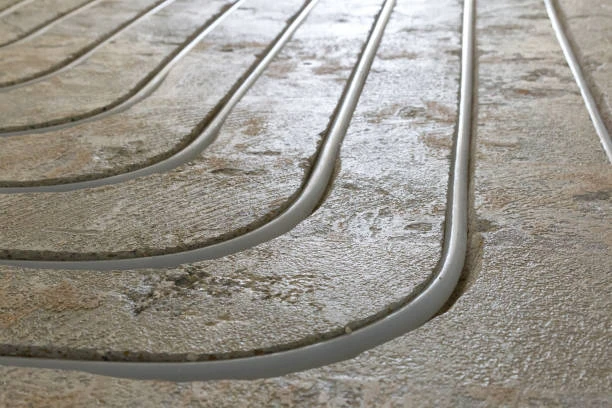
Imagine stepping onto a warm bathroom floor on a chilly winter morning or enjoying consistent, draft-free warmth throughout your entire home. This exceptional comfort becomes possible through one innovative technology: radiant heat tubing. These specialized tubes form the hidden circulatory system of modern radiant heating, silently delivering warmth through floors, walls, and even ceilings. Unlike traditional forced-air systems that heat air, radiant systems warm objects and surfaces directly, creating a more natural and efficient heating experience. This comprehensive guide introduces you to everything about radiant heat tubing, from its fundamental principles to its diverse applications. We will answer common questions, explore key characteristics, and examine how this technology serves various industries. Whether you’re a homeowner considering a new heating system or a professional exploring options, understanding radiant heat tubing will help you appreciate its significant benefits for comfort, efficiency, and sustainable living.
Frequently Asked Questions (FAQ)
1. How does radiant heat tubing actually work?
Radiant heat tubing circulates warm water beneath floors, within walls, or through ceilings. The system connects to a heat source like a boiler or heat pump. Warm water flows through the continuous loops of tubing, transferring heat to the surrounding mass. This mass then radiates warmth evenly throughout the space, creating comfortable living environments.
2. What materials are commonly used for radiant heat tubing?
Most modern systems use PEX (cross-linked polyethylene) tubing. PEX offers excellent flexibility, durability, and corrosion resistance. Some systems use PEX-AL-PEX, which features an aluminum layer for oxygen barrier protection. Rubber tubes serve specific applications, while copper tubing remains an option despite higher cost and installation complexity.
3. How long does radiant heat tubing typically last?
High-quality radiant heat tubing boasts an impressive lifespan. Most manufacturers provide 25-year warranties, but the tubing often lasts It depends on the actual situation. or more. The materials resist corrosion and degradation exceptionally well. The system requires minimal maintenance when properly installed and operated within recommended parameters.
4. Can radiant heat tubing work with renewable energy sources?
Yes, radiant systems pair excellently with renewable energy. They operate efficiently at lower temperatures than conventional systems. This makes them ideal for geothermal heat pumps, solar thermal systems, and other sustainable energy sources. The combination significantly reduces carbon footprint and operating costs.
5. Is radiant heat tubing suitable for both new construction and retrofits?
Absolutely. Installers can easily incorporate tubing into new concrete slabs or floor assemblies. For retrofits, they can use low-profile systems between existing joists or above subfloors. While retrofits may require more planning, they deliver the same exceptional comfort and efficiency as new installations.
Basic Definition and Key Characteristics
Radiant heat tubing comprises flexible, durable pipes that form closed-loop systems for hydronic heating. These tubes typically measure between 1/4 inch and 1 inch in diameter, with 1/2 inch and 5/8 inch being most common for residential applications. The tubing gets installed in specific patterns, usually spaced 6 to 12 inches apart, depending on heat output requirements and system design.
Modern radiant tubes exhibit several remarkable characteristics. They offer exceptional flexibility, allowing installation in various configurations without joints or connections within the floor. The materials demonstrate high resistance to chemical degradation and scale buildup. They maintain structural integrity across temperature ranges from freezing to 200°F (93°C). The smooth interior surfaces minimize flow resistance, enhancing system efficiency.
These systems operate significantly quieter than forced-air alternatives since they involve no blowers or moving parts. They provide zoned heating capability, allowing different temperature settings for various areas. Radiant tubing distributes heat more evenly than other systems, eliminating cold spots and temperature stratification. The technology also improves indoor air quality by minimizing air movement and allergen circulation.
Common Uses and Application Industries
Radiant heat tubing serves numerous applications across residential, commercial, and industrial sectors. In homes, it provides comfortable floor heating in bathrooms, kitchens, and living areas. Whole-house radiant systems offer comprehensive heating solutions that eliminate the need for traditional radiators or forced-air systems. Snow melt systems for driveways, walkways, and stairways prevent ice accumulation and enhance safety.
The commercial construction industry extensively uses radiant tubing. Office buildings benefit from its silent operation and elimination of visible heating equipment. Hotels and spas appreciate the luxury of warm floors and consistent comfort. Hospitals and healthcare facilities value the improved air quality and precise temperature control. Agricultural applications include greenhouse heating, livestock floor warming, and crop drying processes.
Industrial facilities utilize radiant systems for warehouse heating, process temperature maintenance, and freeze protection. Sports facilities install them under turf fields to extend playing seasons and prevent freezing. Bridge decks and parking garages incorporate snow melt systems for enhanced safety. Even the aviation industry uses radiant heating for aircraft hangars and ramp areas.
Each application leverages the unique benefits of radiant heat tubing: efficiency, comfort, reliability, and design flexibility. The technology continues evolving, finding new applications across various industries where precise temperature control and energy efficiency matter.
Conclusion
In conclusion, radiant heat tubing represents a sophisticated yet practical heating solution that transcends traditional comfort expectations. Its ability to deliver consistent, efficient warmth through simple principles makes it increasingly popular across diverse applications. The technology continues advancing, with improvements in materials, installation methods, and control systems enhancing its performance and accessibility.
Understanding radiant heat tubing helps homeowners make informed decisions about comfort investments. It enables professionals to design better systems that maximize efficiency and client satisfaction. As we move toward more sustainable building practices, radiant heating stands out as a technology that complements renewable energy sources and reduces environmental impact.
The future of radiant heat tubing looks promising, with ongoing innovations making systems more affordable and easier to install. Whether for new construction or retrofits, residential comfort or industrial applications, this technology offers compelling benefits that make it worth serious consideration. Embracing radiant heating means investing in superior comfort, significant energy savings, and a more sustainable approach to temperature control that will serve users well for decades to come.
IFAN’s international standards
IFAN products comply with multiple international standards, including BS 3505, BS 4346, ASTM D1785 SCH40, ASTM D1785 SCH80, DIN, GB, DWV, ASTM D2665, ASTM D2241, ASTM D2729, ASTM F441/F441M, ISO 1452 Series standards, EN ISO 1452, DIN 8061/8062, GB/T 10002 Series standards, AS/NZS 1477, JIS K6741, CSA B137.3, NSF/ANSI 14, TIS 17-2532/1131-2535, among others. These certifications ensure that IFAN piping systems meet global requirements for safety, durability, and performance.
Contact
IFAN is a professional manufacturer with 30 years of experience, dedicated to producing high-quality plastic pipes, fittings, and valves. Our products include brass valves, PPR valves, as well as various pipes and fittings to meet different customer needs. Whether you need plumbing and drainage pipes or valve products. IFAN can provide a diverse range of high-quality, cost-effective products to support your projects. Below is our contact information.
We will reply your email or fax within 24 hours.
You can call us at any time if there is any question on our production.
Pls Mailto:[email protected]





Recent Comments