
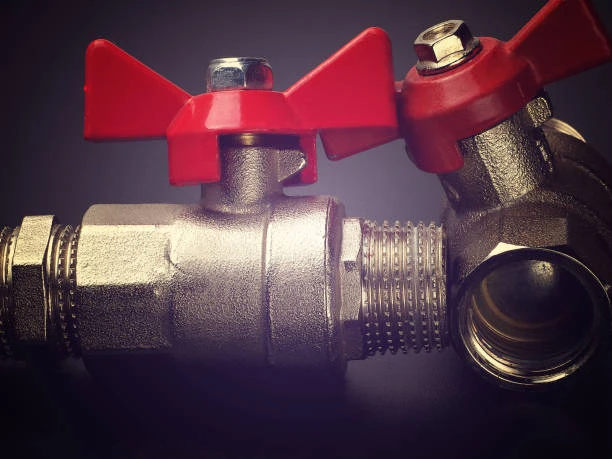
Copper valves play a vital role in various industries, from plumbing to industrial systems, due to their durability, resistance to corrosion, and excellent thermal conductivity. However, the price of copper valves is not just influenced by economic factors but also by environmental considerations. The environmental impact of copper valve production, the use of copper as a raw material, and its long-term sustainability are all significant aspects that affect pricing and overall industry practices. This article delves into the environmental factors related to the price of copper valves and how these considerations shape the industry.
Copper Mining and Environmental Costs
The production of copper valves begins with copper mining, a process that has significant environmental implications. Mining copper requires large-scale extraction of raw materials from the earth, which can lead to habitat destruction, water pollution, and increased carbon emissions. The environmental costs of copper mining often contribute to the price of copper valves, as manufacturers face rising costs for sustainably sourced copper. As demand for copper increases, mining operations expand, and with that expansion comes a higher environmental footprint. The increased awareness of these environmental impacts has led to a demand for more sustainable mining practices, which can further increase the cost of copper.
Energy Consumption in Copper Valve Production
The manufacturing process for copper valves is energy-intensive. From the extraction of copper to its processing and transformation into valves, the amount of energy required for production is substantial. High energy consumption often leads to higher carbon emissions, contributing to global climate change. As industries strive to reduce their carbon footprint, manufacturers are increasingly adopting more energy-efficient technologies, such as renewable energy sources, to power their operations. The greater the push for energy-efficient production, the higher the associated costs for manufacturers.
Recycling and Sustainability of Copper
Copper is one of the most recyclable materials available, and its recycling process has a far smaller environmental impact compared to mining new copper. The demand for recycled copper has grown significantly as industries and consumers push for more sustainable practices. Recycled copper can reduce the need for new copper extraction, helping to decrease the environmental costs associated with mining. The price of copper valves may fluctuate based on the availability of recycled copper and its ability to meet the market’s demands. As the availability of recycled copper increases, manufacturers may be able to lower production costs, thus reducing the overall price of copper valves. However, the supply of recycled copper is not always consistent, and its availability can influence the price.
Environmental Regulations and Compliance
Governments and regulatory bodies around the world have introduced various environmental regulations aimed at reducing the environmental impact of industrial production, including the manufacturing of copper valves. These regulations often require manufacturers to comply with strict standards related to emissions, waste management, and resource consumption. Compliance with these environmental standards often leads to higher operational costs for manufacturers, which can result in higher prices for copper valves.
Transport and Distribution Impact
The environmental impact of transporting raw copper and finished copper valves contributes to the overall environmental cost of the product. Copper is often mined in one part of the world, processed in another, and then distributed globally. Transportation of copper valves requires fuel, which leads to carbon emissions. The longer the supply chain, the more significant the environmental impact. To address this, some manufacturers are optimizing their logistics, reducing shipping distances, or adopting eco-friendly transportation methods. These efforts to minimize the carbon footprint can add to the cost of copper valves, as businesses bear the cost of adopting more sustainable practices in distribution.
Consumer Demand for Eco-friendly Products
As consumers become more environmentally conscious, they increasingly seek products that are sustainable and eco-friendly. This shift in consumer behavior is influencing the copper valve market, as manufacturers are pushed to adopt greener production methods and source materials more responsibly. The price of copper valves may increase if manufacturers opt for more sustainable practices, such as using certified sustainable copper, reducing waste, or ensuring that their products have a lower environmental impact. While this shift toward sustainability may lead to higher prices in the short term, it can also foster long-term environmental benefits, such as a reduced carbon footprint and lower resource consumption.
End-of-Life and Disposal Considerations
The environmental impact of copper valves extends beyond their production and use. As the demand for more sustainable products grows, manufacturers are increasingly focusing on making copper valves that are easier to recycle and have fewer harmful coatings. The price of copper valves can be influenced by these design choices, as producing valves that are easier to recycle may require additional investments in research and development. However, the long-term environmental benefits of designing valves with sustainability in mind are significant, potentially reducing the overall ecological impact.
Conclusion
The price of copper valves is intricately tied to environmental factors, ranging from the mining and production processes to the sustainability of copper as a resource. The environmental costs of copper extraction, energy consumption, transportation, and disposal all contribute to the final price of copper valves. Additionally, as industries and consumers place greater emphasis on sustainability, the demand for eco-friendly manufacturing processes and recyclable products continues to rise. While these environmentally conscious efforts may result in higher initial prices, they promote long-term benefits for both the environment and the industry. Understanding the environmental aspects of copper valve pricing helps businesses and consumers make more informed decisions and support practices that reduce the overall ecological footprint of valve production.
Contact
IFAN is a professional manufacturer with 30 years of experience, dedicated to producing high-quality plastic pipes, fittings, and valves. Our products include brass valves, PPR valves, as well as various pipes and fittings to meet different customer needs. Whether you need plumbing and drainage pipes or valve products. IFAN can provide a diverse range of high-quality, cost-effective products to support your projects. Below is our contact information.
We will reply your email or fax within 24 hours.
You can call us at any time if there is any question on our production.
Pls Mailto: [email protected]
Whatsapp: + 86 19857948982







Recent Comments