
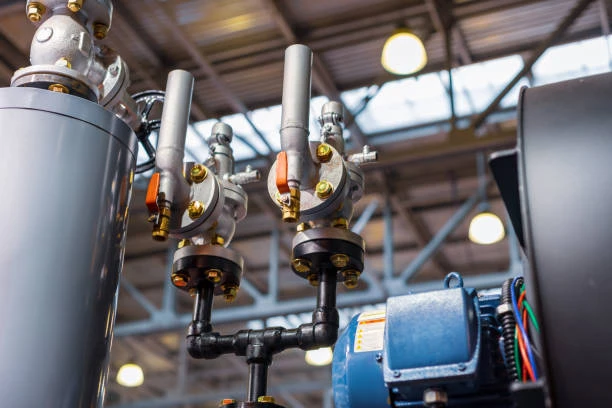
The price of copper valves is subject to fluctuations due to a variety of factors, both internal and external to the industry. As copper continues to be a critical material for manufacturing high-performance valves, price changes directly influence businesses, industries, and consumers alike. Understanding the reasons behind these price changes helps businesses prepare for the market shifts and make strategic decisions. This article explores the primary factors that cause the price of copper valves to change and the effects of these variations on different sectors.
Global Copper Market Trends
The price of copper valves is heavily influenced by the global copper market. Copper, as a raw material, experiences frequent price changes depending on the dynamics of supply and demand. When the global demand for copper rises, for example, due to an increase in industrial production or infrastructure development, copper prices tend to rise as well. This increase in the cost of raw copper directly impacts the price of copper valves. Similarly, when demand decreases or when new sources of copper are discovered, prices may fall, which in turn affects the cost of copper valves. Market speculation and trends, driven by global events or technological advancements, also contribute to these price fluctuations.
Impact of Economic Cycles
Economic cycles play a significant role in determining the price of copper valves. During periods of economic growth, industries that use copper valves, such as construction, manufacturing, and energy, typically experience higher demand for these products. This increased demand leads to a rise in copper valve prices as manufacturers strive to meet the needs of a booming market. On the other hand, during economic downturns, demand often slows, causing the price of copper valves to decrease. Economic conditions like inflation, trade tariffs, and the strength of the global economy all contribute to price changes, making copper valve prices sensitive to broader economic trends.
Supply Chain Disruptions
Supply chain disruptions, whether caused by natural disasters, geopolitical tensions, or logistical challenges, can cause sudden fluctuations in the price of copper valves. If disruptions occur in the transportation or availability of copper, manufacturers may struggle to secure the necessary materials, leading to price increases. Additionally, delays in production, factory closures, or labor shortages can slow down the manufacturing process, limiting the supply of copper valves. These factors contribute to a supply-demand imbalance, which can push prices higher. Conversely, when supply chains are stable and transportation costs are low, prices may stabilize or decrease.
Technological Innovations and Manufacturing Efficiency
Advancements in technology and improvements in manufacturing efficiency can lead to price changes in copper valves. New manufacturing techniques, automation, or better use of resources can lower production costs, making it possible for manufacturers to offer copper valves at more competitive prices. Conversely, if new technologies require expensive investments in machinery or research and development, the cost of copper valves may temporarily rise until these investments are amortized. Technological changes that enhance the durability, functionality, or features of copper valves, such as pressure regulation or corrosion resistance, may also affect the pricing. As innovation continues, these changes may make higher-quality valves more accessible at lower prices over time.
Regulatory and Environmental Factors
Regulatory and environmental factors can also cause fluctuations in the price of copper valves. New environmental regulations may require manufacturers to adopt greener production methods or use eco-friendly materials, which can increase production costs. Changes in governmental policies, such as tariffs on imported copper or new safety standards, can also lead to higher prices for copper valves. These changes may be passed on to consumers in the form of higher prices for valves that comply with new regulations. On the other hand, when environmental and regulatory requirements ease or when manufacturers find cost-effective ways to comply, the prices of copper valves may decrease.
Market Competition and Supplier Strategies
Market competition plays a significant role in how the price of copper valves changes. In highly competitive markets, manufacturers often lower their prices to gain market share or attract more customers. When competition intensifies, especially in regions with many suppliers, the pressure to maintain price competitiveness increases, leading to price reductions. However, in monopolistic or less competitive markets, suppliers may raise prices, knowing that buyers have fewer alternatives. Changes in the strategies of major suppliers, such as price adjustments, promotional offers, or product bundling, can directly impact the price of copper valves, either lowering or raising the overall market price.
Global Trade and Currency Fluctuations
Global trade policies and currency fluctuations can significantly influence the price of copper valves. As copper is traded globally, changes in trade agreements or tariffs can either increase or decrease the cost of copper valves, especially for international buyers. Trade restrictions, import/export tariffs, or political tensions between countries can drive up the price of imported copper valves, forcing manufacturers to adjust their pricing to account for these additional costs. Furthermore, fluctuations in currency exchange rates impact the pricing of copper valves on the international market. When the value of a country’s currency decreases relative to others, it can make imports more expensive, leading to price increases for copper valves.
Conclusion
The price of copper valves is subject to numerous factors, including global copper market trends, economic cycles, supply chain disruptions, technological innovations, regulatory changes, market competition, and global trade dynamics. Each of these factors interacts in a way that causes price fluctuations, making it essential for businesses and consumers to stay informed about market conditions. While price increases are often the result of higher demand or external disruptions, price decreases can occur as manufacturing efficiencies improve or global conditions stabilize. Understanding the reasons behind these price changes helps businesses make more informed decisions and anticipate future costs.
Contact
IFAN is a professional manufacturer with 30 years of experience, dedicated to producing high-quality plastic pipes, fittings, and valves. Our products include brass valves, PPR valves, as well as various pipes and fittings to meet different customer needs. Whether you need plumbing and drainage pipes or valve products. IFAN can provide a diverse range of high-quality, cost-effective products to support your projects. Below is our contact information.
We will reply your email or fax within 24 hours.
You can call us at any time if there is any question on our production.
Pls Mailto: [email protected]
Whatsapp: + 86 19857948982











Recent Comments