
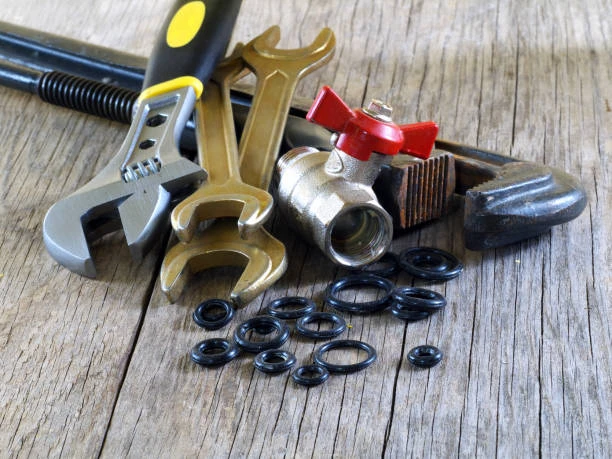
Copper valves are essential components in various industries, including plumbing, heating, and industrial applications. As a key material in the production of these valves, copper plays a significant role in determining the final price of the product. The price of copper valves fluctuates due to numerous market dynamics, which are influenced by supply and demand, manufacturing processes, and global economic conditions. This article explores the factors shaping the market for copper valves and how these dynamics affect pricing trends.
Global Copper Supply and Demand
The primary driver behind the price of copper valves is the supply and demand for copper itself. Copper is a finite resource, and its availability can be influenced by factors such as mining output, geopolitical tensions, and international trade agreements. When the supply of copper decreases, whether due to disruptions in mining operations or natural disasters, the price of copper rises. Conversely, when mining operations increase or alternative sources of copper are discovered, prices tend to fall. The price fluctuations in copper directly impact the cost of copper valves. For example, when copper prices surge due to global supply shortages, manufacturers are forced to raise the price of copper valves to maintain profitability.
Production Costs and Manufacturing Efficiencies
Manufacturing costs play a significant role in the pricing of copper valves. The more efficiently a manufacturer can produce copper valves, the lower the overall cost will be. Advances in manufacturing technology, such as automation, better resource management, and improved production techniques, can lead to cost savings, which may be reflected in lower prices for copper valves. However, when manufacturers face higher production costs—whether from energy price increases, labor shortages, or the need to use higher-quality copper—these costs often lead to higher prices for the valves. In industries where competition is fierce, manufacturers that cannot reduce their production costs may find it difficult to stay competitive in the market.
Market Competition and Supplier Strategies
Competition within the copper valve market also has a significant impact on pricing. Companies often adjust their prices based on what their competitors are offering, and this competitive pressure can lead to price reductions or increases. When several manufacturers produce similar-quality copper valves, they may lower prices to capture a larger share of the market. Conversely, when few suppliers dominate the market, they can influence prices by setting higher price points. In addition, suppliers’ pricing strategies, such as offering discounts on bulk orders or introducing premium lines with additional features, can further influence the market price of copper valves. Market competition keeps prices relatively stable, but periods of reduced competition can result in price hikes.
Economic Conditions and Global Trade
Economic conditions play an essential role in the price of copper valves. During periods of economic growth, demand for copper valves tends to rise, especially in industries like construction, manufacturing, and energy. As demand for copper valves increases, so does the price. In times of economic recession, however, demand tends to drop, and the price of copper valves can decrease as manufacturers look to remain competitive in a slower market. Additionally, global trade conditions, including tariffs, shipping costs, and trade wars, can impact the price of copper valves. For instance, tariffs on imported copper or finished valves can increase costs for consumers, driving up market prices.
Technological Advancements and Innovation
Technological innovation influences the copper valve market in various ways, particularly in terms of product features and production methods. As new technologies emerge, manufacturers can offer copper valves with enhanced performance, greater durability, or new functionalities, which can lead to price increases. Innovations that improve the efficiency of the production process, such as new materials or automated systems, can help manufacturers reduce costs, which may result in lower prices for the end consumer. The introduction of smart valves, for example, which offer automated control features, may push the price of copper valves higher due to the added technological complexity. Conversely, more basic models may remain more affordable, depending on consumer demand.
Environmental Considerations and Sustainability Trends
Sustainability has become a key consideration in industries worldwide, and the copper valve market is no exception. The use of recycled copper, environmentally friendly manufacturing processes, and compliance with strict environmental regulations can drive up production costs, which often results in higher prices for copper valves. However, sustainable production methods also offer long-term benefits, such as reduced environmental impact and the ability to meet market demand for green products. On the other hand, companies that do not prioritize sustainability may be able to offer lower prices, but they risk losing customers who value eco-conscious manufacturing practices.
Consumer Demand and Market Trends
Consumer demand plays a crucial role in determining the price of copper valves. In markets where there is high demand for copper valves—such as residential, commercial, and industrial sectors—the price is likely to rise. Trends such as the increase in home renovations, the expansion of water infrastructure, or the growing adoption of energy-efficient heating systems can drive demand for specific types of copper valves, which in turn affects pricing. Furthermore, consumer preferences for specific valve features, such as corrosion resistance or ease of installation, can shape the pricing trends in the copper valve market. As more consumers prioritize quality and durability, manufacturers may position their products at higher price points, especially if their valves offer superior performance or additional features.
Conclusion
The price of copper valves is influenced by a complex set of factors, including global supply and demand for copper, manufacturing costs, market competition, economic conditions, technological advancements, and consumer preferences. As copper remains a crucial component in the production of these valves, fluctuations in copper prices directly affect the pricing strategies of manufacturers and suppliers. The interplay of these market dynamics creates a constantly evolving pricing landscape for copper valves, requiring businesses and consumers alike to stay informed about the factors that contribute to price changes. Understanding these market forces helps manufacturers and consumers make better purchasing decisions and anticipate future price trends.
Contact
IFAN is a professional manufacturer with 30 years of experience, dedicated to producing high-quality plastic pipes, fittings, and valves. Our products include brass valves, PPR valves, as well as various pipes and fittings to meet different customer needs. Whether you need plumbing and drainage pipes or valve products. IFAN can provide a diverse range of high-quality, cost-effective products to support your projects. Below is our contact information.
We will reply your email or fax within 24 hours.
You can call us at any time if there is any question on our production.
Pls Mailto: [email protected]
Whatsapp: + 86 19857948982











Recent Comments