
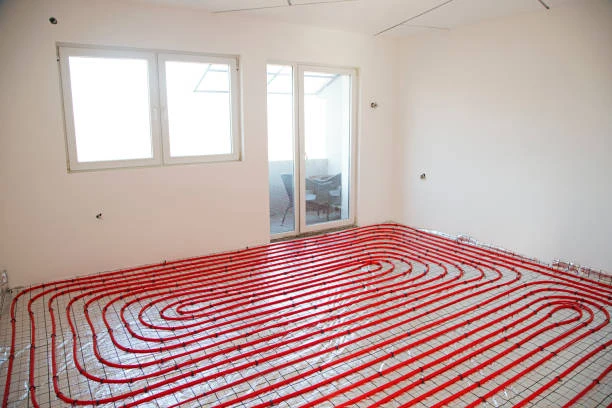
Radiant heat tubing forms the core of modern hydronic heating systems, offering unparalleled comfort and efficiency by warming floors, walls, and ceilings. However, its true value is realized only when installed and maintained with a strong emphasis on safety. Proper handling and understanding of these systems prevent potential hazards such as leaks, overheating, and chemical degradation, ensuring long-term reliability. This guide explores the critical safety aspects of radiant heat tubing, from material selection and installation best practices to pressure testing and maintenance protocols. We will address common safety questions, outline key features, and review industry applications to provide a thorough understanding of how to use these systems responsibly and effectively.
Basic Definition and Key Characteristics
Radiant heat tubing consists of flexible, durable pipes, typically made from cross-linked polyethylene (PEX) or similar polymers, which circulate warm water to heat surfaces evenly. People value these tubes for their resistance to corrosion and scaling, which enhances system longevity. Safety begins with the material quality; manufacturers design the tubing to withstand high temperatures and pressures, often including an oxygen diffusion barrier to protect metal components from corrosion. Additionally, the tubes are flexible, allowing for installation without excessive joints, which reduces the risk of leaks. Their design ensures consistent performance under thermal expansion and contraction, maintaining integrity over years of use. These features collectively contribute to a system that is not only efficient but also inherently safe when handled correctly.
Frequently Asked Questions (FAQ)
1. What temperature and pressure limits should I follow for safe operation?
Most radiant heat tubing is rated for continuous operation at temperatures up to 200°F (93°C) and pressures up to 100 psi. However, you should always adhere to the manufacturer’s specifications for your specific tubing type. Exceeding these limits can cause premature wear, leaks, or even pipe failure. Installers should use thermostats and pressure relief valves to keep the system within safe parameters.
2. How can I prevent damage during installation?
You must handle the tubing carefully to avoid kinks, cuts, or crushing. Use proper tools and techniques, such as bending guides and protective sleeves, especially when routing tubing through sharp edges or tight spaces. Also, ensure the tubing is stored away from direct sunlight and chemicals before installation to maintain its integrity.
3. Are there any chemical compatibility concerns?
Yes, you should use only compatible fluids and inhibitors in the system. Glycol-based antifreeze solutions are common, but you must ensure they are approved for use with PEX or other tubing materials. Incompatible chemicals can degrade the tubing, leading to leaks or reduced lifespan. Always consult the tubing manufacturer for recommended fluids.
4. What fire safety measures are necessary?
While radiant tubing itself is not highly flammable, you must install it with adequate clearance from heat sources and follow local building codes for fire protection. In suspended ceilings or walls, use fire stops and maintain required distances from electrical components. Never install tubing near open flames or high-temperature equipment without proper shielding.
5. How do I conduct a pressure test safely?
After installation, you should pressure test the system to check for leaks. Use a calibrated pump to raise the pressure to 1.5 times the operating pressure, but do not exceed the tubing’s rated limit. Monitor the system for at least 24 hours to ensure stability. Always release pressure slowly before making any adjustments to avoid sudden bursts.
Common Uses and Application Industries
Radiant heat tubing is popular in residential, commercial, and industrial settings due to its efficiency and safety. In homes, people use it for floor heating, providing consistent warmth without the dust circulation associated with forced air systems. Commercial buildings, such as hospitals and schools, use radiant heating for its quiet operation and ability to zone temperatures precisely. Industries employ these systems in warehouses and manufacturing facilities to maintain comfortable temperatures while reducing energy costs. Additionally, farmers use radiant tubing in greenhouses to promote plant growth without creating hazardous conditions. The versatility of these systems makes them suitable for nearly any environment where safe, reliable heating is a priority.
Conclusion
In summary, safety in radiant heat tubing systems depends on a combination of quality materials, careful installation, and diligent maintenance. By understanding the tubing’s characteristics, adhering to operational limits, and addressing potential risks proactively, users can enjoy the benefits of efficient heating without compromising safety. Whether in a home, commercial space, or industrial facility, these systems provide reliable performance when handled with expertise and attention to detail. Embracing these safety principles ensures that radiant heat tubing remains a trusted solution for comfortable and sustainable heating across diverse applications.
IFAN’s international standards
IFAN products comply with multiple international standards, including BS 3505, BS 4346, ASTM D1785 SCH40, ASTM D1785 SCH80, DIN, GB, DWV, ASTM D2665, ASTM D2241, ASTM D2729, ASTM F441/F441M, ISO 1452 Series standards, EN ISO 1452, DIN 8061/8062, GB/T 10002 Series standards, AS/NZS 1477, JIS K6741, CSA B137.3, NSF/ANSI 14, TIS 17-2532/1131-2535, among others. These certifications ensure that IFAN piping systems meet global requirements for safety, durability, and performance.
Contact
IFAN is a professional manufacturer with 30 years of experience, dedicated to producing high-quality plastic pipes, fittings, and valves. Our products include brass valves, PPR valves, as well as various pipes and fittings to meet different customer needs. Whether you need plumbing and drainage pipes or valve products. IFAN can provide a diverse range of high-quality, cost-effective products to support your projects. Below is our contact information.
We will reply your email or fax within 24 hours.
You can call us at any time if there is any question on our production.
Pls Mailto:[email protected]







Recent Comments