
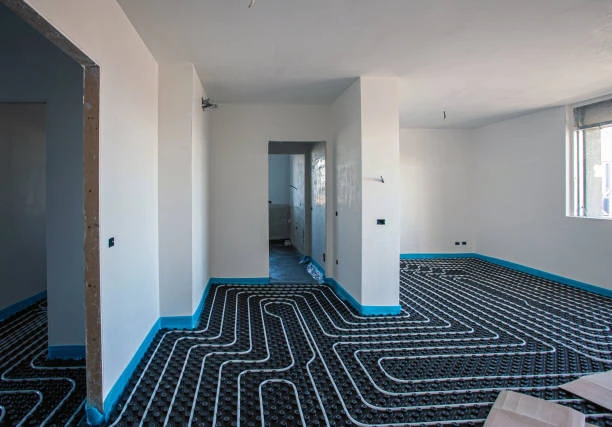
Radiant heat tubing has transformed modern heating systems by providing exceptional comfort and efficiency through innovative material science. The performance, durability, and effectiveness of radiant heating systems fundamentally depend on the materials used in their construction. From cross-linked polyethylene to advanced composite structures, material selection directly influences system longevity, heat transfer efficiency, and installation flexibility. This comprehensive guide explores the essential materials used in radiant heat tubing, examining their unique properties, advantages, and ideal applications. We will answer common questions about material performance, discuss key characteristics of different tubing types, and illustrate how material choices impact various residential, commercial, and industrial applications. Understanding these material considerations will help homeowners, builders, and HVAC professionals make informed decisions that ensure optimal system performance and long-term reliability.
Basic Definition and Key Characteristics
Radiant heat tubing consists of specialized piping materials designed specifically for circulating heated water in floor, wall, or ceiling heating systems. The tubing forms a network that distributes heat through radiation, creating comfortable living and working environments without the drafts and noise associated with forced-air systems. Material selection plays a crucial role in determining system performance, with modern options offering improved durability, flexibility, and thermal efficiency compared to traditional metal piping.
The most common material for modern radiant heat tubing is cross-linked polyethylene (PEX), which comes in several variations with distinct characteristics. PEX-a tubing undergoes peroxide cross-linking, creating the most flexible form with excellent shape memory and resistance to kinking. PEX-b uses moisture cure cross-linking, offering good flexibility at a more economical price point. PEX-c employs electron beam cross-linking, providing balanced performance characteristics. All PEX varieties share excellent temperature resistance (typically up to 200°F), high pressure tolerance, and exceptional durability against chemical degradation and scale buildup.
Advanced materials include PEX-AL-PEX composite tubing, which features an aluminum layer sandwiched between PEX layers. This construction provides enhanced oxygen barrier properties, superior thermal conductivity, and reduced thermal expansion. Some systems use rubber-based tubing for specific applications, particularly where extreme flexibility or special chemical resistance is required. Modern radiant tubing also incorporates oxygen barrier technology either as a separate layer or integrated into the material structure, preventing oxygen permeation that can cause system corrosion.
The key characteristics of these materials include excellent thermal conductivity for efficient heat transfer, high flexibility for easy installation, exceptional resistance to chlorine and other chemicals found in water systems, and durability against freeze damage. These materials also demonstrate low thermal expansion, minimal friction loss for efficient water circulation, and long-term stability under continuous heating and cooling cycles.
Common Uses and Application Industries
Radiant heat tubing materials serve diverse applications across multiple industries, each benefiting from specific material properties. In residential construction, PEX tubing has become the standard for whole-house radiant heating systems, particularly in floor heating applications. The flexibility of PEX allows installation in complex patterns beneath various flooring materials, including tile, wood, and concrete. Bathroom floor heating systems benefit from the quick response time and efficient heat transfer of PEX-AL-PEX composites, while whole-house systems typically use oxygen-barrier PEX for its balance of performance and cost-effectiveness.
Commercial applications extensively utilize advanced radiant tubing materials in office buildings, retail spaces, and healthcare facilities. PEX-AL-PEX composites are particularly valuable in commercial settings where higher temperatures and increased system pressures are common. The reduced thermal expansion of composite tubing makes it ideal for large-area installations in office buildings and shopping centers. Healthcare facilities prefer radiant heating for its hygienic properties, often selecting materials with enhanced oxygen barrier properties to protect sensitive equipment from corrosion.
Industrial applications include warehouse heating, manufacturing facilities, and agricultural buildings where durability and reliability are paramount. Industrial settings often use heavy-duty PEX formulations with reinforced oxygen barriers to withstand demanding operating conditions. The chemical resistance of modern PEX materials makes them suitable for industrial environments where exposure to various substances might occur.
Specialized applications include snow melting systems for driveways, walkways, and parking areas, where PEX-AL-PEX composites provide excellent thermal conductivity for rapid response. Sports facilities use radiant heating in fields and tracks, requiring materials that can withstand outdoor conditions and temperature fluctuations. Greenhouse heating systems benefit from the chemical resistance and durability of PEX tubing, which can handle the humid, chemical-rich environment of agricultural applications.
Frequently Asked Questions (FAQ)
1. What makes PEX material better than copper for radiant heating?
PEX offers several advantages over copper for radiant heating applications. Its flexibility allows for continuous runs with fewer connections, reducing potential leak points. PEX demonstrates better resistance to freeze damage, as it can expand and contract without rupturing. The material doesn’t corrode or develop scale buildup like copper, maintaining system efficiency over time. PEX also provides better thermal insulation properties, reduces installation time significantly, and costs less than copper while offering comparable performance.
2. How does oxygen barrier technology work in radiant tubing materials?
Oxygen barrier technology prevents oxygen molecules from permeating through the tube walls into the system water. This protection is crucial because dissolved oxygen can cause corrosion in ferrous components like boilers, pumps, and valves. Modern barrier systems either use a composite structure with an aluminum layer (PEX-AL-PEX) or apply a specialized polymer layer that blocks oxygen diffusion. Both approaches effectively maintain low oxygen levels in closed-loop systems, extending equipment lifespan and maintaining system efficiency.
3. Can radiant heat tubing materials handle high temperature applications?
Yes, modern radiant tubing materials are designed to handle high temperature applications effectively. Standard PEX tubing typically withstands temperatures up to 200°F continuously, with some formulations rated for even higher temperatures. PEX-AL-PEX composites offer enhanced temperature resistance due to their aluminum core. For specialized high-temperature applications, manufacturers offer advanced formulations that maintain structural integrity at elevated temperatures while providing the flexibility and corrosion resistance that make PEX materials desirable.
4. Are there environmental concerns with PEX tubing materials?
Modern PEX tubing meets stringent environmental and health safety standards. Manufacturers produce PEX using lead-free stabilizers and compounds that meet NSF/ANSI 61 certification for drinking water safety. The cross-linking process creates stable molecular bonds that prevent chemical leaching. PEX production requires less energy than metal piping manufacturing, and the material’s longevity reduces environmental impact through decreased replacement needs. Many PEX formulations are also recyclable, supporting sustainable building practices.
5. How do I choose between different types of PEX materials?
Material selection depends on your specific application requirements. PEX-a offers maximum flexibility for complex installations, while PEX-b provides cost-effective performance for standard applications. PEX-c balances flexibility and economy for general use. Consider PEX-AL-PEX for applications requiring minimal thermal expansion, enhanced oxygen barrier protection, or improved heat transfer characteristics. Always consult with manufacturers and consider factors like system temperature, pressure requirements, installation complexity, and budget when selecting materials.
Conclusion
The evolution of radiant heat tubing materials has revolutionized heating system design and performance, offering solutions that combine efficiency, durability, and installation flexibility. The development of PEX technology and composite materials has addressed the limitations of traditional metal piping while providing enhanced performance characteristics that benefit both installers and end-users. Material science continues to advance, with manufacturers developing new formulations that offer improved thermal properties, better environmental resistance, and enhanced safety features.
The widespread adoption of modern radiant tubing materials across residential, commercial, and industrial applications demonstrates their effectiveness and reliability. The choice of material significantly impacts system performance, energy efficiency, and long-term maintenance requirements. By understanding the properties and advantages of different tubing materials, stakeholders can make informed decisions that optimize system design for specific applications and environments.
As building codes and energy efficiency standards become increasingly stringent, the role of advanced radiant tubing materials becomes more important. These materials not only contribute to improved heating performance but also support broader sustainability goals through reduced energy consumption and longer service life. The continued innovation in material technology promises even better performance characteristics and installation benefits in the future, further establishing radiant heating as a preferred solution for comfortable, efficient space heating.
IFAN’s international standards
IFAN products comply with multiple international standards, including BS 3505, BS 4346, ASTM D1785 SCH40, ASTM D1785 SCH80, DIN, GB, DWV, ASTM D2665, ASTM D2241, ASTM D2729, ASTM F441/F441M, ISO 1452 Series standards, EN ISO 1452, DIN 8061/8062, GB/T 10002 Series standards, AS/NZS 1477, JIS K6741, CSA B137.3, NSF/ANSI 14, TIS 17-2532/1131-2535, among others. These certifications ensure that IFAN piping systems meet global requirements for safety, durability, and performance.
Contact
IFAN is a professional manufacturer with 30 years of experience, dedicated to producing high-quality plastic pipes, fittings, and valves. Our products include brass valves, PPR valves, as well as various pipes and fittings to meet different customer needs. Whether you need plumbing and drainage pipes or valve products. IFAN can provide a diverse range of high-quality, cost-effective products to support your projects. Below is our contact information.
We will reply your email or fax within 24 hours.
You can call us at any time if there is any question on our production.
Pls Mailto:[email protected]









Recent Comments