
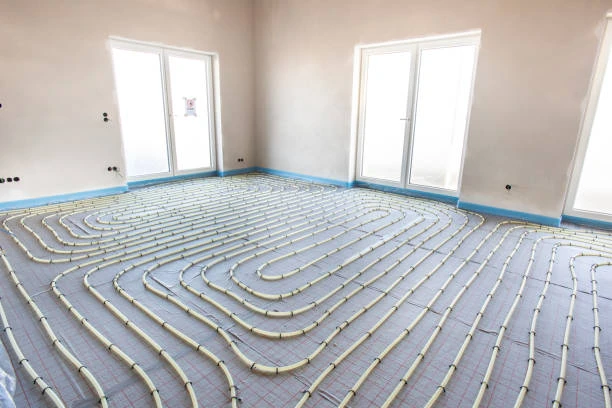
Radiant heat tubing represents one of the most significant advancements in heating technology, yet many homeowners and builders remain unaware of its full benefits and applications. Effective marketing for radiant heat tubing requires educating potential customers about its superior comfort, energy efficiency, and long-term value proposition. Unlike traditional heating systems that simply push warm air through ducts, radiant systems provide even, consistent heat that rises naturally from floors or walls, creating unparalleled comfort without drafts or noise. This comprehensive marketing guide explores successful strategies for promoting radiant heat tubing, addresses common customer questions, explains key product features, and identifies target markets and applications. By understanding both the technical advantages and effective communication strategies, manufacturers, distributors, and installers can effectively position radiant heat tubing as the premium heating solution for residential, commercial, and industrial applications.
Frequently Asked Questions (FAQ)
1. Why should customers choose radiant heat tubing over traditional heating systems?
Radiant heat tubing offers numerous advantages that justify its position as a premium heating solution. Customers enjoy significantly improved comfort through even heat distribution that eliminates cold spots and drafts. The systems operate 20-40% more efficiently than forced-air systems, resulting in substantial energy savings over time. Radiant heating provides better air quality by eliminating ductwork that can circulate dust and allergens. The systems operate silently, without the noise of blowing air or operating fans.
2. How can we address customer concerns about installation costs?
While radiant heat tubing systems have higher upfront costs than traditional systems, we should emphasize the long-term value proposition. The significantly lower operating costs typically result in a 5-8 year return on investment through energy savings. We should highlight the increased property value that radiant heating adds to homes and commercial spaces. Many customers appreciate the potential for zoning different areas, which provides additional savings.
3. What are the most effective marketing messages for different customer segments?
For homeowners, we focus on comfort, energy savings, and health benefits. Luxury home buyers respond well to messages about premium features and increased property value. Commercial clients prioritize operational efficiency, maintenance costs, and employee comfort. Environmental-conscious customers appreciate the reduced energy consumption and smaller carbon footprint.
4. How do we handle objections about installation complexity?
We should emphasize the advancements in installation technology and training available today. Many modern systems use pre-configured panels and simplified connection systems that reduce installation time. We can provide references from satisfied installers and showcase completed project case studies. Offering comprehensive installer training and support helps build confidence.
5. What evidence can we provide to support our efficiency claims?
We can share independent laboratory test results and energy efficiency certifications. Case studies with documented energy savings from actual installations provide compelling evidence. Manufacturer performance data and warranty information support reliability claims. Testimonials from satisfied customers and energy auditors add third-party validation.
Basic Definition and Key Characteristics
Radiant heat tubing consists of specialized piping, typically made from cross-linked polyethylene (PEX), that circulates warm water beneath floors, within walls, or through ceilings to provide heating through radiation rather than forced air. The system connects to a heat source, usually a boiler or water heater, and distributes heat evenly throughout spaces. Modern radiant tubing features oxygen barrier technology to prevent system corrosion, high-temperature resistance for reliable performance, and exceptional flexibility for easier installation.
The marketing appeal of radiant heat tubing stems from its numerous advantages over conventional heating systems. The technology provides superior comfort through even heat distribution without hot or cold spots. Customers appreciate the energy efficiency that comes from lower operating temperatures and reduced heat loss. The systems offer design flexibility since they hide completely beneath finished surfaces. Radiant heating operates silently, improves indoor air quality by eliminating airborne particle circulation, and requires minimal maintenance compared to traditional systems.
From a marketing perspective, we highlight the long-term value proposition. While initial costs may be higher, the combination of energy savings, reduced maintenance, and extended system lifespan typically provides an excellent return on investment. The technology also supports modern smart home integration, allowing for precise temperature control and zoning capabilities that further enhance efficiency and comfort.
Common Uses and Application Industries
The marketing strategy for radiant heat tubing should address its diverse applications across multiple sectors. In residential marketing, we position radiant heating as a premium feature for whole-house comfort, with particular emphasis on bathroom floor heating, kitchen comfort, and basement heating solutions. Luxury home builders use radiant systems as a key selling point, highlighting the comfort and efficiency benefits to discerning buyers. Home renovation projects represent another significant market, especially when homeowners are already replacing flooring or undertaking significant remodeling.
Commercial applications offer substantial marketing opportunities. Office building developers and managers appreciate the energy savings and improved occupant comfort that radiant systems provide. Retail spaces benefit from the invisible heating that doesn’t interfere with merchandise layout or customer experience. Healthcare facilities value the improved air quality and precise temperature control for patient comfort. Educational institutions use radiant heating in classrooms, libraries, and administrative areas for its efficiency and reliability.
Industrial applications include warehouse heating, manufacturing facilities, and agricultural buildings where traditional heating systems struggle with large, open spaces. Specialty applications such as snow melting systems for driveways and walkways, sports field heating, and greenhouse climate control represent additional niche markets. Each application requires tailored marketing messages that address specific needs and benefits relevant to that sector.
The hospitality industry represents another key market, with hotels and resorts using radiant heating in guest rooms, spas, and pool areas to enhance guest experience. Restaurant owners appreciate the comfort provided to patrons, particularly in outdoor dining areas where radiant heating can extend the usable season. Multi-family housing developers use radiant systems as a premium feature that justifies higher rental rates or sale prices.
Conclusion
Effective marketing of radiant heat tubing requires a comprehensive approach that educates customers about the technology while addressing their specific needs and concerns. The key to successful marketing lies in emphasizing the numerous benefits that radiant systems provide, including superior comfort, significant energy savings, improved air quality, and long-term reliability. While initial costs may be higher than conventional systems, the value proposition becomes clear when considering the total cost of ownership and the enhanced living or working experience.
Marketing efforts should target both end-users and trade professionals, providing each group with the information they need to make informed decisions. For homeowners and building owners, we focus on comfort, efficiency, and health benefits. For contractors and specifiers, we emphasize installation efficiency, system reliability, and customer satisfaction. Case studies, testimonials, and performance data provide crucial support for marketing claims, helping overcome initial resistance based on cost concerns.
The future of radiant heat tubing marketing will likely involve increased emphasis on smart home integration, sustainability features, and compatibility with renewable energy sources. As energy costs continue to rise and environmental concerns grow, the efficiency and comfort benefits of radiant heating will become increasingly attractive to both residential and commercial customers. By maintaining a focus on education, value demonstration, and customer satisfaction, manufacturers and installers can successfully position radiant heat tubing as the premium heating solution for modern buildings.
IFAN’s international standards
IFAN products comply with multiple international standards, including BS 3505, BS 4346, ASTM D1785 SCH40, ASTM D1785 SCH80, DIN, GB, DWV, ASTM D2665, ASTM D2241, ASTM D2729, ASTM F441/F441M, ISO 1452 Series standards, EN ISO 1452, DIN 8061/8062, GB/T 10002 Series standards, AS/NZS 1477, JIS K6741, CSA B137.3, NSF/ANSI 14, TIS 17-2532/1131-2535, among others. These certifications ensure that IFAN piping systems meet global requirements for safety, durability, and performance.
Contact
IFAN is a professional manufacturer with 30 years of experience, dedicated to producing high-quality plastic pipes, fittings, and valves. Our products include brass valves, PPR valves, as well as various pipes and fittings to meet different customer needs. Whether you need plumbing and drainage pipes or valve products. IFAN can provide a diverse range of high-quality, cost-effective products to support your projects. Below is our contact information.
We will reply your email or fax within 24 hours.
You can call us at any time if there is any question on our production.
Pls Mailto:[email protected]






Recent Comments