
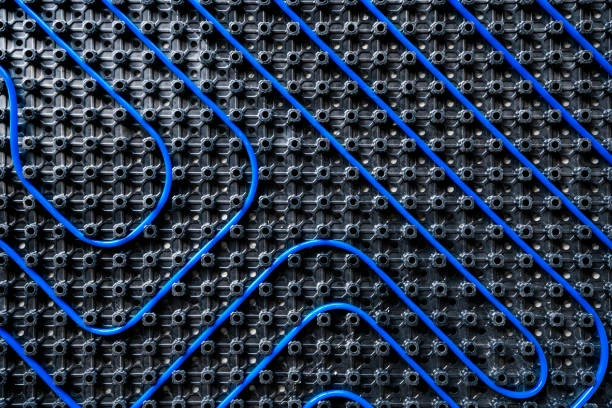
Radiant heat tubing represents a revolutionary approach to heating technology, offering exceptional comfort and efficiency for both residential and commercial applications. This specialized tubing forms the core component of radiant heating systems, circulating warm water through floors, walls, or ceilings to provide consistent, comfortable heat through radiation rather than forced air. Understanding the unique characteristics of radiant heat tubing is essential for homeowners, builders, architects, and HVAC professionals considering this heating method. This comprehensive guide explores the defining features of modern radiant heat tubing, examines its operational advantages, answers common questions, and illustrates its diverse applications across various settings. By thoroughly understanding these characteristics, decision-makers can determine whether radiant heating represents the right solution for their specific needs and how to maximize its benefits for optimal comfort and efficiency.
Basic Definition and Key Characteristics
Radiant heat tubing consists of specialized pipes designed specifically for circulating heated water in radiant heating systems. These tubes typically employ cross-linked polyethylene (PEX) as their primary material, though some systems may use rubber-based or polymer-based alternatives. The tubing installs in patterns beneath flooring surfaces, within walls, or across ceilings, creating an extensive network that emits comfortable, even heat throughout living spaces. The system connects to a heat source, typically a boiler or water heater, which warms the water circulating through the tubes.
The key characteristics that define modern radiant heat tubing include several important attributes. These tubes demonstrate exceptional durability and longevity, often lasting the lifetime of the building when properly installed and maintained. The cross-linked molecular structure of PEX tubing provides excellent resistance to high temperatures and pressure, typically handling water temperatures up to 200°F and operating pressures exceeding 100 psi. Their flexibility allows for easy installation in various configurations and around obstacles, making them suitable for both new construction and renovation projects.
Chemical resistance represents another crucial characteristic, with modern radiant tubes resisting scale buildup and corrosion that can plague metal piping systems. Oxygen barrier technology in many PEX tubes prevents oxygen permeation, protecting system components from corrosion and extending the system’s overall lifespan. The smooth interior surface minimizes flow resistance, allowing for efficient circulation and reducing pump energy requirements. Additionally, these tubes maintain their integrity through freeze-thaw cycles better than rigid piping, making them suitable for various climate conditions.
Common Uses and Application Industries
Radiant heat tubing serves as the foundation for heating solutions across diverse sectors, from residential comfort to industrial processes. In residential applications, these tubes install beneath flooring materials including tile, concrete, wood, and laminate, providing comfortable, even heat that rises naturally through living spaces. Whole-house heating systems represent the most common application, but many homeowners also use radiant tubing for bathroom floor heating, basement heating, and even driveway snow melting systems. The comfort and efficiency of radiant heat make it particularly valuable in bedrooms, living areas, and spaces where conventional forced-air systems might create drafts or uneven temperatures.
Commercial applications extensively utilize radiant heat tubing in various settings. Office buildings benefit from the silent, draft-free heating that improves occupant comfort and productivity. Retail spaces use radiant systems to create comfortable shopping environments without the noise and air movement of conventional systems. Healthcare facilities value radiant heating for its hygienic properties, as it doesn’t circulate allergens or pathogens like forced-air systems. Educational institutions install radiant systems in classrooms, libraries, and administrative areas to maintain consistent comfort levels while reducing energy costs.
Industrial applications include warehouse heating, manufacturing facilities, and agricultural buildings where large, open spaces benefit from the efficient, targeted heating that radiant systems provide. The tubing also serves specialized applications such as sports facility heating (including soccer fields and running tracks), greenhouse heating, and even bridge deck heating to prevent ice formation. Hospitality venues including hotels, restaurants, and spas use radiant heating to enhance guest comfort, particularly in bathroom floors and outdoor patio areas.
Snow and ice melting systems represent another significant application, with tubing installed beneath driveways, walkways, staircases, and parking areas to automatically melt snow and prevent ice formation. These systems improve safety while eliminating the need for chemical deicers and physical snow removal.
Frequently Asked Questions (FAQ)
1. How long does radiant heat tubing typically last?
Radiant heat tubing offers exceptional longevity, typically lasting 30-It depends on the actual situation. or more when properly installed and maintained. PEX tubing, the most common material used in modern systems, maintains its structural integrity and performance characteristics for decades without degradation. The cross-linked molecular structure resists chemical damage, scale buildup, and corrosion that can affect metal piping systems. Many manufacturers provide warranties extending 25 years or longer, reflecting confidence in their products’ durability.
2. What makes PEX tubing better than metal pipes for radiant heating?
PEX tubing offers several advantages over metal alternatives. Its flexibility allows for easier installation with fewer joints and connections, reducing potential leak points. PEX demonstrates better resistance to freeze damage, as it can expand and contract without rupturing.
3. Can radiant heat tubing be installed under any type of flooring?
Yes, radiant heat tubing works effectively with most flooring materials, though installation methods may vary. Tile and stone flooring provide excellent thermal transfer and represent ideal surfaces for radiant heating. Wood flooring requires careful temperature control and proper installation to prevent damage from heat and moisture.
4. How energy-efficient are radiant heating systems compared to forced air?
Radiant heating systems typically demonstrate 20-40% greater efficiency than forced-air systems. This efficiency advantage comes from several factors: lower operating temperatures (water carries heat more efficiently than air), reduced heat loss through distribution, zoned heating capabilities, and the absence of duct losses.
5. What maintenance does radiant heat tubing require?
Radiant heat systems require minimal maintenance compared to other heating systems. The closed-loop nature prevents scale buildup and corrosion when properly designed. Annual system checks should include pressure tests, pump operation verification, and boiler maintenance if applicable.
Conclusion
Radiant heat tubing represents a sophisticated heating solution that combines comfort, efficiency, and durability in ways traditional heating systems cannot match. The unique characteristics of modern radiant tubing—particularly PEX-based systems—provide homeowners and businesses with heating solutions that offer superior performance, lower operating costs, and enhanced comfort. The flexibility, durability, and efficiency of these systems make them suitable for applications ranging from whole-house heating to specialized industrial processes.
The widespread adoption of radiant heating across residential, commercial, and industrial sectors demonstrates its effectiveness and growing popularity. As technology advances, manufacturers continue to improve tubing materials, oxygen barrier technology, and installation methods, making radiant systems increasingly accessible and effective. The minimal maintenance requirements and long lifespan further enhance their value proposition, providing reliable heating for decades with minimal intervention.
Understanding the characteristics and capabilities of radiant heat tubing enables informed decision-making for anyone considering heating system options. Whether planning new construction or renovating existing spaces, radiant heating offers a compelling combination of comfort, efficiency, and reliability that continues to gain recognition as a superior heating method.
IFAN’s international standards
IFAN products comply with multiple international standards, including BS 3505, BS 4346, ASTM D1785 SCH40, ASTM D1785 SCH80, DIN, GB, DWV, ASTM D2665, ASTM D2241, ASTM D2729, ASTM F441/F441M, ISO 1452 Series standards, EN ISO 1452, DIN 8061/8062, GB/T 10002 Series standards, AS/NZS 1477, JIS K6741, CSA B137.3, NSF/ANSI 14, TIS 17-2532/1131-2535, among others. These certifications ensure that IFAN piping systems meet global requirements for safety, durability, and performance.
Contact
IFAN is a professional manufacturer with 30 years of experience, dedicated to producing high-quality plastic pipes, fittings, and valves. Our products include brass valves, PPR valves, as well as various pipes and fittings to meet different customer needs. Whether you need plumbing and drainage pipes or valve products. IFAN can provide a diverse range of high-quality, cost-effective products to support your projects. Below is our contact information.
We will reply your email or fax within 24 hours.
You can call us at any time if there is any question on our production.
Pls Mailto:[email protected]







Recent Comments