
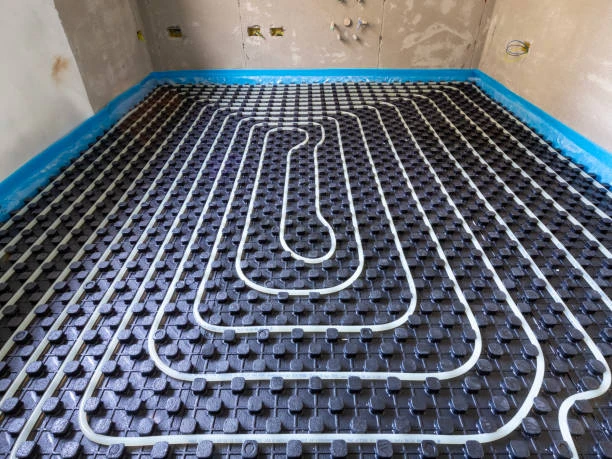
Radiant heat tubing engineering involves comprehensive system design and precise technical calculations to ensure optimal performance, efficiency, and longevity. Professional engineers must consider heat load requirements, fluid dynamics, material properties, and integration with other building systems. This complete guide examines the critical engineering aspects of radiant heat tubing systems, covering thermal performance calculations, hydraulic system design, structural integration, and control system engineering. We will explore how proper engineering practices ensure system reliability, maximize energy efficiency, and meet project requirements while addressing the complex interactions between tubing systems and building structures. Understanding these engineering principles helps professionals design systems that deliver superior comfort and performance across various applications and building types.
Basic Definition and Key Characteristics
Radiant heat tubing systems utilize networks of polymer-based pipes, typically PEX or PEX-AL-PEX, to distribute heated water through floors, walls, or ceilings. These systems operate on principles of radiant heat transfer and require careful engineering to achieve desired performance. Key engineering considerations include thermal conductivity calculations, pressure loss analysis, and expansion management. The tubing’s material properties dictate maximum operating temperatures and pressures, while system design determines heat distribution uniformity. Engineers must balance tube spacing, flow rates, and temperature differentials to achieve optimal performance. The closed-loop nature of these systems requires precise hydraulic balancing and proper air management to maintain efficiency and prevent corrosion or flow restrictions.
Frequently Asked Questions (FAQ)
1. How do engineers calculate heat load requirements for radiant systems?
Engineers perform detailed heat loss calculations using industry-standard methods like Manual J or equivalent international standards. They consider building orientation, insulation levels, window properties, and climate data. The calculations determine required heat output per square meter and inform tubing spacing decisions. Engineers also account for thermal mass effects and system response times.
2. What hydraulic design considerations are most important?
Hydraulic design requires careful calculation of pressure drops through each circuit. Engineers balance loop lengths to within 10% difference for proper flow distribution. They select appropriate pipe diameters based on flow velocity limits and pressure loss constraints. Pump sizing considers total system pressure drop plus safety factors for components and fittings. Engineers include air elimination devices at high points and design for easy purging.
3. How do we engineer for thermal expansion and contraction?
Engineers calculate expected expansion based on temperature differentials and tube material properties. They design expansion loops or use flexible connectors where necessary. In concrete slabs, they specify control joints that accommodate movement. For above-floor installations, they include adequate fastening spacing and allow for natural movement. Engineers also consider expansion effects on manifold connections and pipe penetrations.
4. What control strategies work best for radiant systems?
Engineers typically design weather-compensated control systems that adjust water temperature based on outdoor conditions. They incorporate room sensors for individual zone control and setback capabilities. Mixing valves maintain optimal supply temperatures while protecting tubing from excessive heat. Engineers often include cascade controls for systems with multiple heat sources. They design control sequences that consider system thermal mass and response characteristics.
5. How do we ensure proper integration with other building systems?
Engineers coordinate with mechanical, electrical, and structural teams during design. They verify compatibility with heat source equipment and ensure proper interface with control systems. Structural considerations include load impacts of system components and installation effects on structural elements. Engineers design integration points with ventilation systems to avoid conflicts and ensure overall building performance.
Common Uses and Application Industries
Radiant heat tubing engineering applications span numerous industries with specific technical requirements. Residential projects demand careful attention to comfort parameters and individual zone control. Commercial buildings require sophisticated control strategies and integration with building automation systems. Industrial facilities need robust designs that accommodate heavy loads and potential chemical exposures. Healthcare facilities require precise temperature control and hygiene considerations. Snow melt systems demand weather-responsive controls and freeze protection features. Agricultural applications involve unique moisture and environmental considerations. Each sector presents distinct engineering challenges that require specialized knowledge of both radiant heating principles and industry-specific requirements. Engineers must adapt standard practices to meet these diverse needs while maintaining system efficiency and reliability.
Conclusion
In summary, successful radiant heat tubing engineering requires multidisciplinary expertise and careful attention to numerous technical details. Proper design ensures systems deliver comfortable, efficient heating while integrating seamlessly with other building systems. Engineers must balance thermal performance, hydraulic efficiency, and structural considerations to create optimal solutions. The field continues to evolve with new materials, control technologies, and design methodologies that improve system performance and reduce energy consumption. By following sound engineering principles and staying current with industry developments, professionals can design radiant heating systems that meet increasingly stringent performance requirements while providing exceptional comfort and reliability. The future of radiant heating engineering will likely involve greater integration with renewable energy sources and smarter control systems that further enhance efficiency and user comfort.
IFAN’s international standards
IFAN products comply with multiple international standards, including BS 3505, BS 4346, ASTM D1785 SCH40, ASTM D1785 SCH80, DIN, GB, DWV, ASTM D2665, ASTM D2241, ASTM D2729, ASTM F441/F441M, ISO 1452 Series standards, EN ISO 1452, DIN 8061/8062, GB/T 10002 Series standards, AS/NZS 1477, JIS K6741, CSA B137.3, NSF/ANSI 14, TIS 17-2532/1131-2535, among others. These certifications ensure that IFAN piping systems meet global requirements for safety, durability, and performance.
Contact
IFAN is a professional manufacturer with 30 years of experience, dedicated to producing high-quality plastic pipes, fittings, and valves. Our products include brass valves, PPR valves, as well as various pipes and fittings to meet different customer needs. Whether you need plumbing and drainage pipes or valve products. IFAN can provide a diverse range of high-quality, cost-effective products to support your projects. Below is our contact information.
We will reply your email or fax within 24 hours.
You can call us at any time if there is any question on our production.
Pls Mailto:[email protected]












Recent Comments