
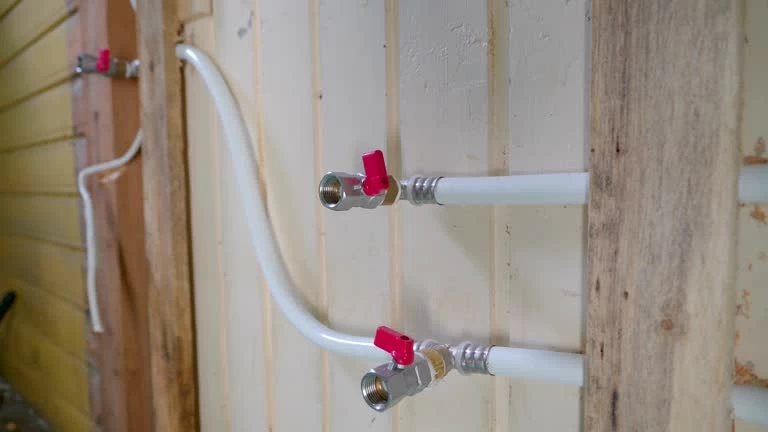
Temperature control plays a critical role in maintaining efficiency, safety, and comfort in plumbing systems, especially those using PEX (cross-linked polyethylene) water lines. As a flexible, durable, and resistant material, PEX has become a popular choice for both residential and commercial plumbing. Integrating temperature control sensors into PEX water lines enhances the overall system performance by ensuring optimal water temperature and preventing potential issues. This article explores the importance of temperature control sensors, their functionality, types, and benefits in PEX water lines.
1. Importance of Temperature Control
Water temperature control in plumbing systems directly affects several factors, including energy consumption, water quality, and user comfort.
- Energy Efficiency: Maintaining appropriate water temperatures helps minimize energy costs. Overheating water can lead to unnecessary energy expenditure, while excessively cold water may require additional heating, which also wastes energy. Properly calibrated temperature control ensures efficient heating and cooling.
- Safety: Hot water can pose a scalding risk, especially for children and the elderly. By monitoring water temperature, temperature control sensors can help prevent accidents and ensure user safety. For example, a water heater set too high can create dangerous situations, while a system that maintains optimal temperatures reduces the risk of burns.
- Water Quality: Fluctuating water temperatures can affect the growth of bacteria and other pathogens. Consistent temperature control minimizes the risk of waterborne diseases and ensures safe drinking water.
2. Functionality of Temperature Control Sensors
Temperature control sensors operate by continuously monitoring the temperature of the water flowing through PEX lines. These sensors provide real-time data that enables automated systems to make necessary adjustments.
- Monitoring: Sensors measure water temperature at various points in the plumbing system, providing crucial data to the control unit. This monitoring allows for precise temperature regulation based on user preferences and safety parameters.
- Feedback Mechanism: Temperature control systems often employ feedback loops. When sensors detect temperatures that deviate from preset thresholds, the system can automatically adjust the heating or cooling mechanisms. This responsiveness ensures that water remains within the desired temperature range.
- Data Integration: Modern temperature sensors can integrate with smart home systems. Homeowners can remotely monitor and control water temperatures through smartphones or tablets, enhancing convenience and control.
3. Types of Temperature Control Sensors
Several types of temperature control sensors are available for PEX water lines, each with unique features and benefits.
- Thermocouples: These sensors consist of two different metals joined at one end. When heated, they produce a voltage that correlates with temperature changes. Thermocouples are known for their durability and quick response times, making them suitable for dynamic water systems.
- Thermistors: These sensors change resistance with temperature fluctuations. Thermistors provide high accuracy and sensitivity, making them ideal for precise temperature control. Their compact size allows for easy integration into PEX systems.
- RTDs (Resistance Temperature Detectors): RTDs use the principle that the resistance of metals changes with temperature. They offer excellent stability and accuracy, making them suitable for critical applications. While they may be more expensive than other options, their reliability often justifies the investment.
- Infrared Sensors: These non-contact sensors measure the infrared radiation emitted by objects, allowing for remote temperature readings. While not as commonly used in plumbing systems, infrared sensors can provide useful data in specific applications.
4. Benefits of Using Temperature Control Sensors in PEX Water Lines
Integrating temperature control sensors into PEX water lines provides numerous advantages, enhancing system efficiency and user experience.
- Enhanced Comfort: Temperature control sensors help maintain consistent water temperatures, ensuring that users enjoy optimal comfort. Homeowners can expect warm water when needed without sudden fluctuations that can disrupt daily activities.
- Reduced Energy Costs: By optimizing heating and cooling processes, temperature control sensors contribute to lower energy bills. Efficient temperature management eliminates unnecessary heating or cooling, allowing homeowners to save on utility costs.
- Increased Lifespan of Equipment: Consistent water temperatures reduce stress on plumbing components, including water heaters and pumps. This reduction in wear and tear extends the lifespan of equipment, minimizing maintenance costs and the need for replacements.
- Preventative Maintenance: Monitoring temperature variations can signal underlying issues in the plumbing system. For example, a sudden change in temperature might indicate a malfunctioning water heater or pipe blockage. Early detection of these problems allows for timely repairs and prevents more significant issues.
5. Installation Considerations
Proper installation of temperature control sensors in PEX water lines is crucial for optimal performance.
- Placement: Strategic placement of sensors allows for accurate readings. Positioning sensors near the water heater and at critical points in the plumbing system ensures that temperature fluctuations get detected promptly.
- Compatibility: Ensure that the selected sensors are compatible with PEX materials. Using sensors designed for PEX systems helps prevent potential issues related to thermal expansion or material degradation.
- Calibration: Proper calibration of temperature control systems is essential for accuracy. Incorrect calibration can lead to false readings and ineffective temperature management. Following manufacturer guidelines for installation and calibration ensures optimal performance.
6. Integration with Smart Home Systems
The rise of smart home technology has enhanced the functionality of temperature control sensors in PEX water lines. Integrating these systems allows homeowners to enjoy advanced features that improve convenience and efficiency.
- Remote Monitoring: Homeowners can monitor water temperatures remotely using smartphones or tablets. This capability allows for real-time adjustments, providing added control over water temperatures even when away from home.
- Automated Control: Smart temperature control systems can learn user preferences and adjust settings automatically. For example, if a household typically requires warmer water in the morning, the system can preheat the water to the desired temperature, ensuring readiness for morning routines.
- Alerts and Notifications: Many smart temperature control systems provide alerts for abnormal temperature fluctuations. Homeowners receive notifications regarding potential issues, enabling proactive maintenance and preventing costly repairs.
IFAN is a brand that offers products that meet a wide range of international standards, ensuring the quality and reliability of every product.Product standard including: ASTM F1974, ASTM F1281, CSA B137, DIN 16836, GB18997, ISO 21003. IFAN is committed to providing high quality products and excellent service!
7. Conclusion
Integrating temperature control sensors into PEX water lines enhances system efficiency, safety, and comfort. By continuously monitoring water temperatures and providing real-time data for adjustments, these sensors contribute to energy savings and improved water quality.
The variety of available sensors, including thermocouples, thermistors, RTDs, and infrared sensors, ensures that homeowners can find the ideal solution for their plumbing systems. With proper installation and integration into smart home technologies, temperature control sensors transform PEX water lines into highly efficient and user-friendly systems.
As the plumbing industry continues to evolve, embracing advanced technologies like temperature control sensors ensures that PEX systems remain at the forefront of innovation, providing reliable and efficient water solutions for homes and businesses alike.
Contact
IFAN is a professional manufacturer with 30 years of experience, dedicated to producing high-quality plastic pipes, fittings, and valves. Our products include brass valves, PPR valves, as well as various pipes and fittings to meet different customer needs. Whether you need plumbing and drainage pipes or valve products, IFAN can provide a diverse range of high-quality, cost-effective products to support your projects. Below is our contact information.
We will reply your email or fax within 24 hours.
You can call us at any time if there is any question on our production.
For more information,pls visit our webside https://pipefittingpro.com/
Pls Mailto: [email protected]
Whatsapp: + 86 19857948982










Recent Comments