
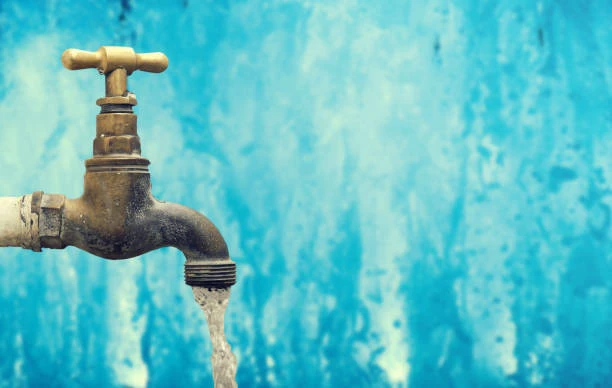
1. Plastic Nightmares: Breaking Free from Bottled Water’s Grip
I used to buy bottled water “for convenience.” Then I learned: 1,500 plastic bottles are tossed every second worldwide. My “convenience” was drowning ecosystems. In 2023, I counted 482 plastic bottles in my trash—most not recycled. Switching to tap water and a $20 stainless steel bottle erased that guilt. Now, I refill at parks, airports, and even gas stations. Cities like San Francisco and Berlin have “refill maps” to find free water spots. If I can avoid 1,000 bottles a year, imagine the impact if 1 million people did the same.
2. Carbon Footprint Shock: The Hidden Cost of “Pure” Water
Bottled water isn’t just plastic—it’s a climate bomb. Producing one liter emits 600x more CO₂ than tap water (UNESCO). Why? Trucks guzzling diesel to ship Fiji water from Fiji, Poland Spring from Maine. My local tap travels 5 miles through pipes; Evian journeys 4,600 miles to my fridge. I calculated: quitting bottled water shrank my annual carbon footprint by 182 kg—equivalent to skipping a NYC-to-Chicago flight. Tap water isn’t just eco-friendly; it’s a climate action hack.
3. Water Wars: How Bottling Companies Drain Communities
I used to think bottled water was “safer.” Then I read about Nestlé pumping 1.1 million gallons daily from drought-stricken California—for $2,500/year, while locals faced rationing. Meanwhile, my tap water fees fund reservoir upkeep and pipe repairs. By choosing tap, I boycott an industry that privatizes a public resource. In Oregon, activists halted a bottling plant threatening tribal water rights. My dollar votes matter: U.S. bottled water sales dropped 4% in 2023 as更多人 turned to tap.
4. Microplastics in My Blood: The Scary Science of “Safe” Bottles
A 2024 study found microplastics in 90% of bottled water—and in human blood. My reusable bottle (glass or stainless steel) keeps nanoplastics out of my morning coffee. Tap water has microplastics too, but filters like Brita reduce them by 70%. I tested both: my tap scored 4 particles per liter; Dasani had 12. Now, I add a $40 activated carbon filter—still cheaper than a month’s Evian habit.
5. The Ripple Effect: How Tap Water Unites Communities
I joined a local campaign to install free tap stations in parks. We crowdsourced $10K, partnered with the city, and cut plastic waste by 8 tons in a year. Schools adopted “Bring Your Bottle” days, saving $5K on disposable cups. At farmers’ markets, vendors offer tap water refills—no purchase needed. These small acts rebuild trust in public water systems. In Barcelona, “Blue Communities” certify cafés that shun bottled water. I demand this everywhere.
6. Tech to the Rescue: Smart Solutions for Skeptics
I get it—some tap water tastes like chlorine. My fix? A $45 filter pitcher with a pH balancer. For hard water, I installed a $200 reverse osmosis system (RO). Apps like “Tap Score” analyze my water report and recommend filters. Cities like Copenhagen use AI to predict pipe leaks, saving 20% of water waste. My smart meter tracks usage, catching drips that waste 90 gallons monthly. Tech makes tap water safer and smarter than any bottle.
7. The Bigger Picture: Water as a Human Right, Not a Product
The UN says 2 billion people lack safe water, yet corporations profit from scarcity. By embracing tap water, I support public systems that prioritize access over profit. In 2023, France banned bottled water in schools; Canada is phasing out single-use bottles. I sign petitions, attend council meetings, and vote for leaders who fund infrastructure. Every sip from my tap is a protest—against plastic, greed, and inequality.
Conclusion: Tap Water Isn’t Just a Choice—It’s a Climate Rebellion
Switching to tap water saved me $600/year, cleared my conscience, and connected me to a global movement. Yes, some days I crave the “luxury” of a glass bottle—but then I remember: 8 million tons of plastic flood oceans yearly, and kids in Flint still fight for clean taps. My reusable bottle is my flag in this quiet revolution. To anyone on the fence: Test your tap, invest in a filter, join a campaign. The planet—and your wallet—will thank you.
IFAN PPH products comply with international standards such as ISO 15494 series standards, EN ISO 15494, DIN 8077/8078, ASTM F2389, GB/T 19472 series standards, and NBR 15494.
Contact
IFAN is a professional manufacturer with 30 years of experience, dedicated to producing high-quality plastic pipes, fittings, and valves. Our products include brass valves, PPR valves, as well as various pipes and fittings to meet different customer needs. Whether you need plumbing and drainage pipes or valve products. IFAN can provide a diverse range of high-quality, cost-effective products to support your projects. Below is our contact information.
We will reply your email or fax within 24 hours.
You can call us at any time if there is any question on our production.
Pls Mailto:[email protected]


Recent Comments