
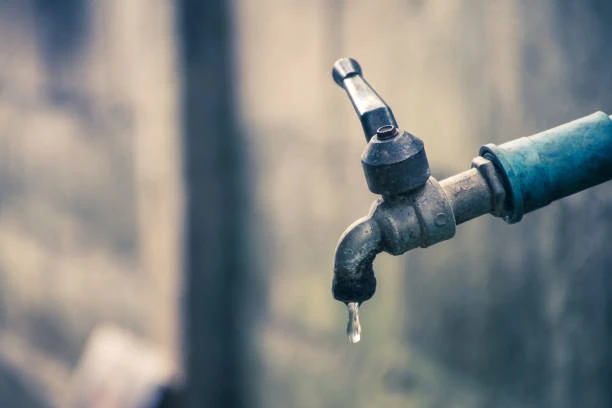
1. Health First: The Non-Negotiable Need for Safe, Clean Water
As a consumer, my top demand is simple: safe drinking water, every time. Yet, headlines about lead in Flint or PFAS “forever chemicals” nationwide keep me uneasy. The EPA reports that 7% of U.S. water systems violate health standards annually. I want rigorous, real-time testing—not outdated annual reports. Solutions like at-home TDS meters ($15 on Amazon) let me check mineral levels, but why isn’t this data automatically shared via apps? Cities like Amsterdam now use AI sensors to detect contaminants instantly. Why can’t we? Safe tap water isn’t a luxury; it’s a basic human right.
2. Convenience Revolution: Tap Water That Fits Modern Lifestyles
I need tap water to adapt to my life—on the go, at work, while traveling. Public water fountains are scarce (only 100,000 in the U.S. vs. 10 million vending machines). When I’m out, I resort to buying bottled water, which feels hypocritical. Cities like London and Sydney have installed smart refill stations with QR codes showing water quality. I demand these everywhere: parks, gyms, transit hubs. At home, I want voice-activated faucets that dispense filtered, chilled, or sparkling water instantly. Convenience shouldn’t mean compromising sustainability.
3. Affordability Crisis: Breaking Free from the Bottled Water Trap
I’m tired of the financial math: Tap water costs $0.005 per gallon, while bottled is 2,000x pricier. For low-income families, this gap is crushing. A 2023 study found bottled water drains $1,300/year from the average household. I demand subsidized filtration systems for vulnerable communities and tax rebates for landlords upgrading pipes. Programs like Philadelphia’s “Water Rate Assistance” prove it’s possible. Let’s make tap water the default, not a privilege.
4. Eco-Anxiety Relief: Tap Water as a Climate Action Tool
My climate guilt peaks every time I toss a plastic bottle. The U.S. recycles just 29% of them, and microplastics now infest 94% of tap water. I need cities to invest in plastic-free infrastructure—think glass water bottles in hotels, reusable jug delivery services, and bans on single-use bottles at events. Brands like Liquid Death mock bottled water culture; why can’t municipalities adopt that boldness? I’ll pay slightly higher taxes for a circular water economy that doesn’t poison oceans.
5. Trust Through Transparency: Real-Time Data, Not Empty Promises
“Trust us, it’s safe” doesn’t cut it anymore. After the Flint crisis, 61% of Americans distrust their water. I demand live dashboards showing my water’s pH, chlorine levels, and contaminant traces—updated hourly. Tech exists: Pittsburgh’s “MyWater” app does this. I also want labels on my bill explaining treatment methods, like “ozonated” or “reverse osmosis.” If my yogurt lists probiotics, why can’t my water report its mineral makeup? Knowledge builds trust.
6. Personalized Hydration: Tailoring Tap Water to Taste and Health
Why settle for one-size-fits-all water? I want customizable tap options:
- Mineral boosts: Add magnesium for muscle recovery or calcium for bone health.
- Flavor infusers: Built-in taps with fruit essence cartridges (lemon, cucumber).
- Medical-grade filters: For immunocompromised households or allergy sufferers.
Startups like Mitte sell devices that mineralize water at home ($499), but this should be mainstream. Imagine a world where tap water caters to keto diets, athletes, or tea connoisseurs—all sustainably.
7. Community Power: Collective Action for Water Justice
My tap water needs intersect with my neighbors’. In 2023, 2 million Americans lacked running water—many in Indigenous and rural communities. I demand grassroots partnerships to fix this. Example: The Navajo Water Project crowdfunds cisterns and solar pumps. Locally, I’ll join citizen councils to audit water infrastructure. Corporations like Nestlé, which profit from bottling public water, must be taxed to fund these efforts. Water is a shared resource, not a commodity.
Conclusion: Tap Water Isn’t Just a Demand—It’s a Movement
As a consumer, I’m not asking for miracles. I want safe, affordable, and eco-conscious tap water that adapts to my life. Governments must modernize infrastructure, companies must ditch plastic exploitation, and tech must empower transparency. The solutions exist; the demand is urgent. Every time I turn on the tap, I’m voting for a future where water is a public good—not a crisis. Let’s make that future flow.
IFAN PPH products comply with international standards such as ISO 15494 series standards, EN ISO 15494, DIN 8077/8078, ASTM F2389, GB/T 19472 series standards, and NBR 15494.
Contact
IFAN is a professional manufacturer with 30 years of experience, dedicated to producing high-quality plastic pipes, fittings, and valves. Our products include brass valves, PPR valves, as well as various pipes and fittings to meet different customer needs. Whether you need plumbing and drainage pipes or valve products. IFAN can provide a diverse range of high-quality, cost-effective products to support your projects. Below is our contact information.
We will reply your email or fax within 24 hours.
You can call us at any time if there is any question on our production.
Pls Mailto:[email protected]

Recent Comments