
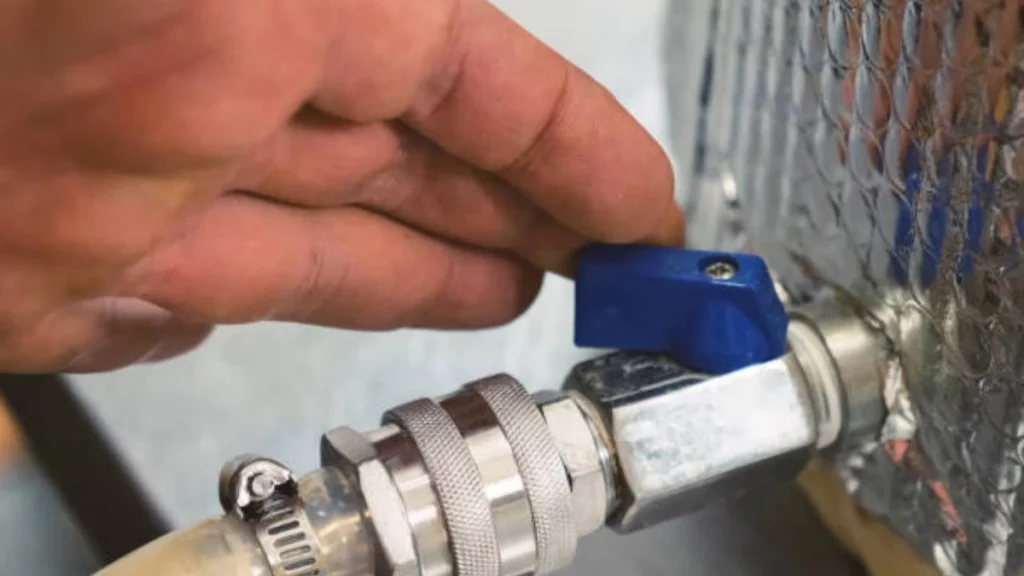
Automatic water level control valves are essential components in modern water systems. These valves maintain a consistent water level in tanks, cisterns, and reservoirs without the need for manual adjustments. By automating the water level regulation process, these valves provide numerous benefits, including enhanced convenience, energy efficiency, and system longevity. In this article, we will explore the various advantages of automatic water level control valves and how they contribute to improved water management in both residential and industrial applications.
Understanding Automatic Water Level Control Valves
Automatic water level control valves are designed to regulate the flow of water into a tank or reservoir. These valves sense the water level and adjust the inflow accordingly to maintain a constant water level. They are commonly used in a variety of systems, including water tanks, boilers, and irrigation systems. The key feature of these valves is their ability to automatically close when the water level reaches a certain point and open when the level drops below the preset limit. This automatic operation eliminates the need for constant manual monitoring.
Convenience and Automation
One of the primary benefits of automatic water level control valves is the convenience they provide. Traditional systems require regular monitoring and manual adjustments to ensure the water level remains constant. This can be time-consuming and labor-intensive, especially in large-scale systems. With an automatic valve, the system regulates the water level without requiring any intervention. This automation reduces the need for constant human involvement, allowing for more efficient and less stressful water management.
Energy Efficiency and Cost Savings
Automatic water level control valves contribute significantly to energy efficiency. In water systems that involve pumps, these valves help prevent overfilling or underfilling of tanks. Overfilling wastes water and energy, while underfilling can lead to inefficient operation or system damage. By maintaining a precise water level, these valves help optimize pump performance and reduce unnecessary energy consumption. This leads to lower electricity costs and more sustainable water use. Additionally, reducing water wastage helps conserve valuable resources, contributing to overall environmental sustainability.
Improved System Longevity
Maintaining a consistent water level is crucial for the longevity of water systems, especially those involving pumps and tanks. Fluctuating water levels can cause damage to pumps, valves, and other system components. Automatic water level control valves help prevent this by ensuring that water levels stay within the recommended range. This reduces wear and tear on the system and minimizes the risk of damage due to excessive pressure or low water levels. By protecting the system from these issues, these valves can extend the lifespan of water infrastructure, saving on costly repairs and replacements.
Precise Water Management
Automatic water level control valves offer precise water management, ensuring that water levels are maintained at optimal levels. In applications such as irrigation systems, maintaining the correct water level is essential for efficient water distribution. Similarly, in boilers and other industrial systems, consistent water levels are necessary for safe and effective operation. These valves ensure that water is added or removed from the system only when necessary, preventing overflow or inadequate water levels. This level of precision helps optimize system performance and reduces the risk of errors or malfunctions.
Applications in Residential and Commercial Systems
Automatic water level control valves are widely used in both residential and commercial water systems. In residential applications, these valves are typically installed in water tanks or cisterns to ensure that they do not overflow or run dry. In larger commercial or industrial systems, such as boilers, irrigation systems, and water treatment plants, these valves play a critical role in maintaining consistent water levels for optimal performance. They are particularly useful in systems that require continuous water supply, where manual monitoring would be impractical or inefficient.
Reducing Maintenance Requirements
Another significant advantage of automatic water level control valves is their ability to reduce maintenance requirements. In traditional systems, manual monitoring and adjustment of water levels can lead to wear and tear on system components. Over time, this increases the frequency and cost of maintenance. Automatic valves, however, operate with minimal intervention, reducing the need for constant checking or repair. Their ability to maintain a steady water level reduces the strain on the system and helps prevent issues before they occur. This results in fewer breakdowns and repairs, contributing to a more reliable and cost-effective system.
Enhanced Safety and Reliability
Automatic water level control valves also contribute to the safety and reliability of water systems. In some applications, such as boilers, maintaining the correct water level is critical for preventing damage to the system or even dangerous situations. For example, low water levels in a boiler can lead to overheating or equipment failure. By automatically regulating the water level, these valves help prevent such issues, ensuring that the system operates safely and reliably. This reduces the risk of accidents and enhances the overall safety of water systems, whether in residential, commercial, or industrial settings.
International Standards for Brass Ball Valve
Brass ball valves are commonly used in fluid control applications due to their durability, reliability, and corrosion resistance. To meet safety and performance standards, they are designed in compliance with various international regulations. For example, ASTM 2846 specifies the requirements for thermoplastic ball valves, while DIN 8079/8080 ensures compatibility with polyethylene and polypropylene pipes. ASTM F441/F441M SCH80 and AS/NZS 1477 set standards for valves in PVC piping systems. These standards guarantee the valve’s performance and safety, ensuring they are suitable for both residential and industrial use. Additionally, certifications such as NSF/ANSI 14 ensure the valves are safe for drinking water systems. Adhering to these international standards ensures that brass ball valves maintain optimal performance, safety, and reliability in a wide range of applications.
Contact
IFAN is a professional manufacturer with 30 years of experience, dedicated to producing high-quality plastic pipes, fittings, and valves. Our products include brass valves, PPR valves, as well as various pipes and fittings to meet different customer needs. Whether you need plumbing and drainage pipes or valve products. IFAN can provide a diverse range of high-quality, cost-effective products to support your projects. Below is our contact information.
We will reply your email or fax within 24 hours.
You can call us at any time if there is any question on our production.
Pls Mailto: [email protected]
Whatsapp: +8619884503412







Recent Comments