
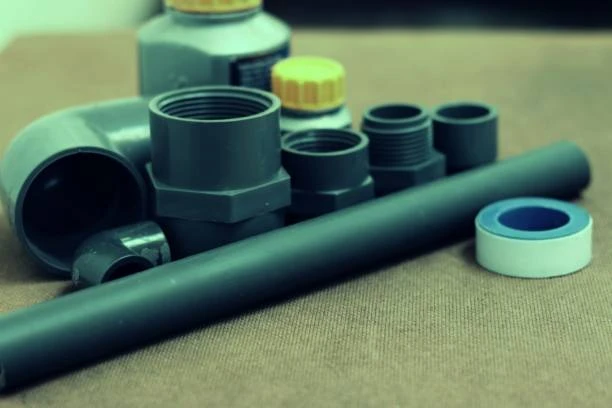
Water supply systems form the backbone of every home, office, and public building. Choosing the right piping material is crucial for safety, reliability, and cost-effectiveness. Safe polyethylene pipes for water supply networks have emerged as a top choice because they combine durability, flexibility, and ease of installation. Unlike traditional metal pipes, polyethylene pipes resist corrosion and scaling, which ensures clean water over time. Furthermore, their lightweight nature makes handling easier for plumbers and reduces installation costs. This article explores the benefits, common uses, installation tips, and comparisons of polyethylene pipes for water supply, giving homeowners and professionals a clear guide to making informed decisions.
Frequently Asked Questions (FAQ)
1. Are polyethylene pipes safe for drinking water?
Yes, polyethylene pipes are approved for potable water in many countries. They do not release harmful chemicals and maintain water quality over time.
2. How long do polyethylene pipes last?
With proper installation, these pipes can last 50 to 100 years. Their resistance to corrosion, scaling, and UV degradation contributes to their long lifespan.
3. Can polyethylene pipes handle hot water?
Standard polyethylene pipes are mostly used for cold water. However, cross-linked polyethylene (PEX) variants can handle hot water up to 90°C, making them suitable for both residential and commercial applications.
4. Are polyethylene pipes easy to install?
Yes, they are lightweight, flexible, and require fewer fittings. This reduces labor time and allows plumbers to navigate complex layouts more easily.
5. Do polyethylene pipes require maintenance?
These pipes are low-maintenance because they resist corrosion and scaling. Periodic inspection is usually sufficient to ensure optimal performance.
What are Polyethylene Pipes?
Polyethylene pipes are flexible, durable tubes made from polyethylene resin. They come in various diameters and thicknesses, allowing them to suit different water supply needs. One of their main characteristics is high chemical resistance, which prevents water contamination. They also have excellent impact resistance, making them less prone to cracks from ground movement or accidental impacts. Because of their smooth interior surface, water flows more efficiently, reducing energy costs for pumping. Additionally, polyethylene pipes can expand slightly under pressure, which reduces the risk of bursting.
Compared to metals, these pipes are lightweight and easy to transport, while still maintaining sufficient strength to handle high-pressure systems. They do not rust, corrode, or accumulate mineral deposits like copper or steel, which means long-term reliability with minimal maintenance. Polyethylene pipes are also environmentally friendly, as they can be recycled and have a smaller carbon footprint than traditional metal pipes.
Common Uses and Application Industries
Polyethylene pipes have a wide range of applications in both residential and commercial sectors. In homes, they are commonly used for cold water supply lines, garden irrigation, and underground plumbing. In commercial buildings, these pipes are found in water distribution systems, fire protection systems, and industrial facilities where clean water is essential. They are also widely used in municipal water networks for their long service life and low maintenance costs.
Industries such as agriculture and construction benefit greatly from polyethylene pipes. In agriculture, they are ideal for irrigation networks due to their flexibility and ability to cover large distances without excessive fittings. In construction, their lightweight and easy installation reduce labor costs, especially in large-scale projects.
Installation Considerations
Installing polyethylene pipes is straightforward, but following best practices ensures maximum performance. First, always check the manufacturer’s specifications for pressure and temperature limits. Trenches for underground pipes should be properly prepared, with smooth bedding to avoid sharp rocks that may puncture the pipe. Use compatible fittings, clamps, and connectors to maintain leak-free connections. When bending the pipe, avoid excessive force that could kink it; using gentle curves ensures proper flow and prevents damage. Finally, always flush the system after installation to remove debris and verify water quality.
For homeowners in Vancouver, stores like Wolseley Plumbing at 1234 Napier St, Vancouver, BC, V6A 2H6 provide high-quality polyethylene pipes and installation advice. Professional support ensures that the pipes meet local safety and building codes, further protecting your water supply.
Polyethylene Pipes vs Other Materials
| Feature | Polyethylene Pipes | Copper Pipes | PVC Pipes | Steel Pipes |
|---|---|---|---|---|
| Corrosion Resistance | Excellent | Poor | Good | Poor |
| Lifespan (Years) | 50–100 | 50–70 | 25–50 | 30–50 |
| Flexibility | High | Low | Medium | Low |
| Installation Ease | Easy | Moderate | Easy | Hard |
| Chemical Resistance | Excellent | Moderate | Good | Moderate |
| Maintenance Requirement | Low | Medium | Low | High |
As shown in the table, polyethylene pipes outperform traditional materials in corrosion resistance, flexibility, and low maintenance. While copper has a proven track record, it is prone to corrosion and requires more labor-intensive installation. PVC pipes are lightweight but less flexible, making them harder to navigate in complex layouts. Steel pipes are strong but heavy and susceptible to rust, increasing long-term maintenance costs.
Conclusion
Safe polyethylene pipes for water supply networks offer an excellent combination of reliability, flexibility, and long-term cost savings. Their resistance to corrosion and scaling ensures clean water, while their easy installation reduces labor costs. Suitable for residential, commercial, and agricultural applications, polyethylene pipes have become a preferred choice for water distribution systems. By choosing high-quality products and following proper installation practices, homeowners and professionals can enjoy decades of dependable service. For those in Vancouver, Wolseley Plumbing at 1234 Napier St, Vancouver, BC, V6A 2H6 provides expert advice and premium polyethylene pipes to keep your water system safe and efficient.
IFAN’s international standards
IFAN products comply with a wide range of international standards to ensure safety, reliability, and high performance. These standards include ASTM 2846, DIN 8079/8080, ASTM F441/F441M SCH80, GB/T 18993 series, AS/NZS 1477, CSA B137.6, NSF/ANSI 14, and TIS 17-2532/1131-2535. By adhering to these recognized standards, IFAN guarantees that all pipelines and fittings meet global quality requirements and perform consistently under diverse conditions.
Contact
IFAN is a professional manufacturer with 30 years of experience, dedicated to producing high-quality plastic pipes, fittings, and valves. Our products include brass valves, PPR valves, as well as various pipes and fittings to meet different customer needs. Whether you need plumbing and drainage pipes or valve products. IFAN can provide a diverse range of high-quality, cost-effective products to support your projects. Below is our contact information.
We will reply your email or fax within 24 hours.
You can call us at any time if there is any question on our production.
Pls Mailto:[email protected]



Recent Comments