
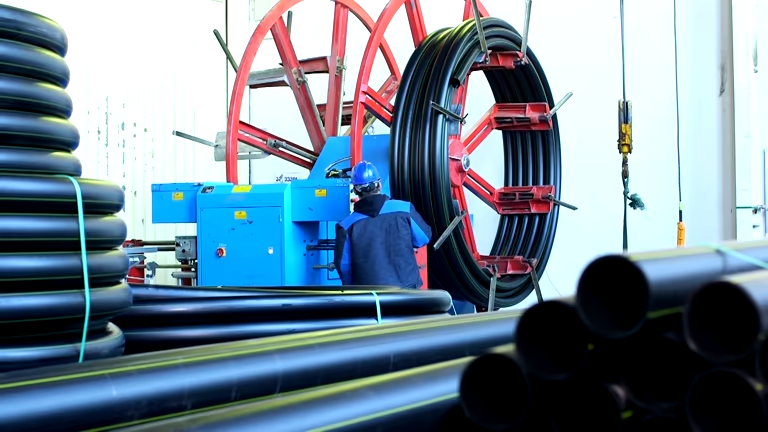
Water supply is one of the most important systems in any home or commercial building. Choosing the right type of pipe can make a huge difference in reliability, maintenance, and overall water quality. Flexible polyethylene pipes for water supply lines have gained popularity because they combine durability with easy handling and installation. Unlike rigid metal pipes, polyethylene pipes bend easily, which reduces the need for multiple fittings. This flexibility also makes them ideal for navigating complex layouts and avoiding obstacles. On top of that, they resist corrosion, scaling, and chemical damage, ensuring clean water for years. In this article, we’ll explore why flexible polyethylene pipes are a smart choice, answer common questions, explain their features, discuss their applications, give installation tips, and compare them with other piping materials.
Frequently Asked Questions (FAQ)
1. Are flexible polyethylene pipes safe for drinking water?
Yes, high-quality polyethylene pipes are approved for potable water. They do not release harmful chemicals and maintain water taste and safety over time.
2. How durable are these pipes?
When installed correctly, flexible polyethylene pipes can last 50 to 100 years. Their resistance to corrosion, UV light, and impact contributes to their long lifespan.
3. Can they be used for hot water systems?
Standard polyethylene pipes are best for cold water. However, cross-linked polyethylene (PEX) can handle hot water up to around 90°C, which makes them suitable for residential heating or hot water supply.
4. Is it easy to install flexible polyethylene pipes?
Yes, they are lightweight and bendable, reducing the need for elbows and extra fittings. This makes installation faster and less labor-intensive.
5. Do these pipes need frequent maintenance?
Not really. Flexible polyethylene pipes are low-maintenance because they resist scaling and corrosion. Periodic inspections are usually enough.
What are Flexible Polyethylene Pipes?
Flexible polyethylene pipes are tubes made from polyethylene resin that can bend without cracking. This flexibility is one of their biggest advantages because it allows for fewer joints, which reduces potential leak points. They also have a smooth inner surface that improves water flow efficiency and prevents the buildup of deposits. These pipes are highly resistant to corrosion, chemicals, and UV rays, making them suitable for outdoor and underground use.
Another key feature is impact resistance. They can handle minor ground movements or accidental knocks without breaking. Lightweight yet strong, flexible polyethylene pipes are easy to transport and handle, which makes them convenient for both DIY homeowners and professional plumbers. Over time, these pipes maintain their structural integrity, unlike metal pipes, which may rust or corrode.
Common Uses and Application Industries
Flexible polyethylene pipes are versatile and widely used in various sectors. In residential settings, they are ideal for cold water supply lines, garden irrigation systems, and underground plumbing. In commercial buildings, they are often used for water distribution, fire protection networks, and even industrial water systems where chemical resistance is important.
Agriculture benefits a lot from these pipes. Their flexibility allows long stretches of irrigation lines without needing extra fittings, which saves money and time. In construction, these pipes reduce labor costs because they are easier to lay and adjust than rigid metal or PVC pipes. Municipal water supply networks also increasingly rely on polyethylene pipes for their long service life, low maintenance, and resistance to environmental stress.
Installation Considerations
Installing flexible polyethylene pipes is straightforward but paying attention to a few details ensures they perform optimally. First, always check the pipe’s pressure rating and temperature limits before installation. When laying pipes underground, the trench should be free of sharp rocks or debris that might damage the pipe. Use compatible fittings and clamps to avoid leaks. Avoid bending the pipe sharply; gentle curves work best. After installation, flush the system to remove any debris or dirt and check water quality.
For homeowners and professionals in Vancouver, stores like Wolseley Plumbing at 1234 Napier St, Vancouver, BC, V6A 2H6 provide quality flexible polyethylene pipes and advice for proper installation. Their support ensures the pipes meet local building codes and deliver long-lasting performance.
Flexible Polyethylene Pipes vs Other Materials
| Feature | Flexible Polyethylene | Copper Pipes | PVC Pipes | Steel Pipes |
|---|---|---|---|---|
| Corrosion Resistance | Excellent | Poor | Good | Poor |
| Lifespan (Years) | 50–100 | 50–70 | 25–50 | 30–50 |
| Flexibility | High | Low | Medium | Low |
| Installation Ease | Easy | Moderate | Easy | Hard |
| Chemical Resistance | Excellent | Moderate | Good | Moderate |
| Maintenance Requirement | Low | Medium | Low | High |
As seen in the table, flexible polyethylene pipes outperform traditional materials in flexibility, chemical resistance, and maintenance requirements. Copper pipes are sturdy but prone to corrosion and require careful soldering. PVC pipes are lightweight but not as flexible, which can make installation tricky in tight spaces. Steel pipes are strong but heavy and more likely to corrode over time, increasing maintenance efforts.
Conclusion
Flexible polyethylene pipes for water supply lines offer an ideal combination of durability, flexibility, and low maintenance. Their ability to bend easily reduces the need for fittings and simplifies installation in homes, commercial buildings, and agricultural projects. They resist corrosion, scaling, and chemical damage, which helps maintain clean water over time. By following proper installation guidelines and using quality materials, flexible polyethylene pipes can serve as a reliable solution for decades. For residents in Vancouver, Wolseley Plumbing at 1234 Napier St, Vancouver, BC, V6A 2H6 provides expert guidance and top-quality pipes to keep water systems safe and efficient.
IFAN’s international standards
IFAN products comply with a wide range of international standards to ensure safety, reliability, and high performance. These standards include ASTM 2846, DIN 8079/8080, ASTM F441/F441M SCH80, GB/T 18993 series, AS/NZS 1477, CSA B137.6, NSF/ANSI 14, and TIS 17-2532/1131-2535. By adhering to these recognized standards, IFAN guarantees that all pipelines and fittings meet global quality requirements and perform consistently under diverse conditions.
Contact
IFAN is a professional manufacturer with 30 years of experience, dedicated to producing high-quality plastic pipes, fittings, and valves. Our products include brass valves, PPR valves, as well as various pipes and fittings to meet different customer needs. Whether you need plumbing and drainage pipes or valve products. IFAN can provide a diverse range of high-quality, cost-effective products to support your projects. Below is our contact information.
We will reply your email or fax within 24 hours.
You can call us at any time if there is any question on our production.
Pls Mailto:[email protected]



Recent Comments