
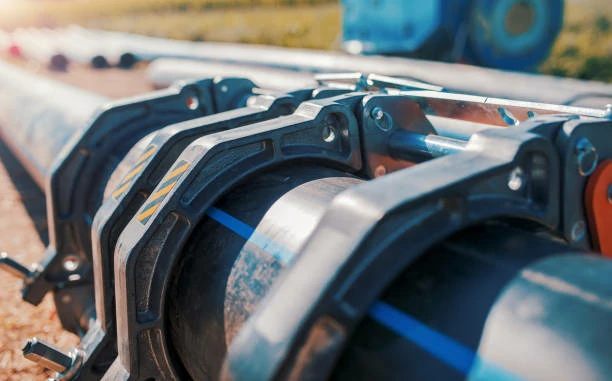
Polyethylene pipes for water supply give homeowners, contractors, and builders a dependable option that feels simple, practical, and easy to work with. Many people choose this kind of pipe because it stays strong under pressure, handles real-world conditions well, and saves time during installation. Before diving into all the details, I want to give you a quick idea of what you will learn in this article. You will see why this pipe material stands out, how people use it in different industries, what to keep in mind during installation, and how it compares to other pipe options. And if you happen to be in the Vancouver area and want to buy these products locally, you can check out Wolseley Plumbing at 1234 Napier St, Vancouver, BC, V6A 2H6.
1. Summary of the article
When someone looks for a long-lasting and reliable material for a water system, polyethylene pipes for water supply often appear at the top of the list. This material offers strong durability, great resistance to corrosion, and impressive flexibility. Many installers choose it because it cuts easily, bends easily, and reduces the amount of work on corners and connections. Homeowners like it because it keeps the water system stable for many years with minimal issues. In this article, you will see its definition, features, uses, installation notes, and a comparison with other commonly used pipe materials.
2. Frequently Asked Questions (FAQ)
1. Why do people prefer polyethylene pipes for water supply?
People choose them because they last long, handle pressure well, and adapt to many installation environments. The flexibility and simple installation attract both professionals and beginners.
2. Can polyethylene pipes handle cold climates?
Yes. The pipe stays flexible even in freezing conditions, so it does not crack easily when temperatures drop.
3. Can I use these pipes in both houses and commercial buildings?
Yes. This kind of pipe works in homes, apartments, commercial buildings, farms, and industrial facilities.
4. Do I need special tools for installation?
You need cutters and matching fittings, but the tools are easy to use. Most people learn quickly and feel comfortable with the process.
5. How long can polyethylene pipes for water supply last?
These pipes deliver long service life. With correct installation, many systems run for decades without major problems.
3. Basic definition and main features
Polyethylene pipes for water supply come from high-density or medium-density polyethylene materials. Even though the name sounds technical, the idea stays simple. It is a lightweight but strong plastic pipe that works under pressure and fits well in many water line designs.
One of its biggest strengths is flexibility. You can run the pipe along uneven walls, curves, or underground routes without adding too many connectors. This saves time and lowers the risk of leaks.
The second major advantage is corrosion resistance. Metal pipes struggle with rust, minerals in water, or underground moisture. Polyethylene stays stable, which makes the system safer in the long term.
Another benefit is low weight. Moving the pipe around the worksite, cutting it, and fitting it in place all take less effort. A single installer can carry long sections without trouble.
Polyethylene also handles pressure changes smoothly. When water flow increases or decreases suddenly, the pipe structure stays steady and reduces stress on the system.
In addition, the pipe works in many different climates and installation conditions. Hot areas, cold areas, underground applications, or exposed locations can all work well as long as you choose the right pressure rating.
4. Common uses and typical industries
This type of pipe appears in many fields because it fits so many needs.
Residential water supply
Homeowners choose it for running water lines inside walls, floors, ceilings, and underground parts of the property. It works for new installations and upgrades.
Municipal water networks
Cities often use polyethylene for distribution lines because the material handles soil movement and long-distance pressure conditions.
Agricultural irrigation
Farmers use it for field irrigation because it bends easily, weighs very little, and moves water efficiently over long distances.
Industrial water systems
Factories choose it for cooling water, process water, or general supply lines. Its chemical resistance helps in environments where metal pipes fail earlier.
Construction site or temporary projects
Temporary water systems on job sites benefit from fast installation, and polyethylene gives exactly that.
These examples show how flexible the material is. It fits everything from a single home to a large-scale industrial project.
6. Installation notes and helpful tips
Good installation ensures a long-lasting water system. Here are some practical tips that help you get better results.
1. Pick the correct pipe diameter
Choose a size that matches the water flow requirements. Undersized pipes create noise, pressure loss, and weak water supply.
2. Cut the pipe clean and straight
Use a proper cutter so the ends stay smooth. This helps the fitting connect firmly and reduces the chance of leaks.
3. Use proper fittings designed for polyethylene
Compression fittings, mechanical couplings, and electrofusion options all work well. You only need to match the fitting with the pipe rating and size.
4. Reduce long-term direct sunlight
Even though the material handles outdoor use, long-term UV exposure reduces lifespan. A cover or protective layer solves this problem easily.
5. Follow correct bend radius
The pipe bends well, but bending it too sharply stresses the material. Follow the recommended bend radius to keep the line stable for years.
These small steps help create a strong and trouble-free water system.
7. Polyethylene pipes vs other pipe materials
Here is a simple comparison with other common pipe materials so you can understand the differences more clearly.
| Pipe Material | Flexibility | Corrosion Resistance | Weight | Installation Difficulty | Cost Level |
|---|---|---|---|---|---|
| Polyethylene (PE) | High | Excellent | Very light | Easy | Low to medium |
| Copper | Low | Moderate | Medium | Hard | High |
| Steel | Very low | Poor | Heavy | Hard | Medium |
| PPR | Medium | Good | Light | Medium | Medium |
This comparison makes it easy to see why polyethylene continues to take a bigger share of the market.
8. Conclusion
If you want a water system that installs easily, adapts well to different conditions, resists corrosion, and performs consistently for many years, polyethylene pipes for water supply offer a strong choice. The material works in homes, farms, factories, and even city water systems. It gives reliable flow, long service life, and lower installation effort compared to traditional metal pipes.
The cost stays reasonable, the performance stays stable, and the installation process stays simple for both professionals and new users. Because of that combination, many modern plumbing projects move toward polyethylene instead of older materials.
If you live near Vancouver and want to see the products in person before buying, you can visit Wolseley Plumbing at 1234 Napier St, Vancouver, BC, V6A 2H6. It gives you the chance to compare different specifications and choose the one that fits your project.
IFAN’s international standards
IFAN products comply with a wide range of international standards to ensure safety, reliability, and high performance. These standards include ASTM 2846, DIN 8079/8080, ASTM F441/F441M SCH80, GB/T 18993 series, AS/NZS 1477, CSA B137.6, NSF/ANSI 14, and TIS 17-2532/1131-2535. By adhering to these recognized standards, IFAN guarantees that all pipelines and fittings meet global quality requirements and perform consistently under diverse conditions.
Contact
IFAN is a professional manufacturer with 30 years of experience, dedicated to producing high-quality plastic pipes, fittings, and valves. Our products include brass valves, PPR valves, as well as various pipes and fittings to meet different customer needs. Whether you need plumbing and drainage pipes or valve products. IFAN can provide a diverse range of high-quality, cost-effective products to support your projects. Below is our contact information.
We will reply your email or fax within 24 hours.
You can call us at any time if there is any question on our production.
Pls Mailto:[email protected]





Recent Comments