
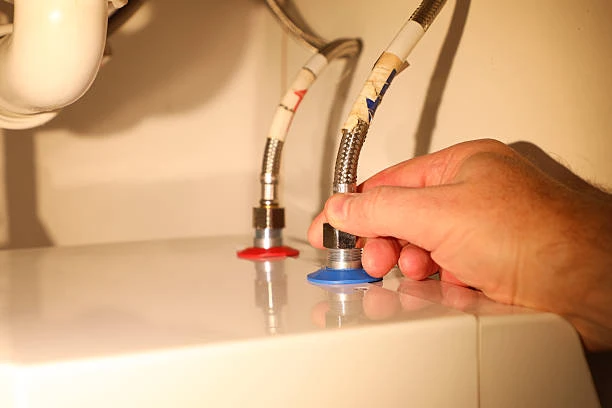
In the building industry, tools and equipment must deliver dependable performance under demanding conditions. The reinforced braid hose stands out as a versatile and reliable component that supports a wide range of tasks, from water delivery to pneumatic tool operation. Its unique construction allows it to handle high pressures, resist wear, and remain flexible in dynamic work environments. Whether it is supplying water to construction areas, carrying compressed air to power tools, or transferring fuels for heavy machinery, the reinforced braid hose has become an essential solution for modern building projects. Understanding its features, applications, and best practices helps professionals select the right hose for their needs and maximize efficiency on-site.
Frequently Asked Questions (FAQ)
1. What is the main advantage of using a reinforced braid hose in building projects?
It offers a combination of high strength and flexibility, allowing it to withstand the pressure and abrasion common on construction sites while remaining easy to handle.
2. Can reinforced braid hoses be used for both water and air in construction?
Yes. Many reinforced braid hoses are designed to carry multiple types of fluids and gases, provided that the inner tube material is compatible with the substance being transported.
3. How long does a reinforced braid hose last in building environments?
With proper care, these hoses can last several years. Factors such as exposure to sunlight, chemicals, or sharp surfaces can affect their lifespan, so regular inspection and correct storage are important.
4. Are reinforced braid hoses suitable for heavy-duty applications like concrete spraying?
Yes. If chosen with the right specifications, they can handle abrasive mixtures and high pressures, making them suitable for concrete pumping or spraying.
5. How should reinforced braid hoses be maintained on construction sites?
Hoses should be checked regularly for cracks, wear, or leaks. They should be stored in a cool, shaded area and kept away from sharp edges or extreme bending to extend their service life.
Basic Definition and Features
A reinforced braid hose is a flexible hose with an additional layer of woven material, often nylon, polyester, or stainless steel, to strengthen its structure. This braided layer improves the hose’s pressure tolerance, abrasion resistance, and structural stability.
In building applications, these hoses generally have three layers:
- Inner Tube – The channel through which liquids or gases pass, made from materials such as PVC, rubber, or polyurethane to suit different applications.
- Braided Reinforcement – A woven mesh that distributes pressure evenly along the hose’s length, preventing expansion or bursting.
- Outer Cover – A durable layer that protects against weather, abrasion, and surface damage.
Key characteristics for the building industry include:
- High Pressure Capacity – Enables safe operation with pumps and compressors used in construction.
- Excellent Abrasion Resistance – Prevents premature wear when dragged over concrete, metal, or gravel.
- Good Flexibility – Allows routing through scaffolding, tight corners, and around equipment without kinking.
- Temperature Resistance – Performs reliably in both hot summer heat and cold winter conditions.
- Long Service Life – Reduces downtime and replacement costs, improving overall site efficiency.
Common Uses and Applications in the Building Industry
The versatility of reinforced braid hoses makes them valuable in various building-related tasks:
- Water Delivery for Construction Needs
Whether supplying water for mixing cement, cleaning tools, or controlling dust, reinforced braid hoses maintain strong flow without collapsing under pressure. - Compressed Air Supply for Tools
Pneumatic drills, nail guns, and other air-powered tools depend on stable air delivery. The braided structure ensures consistent pressure, which keeps tools running efficiently. - Fuel Transfer for Machinery
Construction machines such as loaders, excavators, and generators require safe and steady fuel supply. The braid reinforcement resists expansion and protects against fuel-related damage. - Concrete Pumping and Spraying
Specially designed reinforced braid hoses can handle abrasive concrete mixtures while preventing damage to the inner tube, making them essential for specialized concrete work. - Chemical Application for Building Maintenance
For waterproofing, pest control, or cleaning, hoses with chemical-resistant linings ensure safe transfer of liquids without degrading. - Temporary Plumbing and Site Utilities
Building sites often need temporary water lines for restrooms, wash stations, or cooling systems. These hoses are easy to install and relocate as the site layout changes.
Related Industries Supporting Building Projects
Reinforced braid hoses are also widely used in industries connected to construction:
- Mining and Quarrying – For dust suppression and water supply in excavation zones.
- Agriculture During Land Development – For irrigation or chemical application before construction begins.
- Oil and Gas Infrastructure – For fluid transfer during site preparation or installation.
- Municipal Utility Work – For water distribution, concrete pumping, and sewer line maintenance.
Summary
In the building industry, the reinforced braid hose is more than just a simple piece of equipment. It is a high-performance tool that delivers strength, durability, and versatility to meet the demands of modern construction sites. Its braided reinforcement allows it to handle high pressures, resist wear from rough surfaces, and remain flexible for easy handling. Whether for water, air, fuel, or chemicals, it plays a critical role in keeping projects efficient and safe. By choosing the right type of reinforced braid hose and maintaining it properly, building professionals can ensure reliable service and reduce operational downtime, making it an investment that pays off across many projects.
If you want, I can also create an expanded on-site safety and selection checklist for reinforced braid hoses tailored specifically for the building industry, which would make this article even more actionable and SEO-friendly.
Do you want me to prepare that next?
Contact
IFAN is a professional manufacturer with 30 years of experience, dedicated to producing high-quality plastic pipes, fittings, and valves. Our products include brass valves, PPR valves, as well as various pipes and fittings to meet different customer needs. Whether you need plumbing and drainage pipes or valve products. IFAN can provide a diverse range of high-quality, cost-effective products to support your projects. Below is our contact information.
We will reply your email or fax within 24 hours.
You can call us at any time if there is any question on our production.
Pls Mailto:[email protected]


Recent Comments