
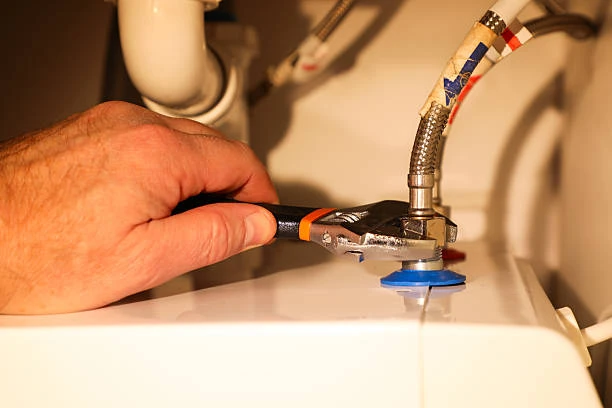
In construction, every piece of equipment must deliver consistent performance under challenging conditions. The reinforced braid hose is a perfect example of a tool that combines strength, flexibility, and reliability to meet the high demands of building sites. Whether used for transporting water, compressed air, fuel, or certain chemicals, this type of hose offers unmatched durability while maintaining easy handling for workers. Construction projects often involve heavy machinery, abrasive materials, and extreme weather, and reinforced braid hoses are designed to keep operations running smoothly without frequent replacement. This article explains the key features, definitions, and common construction-related applications of reinforced braid hoses, while also answering questions that many users in the industry often ask.
Frequently Asked Questions (FAQ)
1. Why are reinforced braid hoses important for construction projects?
They provide the strength needed to handle high pressures while maintaining flexibility for quick setup and movement on job sites. Their braided layer prevents bursting and reduces wear, which helps ensure safety and efficiency.
2. Can a reinforced braid hose be used with both water and compressed air in construction?
Yes. Many reinforced braid hoses are designed to carry multiple types of fluids and gases, provided the inner tube material is compatible. This versatility is valuable for construction crews that need a single hose type for various tasks.
3. How long does a reinforced braid hose last in a construction environment?
With proper use and maintenance, these hoses can last for years. Factors such as abrasion, UV exposure, and chemical contact can affect lifespan, so regular inspection is recommended.
4. Are reinforced braid hoses safe to use with heavy equipment?
Yes, as long as the hose’s specifications match the operating pressure, temperature, and fluid type. Many construction-grade hoses are built to withstand vibration and movement from machinery without damage.
5. How can workers maintain reinforced braid hoses on-site?
Routine checks for kinks, cracks, or worn spots are essential. Hoses should be stored in a clean, shaded area when not in use, and fittings should be inspected regularly to prevent leaks.
Basic Definition and Features
A reinforced braid hose is a flexible tubing solution with an internal braid layer designed to increase strength and resistance to pressure. In construction, these hoses typically feature:
- Inner Tube – The inner lining that carries the water, air, fuel, or chemicals. Materials may include PVC, rubber, or synthetic polymers depending on use.
- Braided Reinforcement – A woven mesh of nylon, polyester, or stainless steel that strengthens the hose without making it rigid.
- Outer Cover – A protective layer that shields the hose from abrasion, sunlight, and environmental wear.
Key characteristics that benefit construction work include:
- High Pressure Tolerance – Allows safe operation with powerful pumps and compressors.
- Abrasion Resistance – Reduces damage when dragged over rough concrete, gravel, or metal.
- Flexibility – Makes routing through tight spaces or around scaffolding easier.
- Temperature Stability – Works in hot and cold environments, from summer heat to winter frost.
- Durability – Prolongs service life, reducing downtime and replacement costs.
Common Uses and Application Industries in Construction
The construction industry uses reinforced braid hoses in many areas. Their adaptability allows them to support a variety of tasks, such as:
- Water Supply for Construction Sites
Supplying water to mixers, dust control systems, or cleaning areas requires hoses that can handle continuous flow without kinking or bursting. Reinforced braid hoses maintain smooth flow even under pressure changes. - Compressed Air Lines for Pneumatic Tools
Powering nail guns, drills, jackhammers, and other air-driven tools demands hoses that can hold pressure without expanding. The braided layer keeps the hose stable and safe to use. - Fuel Transfer for Machinery
On-site generators, excavators, and loaders need a steady fuel supply. Reinforced braid hoses resist swelling or degradation when exposed to diesel or gasoline. - Concrete Spraying and Pumping Systems
When used for certain stages of concrete delivery or spraying, these hoses must withstand abrasive mixtures. A durable outer cover prevents wear while the braid maintains shape. - Chemical Application in Construction
For treatments like pest control, waterproofing, or cleaning with industrial solutions, a chemical-resistant inner tube is paired with braid reinforcement for both safety and strength. - Temporary Water Lines for Site Facilities
Construction sites often need temporary plumbing for wash stations or cooling systems. Reinforced braid hoses can be quickly deployed and removed as site needs change.
Additional Industries Related to Construction
While construction is a primary field, reinforced braid hoses also support related industries that often work alongside building projects:
- Mining Operations – Similar environmental challenges to construction mean these hoses perform well for dust suppression and equipment cooling.
- Agriculture During Land Development – When preparing construction on farmland, hoses can serve for irrigation or chemical application.
- Oil and Gas Projects – In site preparation and rig setup, reinforced braid hoses handle water, hydraulic fluids, and air lines reliably.
- Municipal Infrastructure Work – Road building and utility installations require high-performance hoses for water delivery, grout pumping, and equipment operation.
Summary
The reinforced braid hose is an indispensable tool in modern construction, offering the perfect balance of strength, flexibility, and reliability. Its braided reinforcement layer allows it to withstand high pressures, resist wear, and adapt to multiple site requirements. From supplying water and air to delivering fuel and chemicals, this hose ensures projects stay on schedule and operate safely. For construction teams, choosing the right reinforced braid hose means fewer delays, lower replacement costs, and better overall site performance. Whether you’re building skyscrapers, paving roads, or installing utilities, this hose type stands out as a dependable partner in the field.
If you want, I can also prepare an industry-specific “selection and safety guide” for reinforced braid hoses in construction, which would make the article even more valuable for ranking on search engines and for practical on-site reference.
Do you want me to create that version next?
Contact
IFAN is a professional manufacturer with 30 years of experience, dedicated to producing high-quality plastic pipes, fittings, and valves. Our products include brass valves, PPR valves, as well as various pipes and fittings to meet different customer needs. Whether you need plumbing and drainage pipes or valve products. IFAN can provide a diverse range of high-quality, cost-effective products to support your projects. Below is our contact information.
We will reply your email or fax within 24 hours.
You can call us at any time if there is any question on our production.
Pls Mailto:[email protected]




Recent Comments