
Introduction
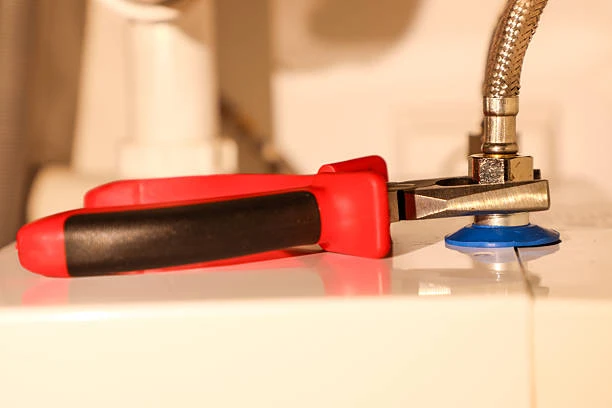
Metal pipe braid hoses are essential components in industries requiring durable, high-pressure fluid and gas transfer solutions. These hoses combine a flexible inner core with a robust metal braid reinforcement, offering superior resistance to pressure, temperature extremes, and mechanical stress. Their multi-layered construction—typically featuring a corrugated metal tube, stainless steel braiding, and protective fittings—ensures reliability in demanding environments such as chemical processing, aerospace, and oil & gas. This article explores the materials used in metal pipe braid hoses, their structural advantages, key applications, and answers common questions about their selection and maintenance.
Basic Definition and Characteristics
A metal pipe braid hose consists of three primary components:
- Inner Core (Corrugated Tube):
- Made from stainless steel (304, 316), PTFE, or specialized alloys for chemical resistance.
- Corrugated design enhances flexibility while maintaining structural integrity.
- Braid Reinforcement Layer:
- Typically woven from stainless steel wire (single or double braid) for tensile strength.
- Prevents elongation under pressure and protects against external damage.
- End Fittings & Collars:
- Constructed from stainless steel, brass, or carbon steel for secure connections.
- Options include flanged, threaded, or welded ends for industry-specific needs.
Key Features:
- Pressure Resistance: Ranges from 100 to 6,000 psi, depending on braid layers and material thickness.
- Temperature Range: Withstands -40°C to +1,000°C (with specialized alloys).
- Flexibility: Corrugated design allows tight bend radii (as low as 2x the hose diameter).
- Durability: Resists abrasion, UV exposure, and chemical corrosion.
- Certifications: Complies with ISO 10380, ASME B31.1, and FDA for food-grade applications.
Materials Used in Metal Pipe Braid Hoses
1. Stainless Steel (304/316)
- Primary Use: Hydraulic systems, chemical transfer, and high-temperature steam lines.
- Advantages: Excellent corrosion resistance, high strength-to-weight ratio, and longevity.
- Limitations: Higher cost compared to carbon steel.
2. PTFE (Polytetrafluoroethylene)
- Primary Use: Chemical processing, pharmaceuticals, and ultra-pure fluid transfer.
- Advantages: Inert to most chemicals, low friction, and operates up to 260°C.
3. Nickel Alloys (Inconel, Monel)
- Primary Use: Aerospace, offshore oil rigs, and extreme-temperature applications.
- Advantages: Resists oxidation and performs under 1,000°C+ conditions.
4. Carbon Steel with Zinc Coating
- Primary Use: Low-cost industrial applications where corrosion is less critical.
- Advantages: Economical but requires maintenance in humid environments.
5. Titanium (Aerospace & Medical)
- Primary Use: Lightweight, high-strength needs in aviation and medical gas systems.
- Advantages: Biocompatible and resistant to saltwater corrosion.
Common Uses and Industries
1. Oil & Gas
- Applications: Offshore drilling, fuel transfer, and hydraulic fracturing.
- Requirements: High-pressure tolerance (5,000+ psi) and resistance to H₂S corrosion.
2. Chemical Processing
- Applications: Acid transfer, chlorine handling, and solvent distribution.
- Requirements: PTFE-lined hoses with double-braid reinforcement for safety.
3. Aerospace & Defense
- Applications: Fuel lines, hydraulic systems, and engine cooling.
- Requirements: Lightweight titanium or Inconel hoses with fireproof coatings.
4. Food & Beverage
- Applications: Sanitary fluid transfer (e.g., dairy, brewing).
- Requirements: FDA-compliant stainless steel (316L) with smooth inner surfaces.
5. Power Generation
- Applications: Steam condensate lines, turbine cooling.
- Requirements: High-temperature alloys with burst pressures exceeding 3,000 psi.
FAQs (Frequently Asked Questions)
1. What’s the difference between single-braid and double-braid hoses?
- Single-braid: For moderate pressures (up to 1,500 psi), offering flexibility.
- Double-braid: Handles 3,000+ psi, ideal for hydraulic and industrial uses.
2. How do I choose the right material for corrosive fluids?
- PTFE for acids, 316 stainless steel for chlorides, Hastelloy for extreme chemicals.
3. What’s the typical lifespan of a metal braid hose?
- 10–20 years with proper maintenance, but inspect annually for wear.
4. Can these hoses be repaired if damaged?
- No—replace damaged sections immediately to avoid leaks or bursts.
5. Are metal braid hoses suitable for outdoor use?
- Yes, stainless steel resists UV and weathering, but protect fittings from moisture.
Conclusion
Metal pipe braid hoses are indispensable in industries demanding reliability under extreme conditions. Their construction—combining a flexible inner core with durable metal braiding—ensures performance in high-pressure, high-temperature, and corrosive environments. Material selection (stainless steel, PTFE, or nickel alloys) depends on chemical compatibility and operational demands, while proper installation and maintenance extend service life. From oil rigs to pharmaceutical plants, these hoses provide a safe, efficient solution for critical fluid transfer needs. By understanding their materials and applications, engineers can optimize system performance while minimizing downtime and safety risks.
Contact
IFAN is a professional manufacturer with 30 years of experience, dedicated to producing high-quality plastic pipes, fittings, and valves. Our products include brass valves, PPR valves, as well as various pipes and fittings to meet different customer needs. Whether you need plumbing and drainage pipes or valve products. IFAN can provide a diverse range of high-quality, cost-effective products to support your projects. Below is our contact information.
We will reply your email or fax within 24 hours.
You can call us at any time if there is any question on our production.
Pls Mailto:[email protected]




Recent Comments