
1. Summary of the Article
Reinforced braid hoses are critical components in a wide variety of industries. Their strength, flexibility, and ability to handle pressure make them ideal for transporting liquids, gases, and even chemicals in both commercial and industrial environments. From automotive manufacturing to food and beverage production, these hoses ensure reliable, leak-free operations. This article explores the industries that rely most heavily on reinforced braid hoses, explaining their core features and showcasing practical use cases. Whether you’re a supplier, technician, or engineer, understanding how these hoses support different sectors will help you make more informed decisions.
2. Frequently Asked Questions (FAQ)
Q1: What industries commonly use reinforced braid hoses?
Reinforced braid hoses are used in plumbing, automotive, food and beverage, chemical processing, pharmaceuticals, agriculture, and manufacturing.
Q2: Why are reinforced braid hoses preferred over standard hoses in industrial settings?
They offer superior pressure resistance, flexibility, and durability, which are essential in demanding environments with frequent fluid or gas transfer.
Q3: Can reinforced braid hoses be used with chemicals or aggressive fluids?
Yes, depending on the inner tube material—such as PTFE, EPDM, or silicone—they can safely carry acids, solvents, and reactive substances.
Q4: Are these hoses suitable for sanitary applications like food and drink?
Absolutely. Food-grade versions meet strict hygiene standards and are ideal for transferring milk, water, beer, and other consumables.
Q5: How do different industries customize reinforced braid hoses for their needs?
Industries select different core materials, braid types, hose diameters, lengths, and fitting styles to match specific pressure, temperature, and compatibility requirements.
3. Definition and Key Features of Reinforced Braid Hose
A reinforced braid hose is a flexible tube that contains an inner core surrounded by a braided outer layer. This braided structure—made from stainless steel, nylon, or polyester—strengthens the hose and protects it from external damage while preventing expansion under pressure.
Let’s look at the key features that make reinforced braid hoses ideal for industrial applications:
- High Pressure Resistance: The braided reinforcement allows the hose to carry fluids or gases under high pressure without deforming or bursting.
- Enhanced Durability: These hoses are built to last, even under harsh working conditions such as heat, vibration, or constant movement.
- Chemical Compatibility: Inner tubes made from specialized materials (e.g., PTFE or EPDM) handle aggressive chemicals safely.
- Thermal Performance: Many reinforced hoses operate efficiently in both high and low temperatures.
- Flexible Design: They bend easily and fit into tight or angled spaces, making them convenient to install in complex systems.
- Kink and Abrasion Resistance: The braid prevents the hose from kinking and protects it against wear and external impact.
These features make reinforced braid hoses versatile enough for use across different sectors with demanding operating conditions.
4. Common Uses and Applications by Industry
Reinforced braid hoses serve a wide range of industries. Below is a breakdown of how different sectors benefit from these high-performance components:
Plumbing and Building Services
In both residential and commercial construction, reinforced braid hoses are frequently used in water supply systems. They connect faucets, toilets, dishwashers, and water heaters to main water lines. Their pressure tolerance and flexibility make them easy to work with, even in tight installation spaces.
- Typical fluids: Hot and cold water
- Common fittings: Brass or stainless steel
- Benefits: Leak prevention, corrosion resistance, long service life
Automotive and Transportation
The automotive industry relies heavily on reinforced braid hoses for critical fluid systems such as fuel lines, brake hoses, and cooling systems. The braided layer ensures safe operation even in high-temperature engine bays or under heavy mechanical stress.
- Typical fluids: Fuel, oil, brake fluid, coolant, air
- Common materials: Rubber core with steel or nylon braid
- Benefits: Vibration resistance, heat tolerance, and safety under high pressure
Food and Beverage Industry
Food-grade reinforced braid hoses are essential in hygienic environments. They transport liquid ingredients during production, bottling, and cleaning operations. Smooth, non-reactive inner linings prevent contamination and allow for easy cleaning.
- Typical fluids: Water, milk, syrup, beer, juice, CO₂ gas
- Common materials: Silicone or PTFE with polyester braid
- Benefits: Food safety, transparency for visual inspection, sterilizability
Chemical and Pharmaceutical Processing
Reinforced hoses in this sector must resist harsh chemicals and maintain performance under strict safety and purity standards. Labs and factories use them to move reactive or hazardous fluids without the risk of corrosion or degradation.
- Typical fluids: Acids, bases, solvents, alcohols
- Common materials: PTFE or EPDM core with stainless steel braid
- Benefits: Chemical inertness, temperature resistance, contamination prevention
Agriculture and Irrigation
Farmers use reinforced hoses for irrigation systems, pesticide spraying, and nutrient distribution. Their resistance to weather conditions, UV radiation, and mechanical wear ensures continued operation in outdoor settings.
- Typical fluids: Water, liquid fertilizer, pesticides
- Common features: Large-diameter hoses with UV-resistant outer layer
- Benefits: Longevity, ease of movement, reliability in rough terrain
Industrial Manufacturing and Automation
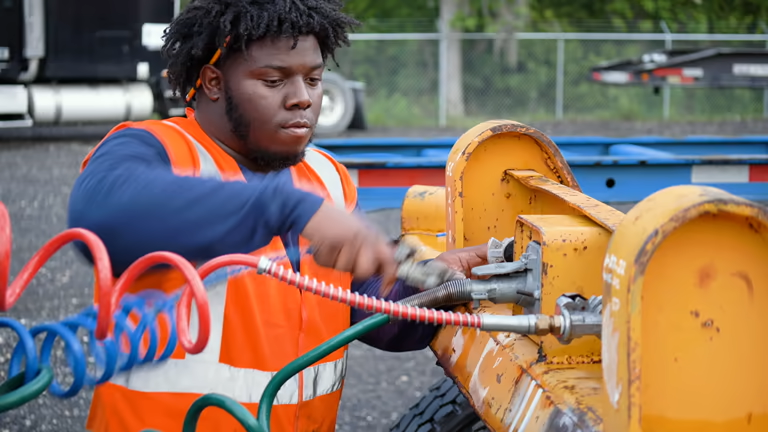
Factories and workshops depend on reinforced braid hoses in compressed air lines, hydraulic systems, and coolant circulation. Their ability to maintain shape and resist burst pressure supports stable operation of heavy machinery.
- Typical fluids: Compressed air, coolant, hydraulic oil
- Common materials: Rubber or polyurethane core with steel braid
- Benefits: Minimal downtime, consistent performance, easy routing
Marine and Aerospace
In boats, aircraft, and spacecraft, every component must be light, reliable, and capable of handling environmental extremes. Reinforced braid hoses meet these requirements with minimal bulk and maximum strength.
- Typical fluids: Fuel, oil, coolant, oxygen
- Common materials: Lightweight polymer with stainless braid
- Benefits: Flame resistance, vibration absorption, compact routing
Clearly, reinforced braid hoses are not limited to one industry. Their technical flexibility and strong physical performance allow them to serve a broad range of specialized needs.
5. Customization Options for Industry Requirements
Different industries require unique specifications. Manufacturers offer customization options that help tailor reinforced braid hoses to the specific needs of each application:
- Braid Material: Choose from stainless steel, nylon, polyester, or aramid depending on the abrasion, temperature, and flexibility requirements.
- Inner Tube Type: PTFE for chemical resistance, silicone for food safety, rubber for fuel, and EPDM for hot water.
- Size and Length: Diameters range from micro-scale for laboratory tubing to large hoses for irrigation or industrial pumps.
- Pressure Ratings: Hoses come with varying burst and working pressure ratings to meet the operational demands of high-pressure systems.
- End Fittings: Different fittings like camlocks, quick connects, flanges, or threaded couplings are available for easy integration.
With these options, industries can optimize hose performance for durability, safety, and compliance.
6. Maintenance and Best Practices
No matter the industry, regular maintenance ensures that reinforced braid hoses continue to perform safely and effectively:
- Inspect regularly for visible damage, cracks, or corrosion near fittings.
- Avoid over-bending the hose beyond its rated bend radius.
- Clean properly to avoid residue buildup or cross-contamination, especially in food and chemical lines.
- Replace hoses after the recommended service period or if they show signs of fatigue.
- Store in proper conditions to prevent UV or chemical degradation when not in use.
Following these steps can reduce downtime, extend service life, and improve system reliability.
7. Industry Trends and Innovations
As industries evolve, the demand for better hose performance continues to rise. Here are some trends driving innovation in reinforced braid hose technology:
- Eco-friendly materials: New polymers and braids reduce environmental impact without sacrificing strength.
- Smart monitoring: Some hoses now feature embedded sensors to monitor temperature and pressure in real time.
- Modular designs: Hoses that allow quick coupling or swapping improve flexibility in dynamic systems.
- Improved sterilization: Food and pharma hoses now withstand higher sterilization temperatures and cleaning cycles.
These advancements make reinforced braid hoses even more indispensable across industries.
8. Conclusion
Reinforced braid hoses play a central role in the smooth operation of countless industries. Their superior strength, flexibility, and resistance to pressure and chemicals make them ideal for critical applications in automotive systems, manufacturing lines, food processing plants, laboratories, and farms.
Understanding their key features and how they support different sectors helps you choose the right hose for your application. Whether you’re designing a new production line or upgrading plumbing infrastructure, investing in high-quality reinforced braid hoses will improve safety, efficiency, and longevity.
As technology advances and industries evolve, the versatility of reinforced braid hoses ensures they remain an essential part of modern fluid and gas transfer systems.
Contact
IFAN is a professional manufacturer with 30 years of experience, dedicated to producing high-quality plastic pipes, fittings, and valves. Our products include brass valves, PPR valves, as well as various pipes and fittings to meet different customer needs. Whether you need plumbing and drainage pipes or valve products. IFAN can provide a diverse range of high-quality, cost-effective products to support your projects. Below is our contact information.
We will reply your email or fax within 24 hours.
You can call us at any time if there is any question on our production.
Pls Mailto:[email protected]





Recent Comments