
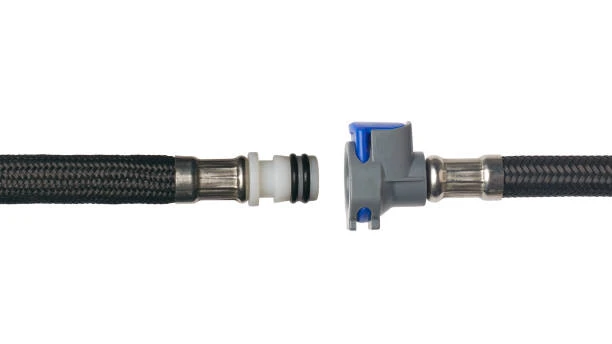
1. Summary of the Article
Reinforced braid hoses are widely recognized for their strength, flexibility, and resistance to pressure. These hoses are designed with an inner tube covered by a braided layer—usually made of stainless steel, polyester, or nylon—that provides structural support and durability. Thanks to this smart construction, they deliver outstanding performance in demanding environments such as plumbing systems, automotive assemblies, industrial equipment, and even food processing. This article explores the key features of reinforced braid hoses, explains their definition, and highlights the industries that rely on them. By the end, you’ll gain a solid understanding of what makes this type of hose essential for both commercial and residential applications.
2. Frequently Asked Questions (FAQ)
Q1: What makes reinforced braid hoses different from regular hoses?
Reinforced braid hoses include a woven or braided layer that enhances strength and resists pressure, making them more durable and reliable than standard hoses.
Q2: Are reinforced braid hoses suitable for high-temperature applications?
Yes, many reinforced braid hoses—especially those with silicone or PTFE cores—can handle extreme temperatures without melting, cracking, or degrading.
Q3: Can I use a reinforced braid hose for drinking water or food-grade fluids?
Absolutely. Food-grade versions of these hoses are made from FDA-compliant materials and are safe for transporting drinking water, milk, juice, and other consumables.
Q4: Do these hoses require special fittings or connectors?
Most reinforced braid hoses are compatible with standard hose fittings, but for optimal performance, using the right type of coupling recommended by the manufacturer is important.
Q5: How long do reinforced braid hoses typically last?
With proper installation and maintenance, a reinforced braid hose can last anywhere from 5 to 10 years, depending on the application and environment.
3. Basic Definition and Main Characteristics
A reinforced braid hose is a flexible tubing solution that incorporates a braided material over its core tube. This braid, made from materials like stainless steel, nylon, or polyester, strengthens the hose and helps it retain its shape under pressure.
Here are the main characteristics of reinforced braid hoses:
- Enhanced Pressure Resistance
The braided layer distributes internal pressure evenly across the hose, reducing the risk of bulging or bursting. This makes it ideal for high-pressure applications. - Superior Flexibility
Unlike rigid piping, these hoses can bend and twist around corners, which simplifies installation in tight or awkward spaces. - Abrasion Protection
The braid also acts as a shield against cuts, friction, and external damage, extending the life of the hose. - Thermal Stability
Depending on the core and braid material, many reinforced hoses can withstand wide temperature ranges, making them perfect for both hot and cold fluid transport. - Chemical Resistance
Hoses with inner cores made from PTFE, EPDM, or silicone can safely handle a variety of chemicals, oils, and gases. - Kink Resistance
Thanks to the braid’s structural support, the hose stays open and does not collapse even when bent sharply.
These features work together to create a durable, adaptable hose that performs well under pressure, both literally and figuratively.
4. Common Applications and Industry Use
Reinforced braid hoses are incredibly versatile. Their advanced design allows them to serve a wide variety of roles across multiple industries.
Plumbing and Water Systems
In residential plumbing, reinforced hoses are commonly used for connecting water supply lines to sinks, toilets, washing machines, and dishwashers. Their pressure-resistance ensures safe water flow even during surges.
Automotive and Machinery
Vehicles and heavy equipment rely on reinforced hoses for fuel lines, brake systems, coolant delivery, and turbocharger connections. The hoses’ heat resistance and flexibility make them ideal for the engine environment.
Food and Beverage
Food-grade reinforced hoses are used in dairies, breweries, and juice production facilities. Their smooth inner lining ensures clean transfer of liquids, while the braid prevents rupture during high-volume flows.
Chemical and Pharmaceutical Processing
In laboratories and industrial plants, reinforced hoses transport acids, solvents, and pharmaceutical fluids. The combination of chemical-resistant cores and protective braids allows for safe handling of aggressive substances.
Agriculture and Irrigation
Farmers and landscapers use reinforced hoses for irrigation systems, pesticide spraying, and fluid fertilization. Their rugged construction ensures long service life even under outdoor conditions.
Industrial Manufacturing
Factories utilize reinforced hoses in compressed air systems, hydraulic lines, and coolant delivery systems. These hoses help maintain operational efficiency and reduce downtime caused by leaks or hose failure.
As you can see, reinforced braid hoses are not limited to a single purpose. Their wide range of uses makes them a top choice in both industrial and everyday scenarios.
5. Top Features That Make Reinforced Braid Hose Stand Out
To better understand why reinforced braid hoses are trusted across so many fields, let’s examine the top features that set them apart:
- Multi-Layer Design
The combination of a smooth inner tube and a durable braided outer layer allows for both safe fluid transfer and external protection. - Customization Options
Manufacturers offer a range of inner tube materials, braid types, diameters, and lengths, allowing users to select the best fit for their specific application. - Ease of Handling
Despite their strength, these hoses are easy to cut, bend, and install, making them popular among contractors and DIY users alike. - Corrosion Resistance
Stainless steel braids resist rust and corrosion, making the hose suitable for outdoor and marine environments. - Visual Appeal
Some industries prefer braided hoses not only for function but also for aesthetics, especially in custom automotive builds where exposed hoses are part of the engine design.
These features contribute to the hose’s lasting performance and make it a reliable solution in even the harshest working conditions.
6. Choosing the Right Reinforced Braid Hose
Selecting the proper hose depends on several important criteria:
- Fluid Type
Is it water, oil, air, or a chemical? Choose a core material compatible with the medium being transported. - Operating Pressure
Always check the hose’s maximum working pressure to ensure it exceeds your system’s operating levels. - Temperature Range
Some hoses are rated for temperatures up to 200°C or more, while others are designed for cold environments. Always match the hose to your temperature requirements. - Hose Diameter
Larger diameters support higher flow rates, but make sure fittings match properly. - Environmental Exposure
If the hose will be exposed to sunlight, abrasion, or harsh weather, select a braid that can handle such conditions.
By evaluating these aspects, you can avoid costly mistakes and guarantee optimal hose performance.
7. Maintenance Tips and Best Practices
To ensure that your reinforced braid hose performs well throughout its service life, keep the following maintenance tips in mind:
- Inspect Regularly
Check for signs of wear, leaks, or fraying, especially near the fittings or bends. - Avoid Over-Bending
While these hoses are flexible, extreme bending can stress the braid and inner tube. - Clean Internally
Flush the hose when changing the fluid type or after long-term use to prevent contamination or buildup. - Replace When Necessary
Don’t wait for a hose to fail. Replace it at the first sign of fatigue or damage. - Store Correctly
Coil hoses loosely and keep them in a cool, dry place away from direct sunlight or chemicals.
Following these steps will help extend the life of your hose and improve overall system performance.
8. Conclusion
Reinforced braid hoses are more than just plumbing or industrial accessories—they are critical components that ensure safe, efficient, and uninterrupted fluid and gas transfer. With features like pressure resistance, flexibility, chemical tolerance, and long-lasting durability, they serve as the backbone of many systems across various industries.
By understanding the defining characteristics and applications of reinforced braid hoses, professionals and consumers alike can make informed decisions that lead to better performance and safety. Whether you’re upgrading a home water line, equipping a high-performance engine, or designing a chemical transport system, these hoses deliver unmatched reliability where it matters most.
In short, choosing the right reinforced braid hose—and maintaining it well—can lead to smoother operations, fewer breakdowns, and greater peace of mind.
Contact
IFAN is a professional manufacturer with 30 years of experience, dedicated to producing high-quality plastic pipes, fittings, and valves. Our products include brass valves, PPR valves, as well as various pipes and fittings to meet different customer needs. Whether you need plumbing and drainage pipes or valve products. IFAN can provide a diverse range of high-quality, cost-effective products to support your projects. Below is our contact information.
We will reply your email or fax within 24 hours.
You can call us at any time if there is any question on our production.
Pls Mailto:[email protected]





Recent Comments