
1. Summary of the Article
The reinforced braid hose is a high-performance solution used in countless industries, valued for its strength, durability, and flexible structure. But beyond its technical capabilities, the hose’s appearance plays a vital role in its function, handling, and identification. From the braided layer’s pattern to color-coded inner tubing, each visual element serves a practical purpose. This article offers a clear breakdown of the typical appearance of reinforced braid hoses, their design features, and how industries use these cues to select and install the right product. We’ll also cover frequently asked questions, explore key characteristics, and look into various industrial applications that rely on these visually distinctive hoses.
2. Frequently Asked Questions (FAQ)
Q1: What does a reinforced braid hose look like?
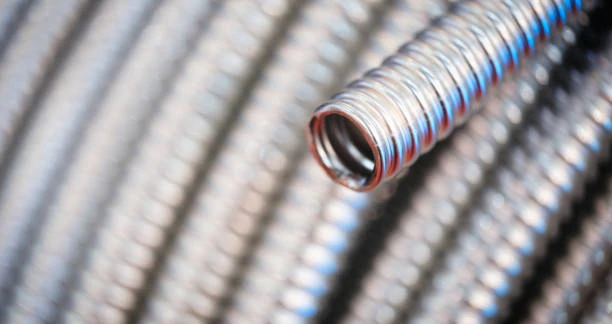
A reinforced braid hose usually features a visible braided mesh over a flexible inner tube. The braid can be metallic, white, transparent, or colored, depending on the material used and its purpose.
Q2: Why does the hose have a braided exterior?
The braided layer provides reinforcement, preventing expansion under pressure while also protecting the hose from cuts, abrasions, and heat.
Q3: Are there visual indicators to identify the hose type or use?
Yes. Manufacturers often use color coding, printed markings, or clear tubing to indicate temperature range, pressure capacity, and compatibility.
Q4: Is the appearance purely functional, or does it serve aesthetic purposes too?
While the primary goal is functionality, industries such as automotive and aerospace also value the clean, professional look of braided hoses for visible installations.
Q5: Can I customize the appearance of a reinforced braid hose?
Absolutely. Depending on the supplier, you can choose specific colors, finishes, braiding materials, and labeling for easy identification or branding.
3. Basic Definition and Characteristics of Reinforced Braid Hose
A reinforced braid hose is a flexible conduit built with multiple layers, most notably an inner tube and a braided outer layer. This design allows the hose to handle significant internal pressure, maintain its shape under stress, and resist external wear.
The main characteristics related to its appearance include:
- Braided Outer Layer
The defining feature is a braided mesh wrapped tightly around the hose. This braid can be made from stainless steel, polyester, nylon, or even aramid fibers. The braiding is often woven in a crisscross pattern that gives the hose a textured, net-like look. - Inner Tube Visibility
In transparent or semi-transparent hoses, you can see the inner tubing beneath the braid. This helps in monitoring fluid flow or identifying blockages. - Color Coding and Markings
Many hoses have colored stripes or printed information along their length to indicate their specifications. For example, blue might indicate cold water, red for hot water, and green for food-safe or chemical use. - Texture and Flexibility
Despite its woven appearance, the hose remains smooth to the touch and is easy to handle. The surface may feel slightly rough if the braid is exposed, but it generally bends without kinking. - Shiny or Matte Finish
Depending on the braid material, the hose may have a glossy metallic shine or a subdued matte look. Stainless steel braids often appear silvery and reflective, while nylon or polyester braids look more muted.
The hose’s overall look not only reveals important functional details but also contributes to safe and efficient system design.
4. Common Uses and Industries Based on Appearance Features
The reinforced braid hose’s physical design offers clear visual clues about its intended application. Various industries depend on these hoses and choose them based in part on how they appear and perform.
Residential and Commercial Plumbing
In home plumbing, reinforced braid hoses are commonly used to connect water supplies to sinks, toilets, and appliances. These hoses often feature a stainless steel braided cover with a smooth, polished appearance. Plumbers rely on their visible strength and compact shape to complete fast, reliable installations.
- Appearance: Shiny metal braid, usually with brass or chrome fittings
- Purpose: High water pressure resistance, aesthetic fit for visible locations
Automotive and Motorsport
In custom vehicles and racecars, reinforced braid hoses are often on display. Engine compartments use them for fuel, coolant, and oil transfer because they handle vibration and heat well. Additionally, their sleek metallic braid adds a high-performance look that enthusiasts appreciate.
- Appearance: Stainless steel or black braided nylon with colored end fittings
- Purpose: Performance, heat shielding, aesthetic enhancement
Food and Beverage Industry
Food-grade hoses are typically clear or translucent with a white or colored braid inside. This allows for easy inspection and ensures that the material is clean and safe for food contact.
- Appearance: Smooth outer wall, visible inner fluid path, food-safe markings
- Purpose: Clean transfer of consumables, visual fluid monitoring
Chemical and Laboratory Use
In laboratories and chemical processing environments, reinforced hoses are color-coded to indicate chemical compatibility and safety. These hoses may use brightly colored braids or printed warnings for easy identification.
- Appearance: Colored outer layer or internal stripe, chemical resistance markings
- Purpose: Quick identification, safe chemical transfer
Industrial Manufacturing
Factories and industrial plants require hoses that are rugged and easy to identify among complex piping systems. Reinforced braid hoses used here often have printed specifications directly on the hose or use colored sleeves.
- Appearance: Braided or rubber-coated, labeled with pressure and temperature ratings
- Purpose: System integration, rapid maintenance, durability
In every sector, the outer appearance of the hose provides both practical and safety information that helps users select the right equipment quickly.
5. Functional Design Elements That Impact Appearance
The way a reinforced braid hose looks is not accidental—it results from carefully engineered design choices that balance strength, usability, and identification.
Let’s explore the functional design details that shape its appearance:
- Braid Tightness
Tightly woven braids offer higher pressure resistance and a smoother surface, while looser braids allow for more flexibility but may expose the inner tube. - Layer Transparency
Some hoses feature see-through outer coatings that reveal the braid and inner tube, which is helpful for monitoring purposes. - End Fittings and Ferrules
Hoses often come with attached end fittings—these can be brass, stainless steel, or plastic. Their appearance adds to the professional look and ease of installation. - Marking and Branding
Manufacturers may print logos, pressure ratings, temperature limits, or chemical compatibility codes directly on the hose’s surface, providing quick reference during use. - Protective Coating
Some reinforced hoses are coated with a smooth outer jacket, which hides the braid but improves abrasion resistance and makes cleaning easier.
These design elements serve a dual role—they make the hose look a certain way, but more importantly, they enhance safety, usability, and lifespan.
6. Advantages of a Well-Designed Hose Appearance
Although technical performance is a top priority, the appearance of a reinforced braid hose contributes significantly to its value. Here are some benefits of a thoughtfully designed exterior:
- Quick Identification
Color coding and printed labels reduce confusion and speed up maintenance or replacement tasks. - Improved Safety
Visual cues such as wear indicators or damage to the braid help technicians identify failing hoses before leaks or bursts occur. - Professional Presentation
In settings like commercial kitchens, laboratories, or high-end automotive builds, clean-looking hoses add to the overall aesthetic and credibility of the installation. - Ease of Inspection
Transparent layers or visible braids allow for fluid monitoring and visual detection of blockages or wear. - Enhanced Brand Recognition
For manufacturers, branding a hose with a clear logo and specs can improve product trust and repeat business.
The way a hose looks truly adds value—both visually and functionally—in industrial and consumer environments alike.
7. Maintenance Tips Related to Hose Appearance
Maintaining the visual integrity of a reinforced braid hose also helps maintain its performance. Here are some tips to keep your hoses looking and working like new:
- Clean regularly with appropriate detergents to prevent buildup of grease, chemicals, or dirt.
- Inspect for fraying or damaged braid strands, especially near bends or fittings.
- Avoid contact with sharp surfaces or objects that could cut the outer braid.
- Check for discoloration or chemical burns, which may indicate incompatibility or overheating.
- Replace hoses that show signs of deformation, excessive wear, or surface cracking.
A well-maintained hose remains visually clear, making it easier to spot early signs of trouble.
8. Conclusion
Reinforced braid hoses are not only defined by their strength and reliability but also by their thoughtfully designed appearance. From the braided mesh exterior to the printed safety markings, every visual detail contributes to the hose’s function, identification, and industry compliance.
Understanding how the appearance of these hoses relates to performance and use can help professionals make better choices. Whether you’re working in plumbing, automotive, food production, or chemical processing, selecting a hose with the right look—and the right specs—can lead to smoother operations and enhanced safety.
Ultimately, the visual structure of a reinforced braid hose is more than just skin deep—it’s a vital part of its identity, durability, and effectiveness across a range of industries.
Contact
IFAN is a professional manufacturer with 30 years of experience, dedicated to producing high-quality plastic pipes, fittings, and valves. Our products include brass valves, PPR valves, as well as various pipes and fittings to meet different customer needs. Whether you need plumbing and drainage pipes or valve products. IFAN can provide a diverse range of high-quality, cost-effective products to support your projects. Below is our contact information.
We will reply your email or fax within 24 hours.
You can call us at any time if there is any question on our production.
Pls Mailto:[email protected]

Recent Comments