
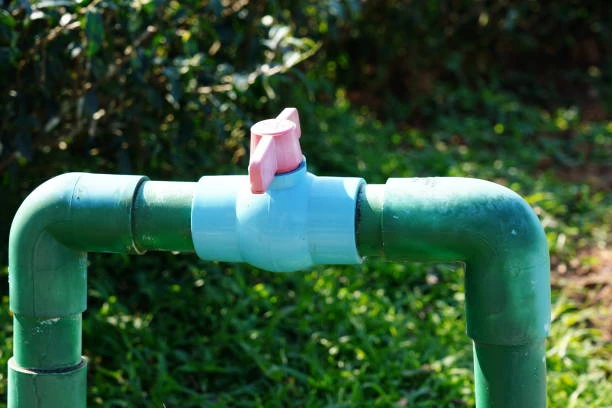
When it comes to controlling fluid flow in pipelines, choosing the right valve is crucial. The PVC butterfly valve offers an excellent combination of being lightweight, durable, and corrosion-resistant. This article will explain what a PVC butterfly valve is, why it’s widely used, and where you should consider using one for your project.
What Is a PVC Butterfly Valve?
A PVC butterfly valve is a type of valve that regulates flow using a rotating disc inside a pipe. The term “butterfly” comes from the shape of the disc, which looks like a butterfly’s wings when it rotates.
This valve uses polyvinyl chloride (PVC) for its body and internal parts, which makes it lighter than metal valves and resistant to many chemicals.
Why Choose PVC Material?
PVC has become a popular material for valves and pipes due to several advantages:
- Lightweight: PVC weighs much less than metal, making installation easier and reducing structural load.
- Corrosion-Resistant: PVC does not rust or corrode when exposed to water, acids, or many chemicals.
- Cost-Effective: PVC valves usually cost less than metal valves, making them budget-friendly.
- Low Maintenance: The material resists buildup and scaling, requiring less cleaning and fewer repairs.
- Durable: Despite being lightweight, PVC provides strong mechanical resistance suitable for many applications.
Because of these reasons, PVC butterfly valves suit many industries including water treatment, agriculture, chemical processing, and more.
How Does a PVC Butterfly Valve Work?
The operation of a PVC butterfly valve is straightforward:
- The valve’s disc rotates 90 degrees inside the valve body.
- When the disc is parallel to the flow, the valve is open and fluid passes through.
- When the disc rotates perpendicular to the flow, it blocks the pipeline and stops fluid flow.
This quick quarter-turn operation allows for fast opening and closing of the valve. You can also control the valve partially to regulate the flow.
Key Features of PVC Butterfly Valves
Let’s look closer at the most important features:
1. Lightweight Construction
Thanks to PVC, these valves are much lighter than metal valves of the same size. This makes them easier to handle during installation and reduces stress on pipe supports.
2. Corrosion Resistance
PVC’s chemical structure makes it immune to rust and many forms of corrosion. This helps PVC valves last longer, especially in harsh environments with acids, salts, or chlorine.
3. Durability
Although PVC is a plastic, it is tough and can withstand normal pressure and temperature conditions found in most water and chemical systems.
4. Easy Installation
The lightweight nature and simple design mean PVC butterfly valves can be installed quickly with fewer tools.
5. Low Maintenance
The smooth PVC surface prevents deposits, making the valves easy to clean and maintain.
Common Applications of PVC Butterfly Valves
PVC butterfly valves are versatile and suitable for many uses, such as:
Water Treatment and Supply
- They control water flow in irrigation systems, water treatment plants, and municipal supply lines.
- Their corrosion resistance makes them perfect for chlorinated water and wastewater.
Agriculture
- Farmers use PVC butterfly valves to manage irrigation systems efficiently.
- They help regulate water distribution while resisting chemicals found in fertilizers.
Chemical Processing
- PVC valves resist many acids and alkalis, allowing their use in chemical manufacturing and storage.
- They safely handle corrosive fluids without damage.
Aquariums and Fish Farming
- These valves help maintain water circulation and quality in aquaculture setups.
- Their non-corrosive nature protects aquatic environments.
HVAC Systems
- In heating, ventilation, and air conditioning, PVC butterfly valves help regulate fluid flow in chilled water systems.
Advantages Compared to Metal Valves
Why would you choose PVC over metal valves? Here are some clear reasons:
| Feature | PVC Butterfly Valve | Metal Butterfly Valve |
|---|---|---|
| Weight | Lightweight | Heavy |
| Corrosion Resistance | Excellent in most chemicals | Susceptible to rust and corrosion |
| Cost | More affordable | Generally more expensive |
| Installation | Easier and faster | Requires more effort and tools |
| Maintenance | Low | Higher due to corrosion risks |
| Temperature Tolerance | Moderate (up to ~60°C) | Higher (depends on metal type) |
For most water, chemical, and low-temperature applications, PVC valves provide a great balance of durability, cost, and performance.
How to Select the Right PVC Butterfly Valve?
To ensure you get the best valve for your needs, consider these factors:
1. Size
Choose a valve size that matches your pipe diameter. PVC valves come in a variety of nominal sizes, often from 1/2 inch up to 12 inches or more.
2. Pressure Rating
Check the valve’s pressure rating (usually expressed in PSI or bar). Make sure it can handle your system’s maximum pressure safely.
3. Type of Operation
Decide between manual operation (lever handle) or automated operation (electric or pneumatic actuator) depending on how frequently and precisely you need to control flow.
4. Chemical Compatibility
Make sure the PVC material and valve seat are compatible with the fluids you will control.
5. Temperature Range
PVC valves typically operate best below 60°C (140°F). For higher temperatures, consider other materials.
Installation and Maintenance Tips
To maximize valve lifespan:
- Install Correctly: Align valves properly to avoid stress.
- Avoid Excessive Force: Do not overtighten bolts or handles.
- Operate Regularly: Prevent valve sticking by regular opening/closing.
- Inspect for Damage: Check seats and seals periodically.
- Clean as Needed: Remove any buildup or deposits.
With these tips, your PVC butterfly valve will provide years of trouble-free service.
Conclusion: A Practical and Efficient Choice
The PVC butterfly valve combines lightweight design, chemical resistance, and durability to offer an efficient valve solution for many systems. Whether for irrigation, water treatment, or chemical flow control, this valve type is cost-effective and reliable.
Its ease of installation and low maintenance further make it a favorite choice for professionals and DIY enthusiasts alike.
If you want a valve that balances performance and budget without sacrificing quality, the PVC butterfly valve is worth serious consideration.
IFAN Product International Standard
IFAN designs its piping and valve products to meet a wide range of international standards, ensuring global compatibility and trusted performance. The company strictly follows ISO 15875 and BS EN ISO 15875, which define the requirements for PEX pipes used in hot and cold water systems. IFAN also complies with GB/T 18992, the Chinese national standard, and DIN 16892, the German specification for plastic piping systems, to guarantee regional quality and reliability.
To meet North American requirements, IFAN products are certified under ASTM F877 and ASTM F2788, ensuring safe use in hot and cold water distribution. In the UK, IFAN adheres to the BS 7291 standard, which applies to polybutylene and polyethylene systems in residential and commercial buildings. Additionally, CSA B137 certification confirms IFAN’s compliance with Canadian plumbing standards.
By meeting these rigorous international benchmarks, IFAN delivers high-quality, dependable solutions trusted by professionals worldwide. This comprehensive compliance enhances product safety, boosts customer confidence, and supports IFAN’s strong presence in the global market.
Contact
IFAN is a professional manufacturer with 30 years of experience, dedicated to producing high-quality plastic pipes, fittings, and valves. Our products include brass valves, PPR valves, as well as various pipes and fittings to meet different customer needs. Whether you need plumbing and drainage pipes or valve products. IFAN can provide a diverse range of high-quality, cost-effective products to support your projects. Below is our contact information.
We will reply your email or fax within 24 hours.
You can call us at any time if there is any question on our production.
Pls Mailto:[email protected]







Recent Comments